
Hurricane Roof Preparation: Complete 2026 Guide to Storm-Resistant Roofing for Myrtle Beach

Before the Next Storm
Updated October 6, 2026: the wind ratings, hurricane strap, FORTIFIED and insurance details were re-checked against the public sources listed at the end of this guide.
Living on the South Carolina coast means hurricane preparation isn't optional—it's essential. With the Atlantic hurricane season running from June 1 through November 30, your roof is your home's first line of defense against storm damage.
Florence (2018) and Isaias (2020) came ashore on the southeastern North Carolina coast, and Ian (2022) came ashore near Georgetown. What separates roofs that hold in storms like these from roofs that fail comes down to three factors: proper materials, professional installation, and proactive preparation.
This comprehensive guide covers everything Myrtle Beach homeowners need to know about hurricane roof preparation: the best roofing materials for hurricane zones, pre-storm inspection checklists, understanding wind ratings, strengthening vulnerable areas, and what to do before, during, and after a hurricane.
Whether you're preparing for your first hurricane season or want to ensure your roof can withstand the next major storm, this guide provides actionable steps to protect your most valuable investment.
Ready to Protect Your Investment?
Schedule your free roof inspection today. No obligations, just peace of mind.
Understanding Myrtle Beach Hurricane Risk: Why Roof Preparation Matters
Before diving into preparation strategies, it's crucial to understand the specific hurricane threats facing Myrtle Beach. Our location on the South Carolina coast places us in one of the most hurricane-prone regions in the United States.
Myrtle Beach Hurricane History
Hurricanes keep coming ashore close to the Grand Strand. A few that did, from National Hurricane Center and National Weather Service records:
Storms That Came Ashore Near Horry County:
-
1954:
Hurricane Hazel - Came ashore as a Category 4 near the North Carolina line on October 15. Myrtle Beach reported a 106 mph gust (National Weather Service).
-
2018:
Hurricane Florence - Made landfall on the southeastern North Carolina coast near the upper end of Category 1 and caused devastating freshwater flooding across much of the southeastern United States (National Hurricane Center).
-
2020:
Hurricane Isaias - Made landfall near Ocean Isle Beach, North Carolina, just up the coast from North Myrtle Beach (National Hurricane Center).
-
2022:
Hurricane Ian - Made landfall near Georgetown on September 30 with maximum sustained winds of 85 mph (National Hurricane Center).
Why Roofs Fail During Hurricanes
Understanding how hurricanes damage roofs helps you prepare more effectively. Roof failures during hurricanes typically occur through these mechanisms:
-
1.
Wind Uplift: High winds create negative pressure above the roof, literally trying to "suck" the roof off your home. Improperly secured roofing materials lift and peel away.
-
2.
Edge Failures: Roof edges (eaves and rakes) are most vulnerable. Once wind gets under the edge, it can progressively peel back the entire roof covering.
-
3.
Flying Debris: Trees, branches, patio furniture, and building materials become projectiles. Impact damage allows water intrusion.
-
4.
Structural Separation: Without proper hurricane straps, the entire roof structure can separate from the walls, leading to catastrophic failure.
-
5.
Wind-Driven Rain: Even minor gaps allow water intrusion under hurricane conditions. Horizontal rain can penetrate through vents, penetrations, and damaged areas.
What the Research Says:
FEMA's wind retrofit guide calls the roof-to-wall connection a primary point of failure in past hurricanes. And once the roof covering is gone, IBHS testing shows that every inch of rain that hits an exposed roof deck can let in the equivalent of nine bathtubs of water.
Best Roofing Materials for Hurricane Zones: Complete Comparison
Choosing the right roofing material is the foundation of hurricane preparedness. Not all roofing materials perform equally in high winds. Here's a comprehensive comparison based on wind resistance, impact resistance, and coastal durability.
Standing Seam Metal Roofing: Best Overall Hurricane Protection
Standing Seam Metal Roofing Specifications:
-
Wind Rating:
System-specific - Depends on the tested panel, clip and fastener schedule. Ask for the uplift test listing for the exact system being quoted.
-
Impact Resistance:
Varies by panel - Many panels carry a UL 2218 Class 4 impact rating. Confirm the rating for the exact panel and gauge.
-
Coastal Performance:
Ask about salt air - Aluminum and coated steel are both sold for coastal roofs. Ask whether the finish warranty has a distance-from-saltwater limit and what fasteners will be used.
Why Standing Seam Excels: Unlike exposed fastener metal panels, standing seam panels interlock without exposed fasteners. This hidden fastener system eliminates the primary failure point in metal roofing—fastener pullout and water intrusion at screw holes.
Impact-Resistant Asphalt Shingles: Best Balance of Protection and Value
Class 4 Impact-Resistant Shingle Specifications:
-
Wind Rating:
Check the class and the warranty - FEMA recommends shingles rated under ASTM D7158 / UL 2390 at Class D (90 mph), G (120 mph) or H (150 mph), at or above the basic wind speed in the building code. GAF's shingle warranties, for example, cover wind up to 130 mph with its special installation, and with no maximum wind speed on LayerLock shingles under its WindProven warranty.
-
Impact Resistance:
Class 4 (UL 2218) - SBS polymer modification provides rubber-like flexibility that absorbs impacts.
-
Coastal Performance:
Algae resistance matters - Algae-resistant lines carry their own algae warranties; GAF's run 25 years on StainGuard Plus and 30 years on StainGuard Plus PRO-labeled shingles.
Examples: SBS-modified lines include GAF Timberline AS II, Owens Corning Duration FLEX and CertainTeed Landmark IR. Whatever the brand, ask for the wind class, the impact class and the manufacturer's high-wind nailing pattern in writing. Comparing GAF warranties? See our GAF System Plus vs Silver Pledge vs Golden Pledge guide.
Concrete and Clay Tile: Excellent Weight-Based Protection
Concrete/Clay Tile Specifications:
-
Wind Rating:
Attachment-specific - Tile wind resistance depends on how each tile is fastened or adhered. FEMA's coastal construction guide has a separate fact sheet on tile attachment in high-wind areas.
-
Impact Resistance:
Moderate to High - Concrete tiles are very durable; clay tiles can crack under heavy debris impact.
-
Coastal Performance:
Tile does not rust - The fasteners and flashings underneath still need to suit salt air.
-
Considerations:
Tile is much heavier than shingles. Have the roof framing checked before switching to tile.
What to Ask For, by Material
| Material | Wind performance depends on | Ask the roofer for |
|---|---|---|
| Standing Seam Metal | The tested panel system, clips and fastener spacing | The system's uplift test listing and the finish warranty's coastal terms |
| Architectural or Impact-Resistant Shingles | The shingle's wind class and the nailing pattern | ASTM D7158 / UL 2390 class, the manufacturer's high-wind installation and the warranty's wind limit |
| Concrete or Clay Tile | How each tile is fastened or adhered | The attachment method and a check of the roof framing |
| 3-Tab Shingles | A light, single-layer shingle | A replacement plan with a high-wind-rated system |
Warning About 3-Tab Shingles:
GAF's own 3-tab shingle carries wind coverage only up to 60 mph, below the 74 mph sustained winds where a Category 1 hurricane starts. If your home still has 3-tab shingles (flat, single-layer appearance), plan their replacement with a high-wind-rated roof system.
Understanding Wind Ratings: What the Numbers Mean for Your Roof
Roofing manufacturers advertise wind ratings, but what do these numbers actually mean? Understanding wind ratings helps you choose appropriate materials and assess your current roof's hurricane readiness.
How Wind Ratings Are Tested
Wind ratings for roofing materials come from standardized testing protocols:
Key Testing Standards:
-
ASTM D3161:
Fan-Driven Wind Test - Blows air across shingles at set fan speeds. FEMA says data from this test and UL 997 does not provide adequate information about how shingles actually perform in wind.
-
ASTM D7158:
Sealed Shingle Wind Resistance (also UL 2390) - Rates shingles Class D (90 mph), G (120 mph) or H (150 mph). FEMA recommends choosing a class at or above the basic wind speed in the building code.
-
UL 580:
Uplift Resistance of Roof Assemblies - Tests entire roof system (not just shingles) against simulated wind uplift pressure.
-
FM 4470/4474:
Factory Mutual Testing - Rigorous testing for commercial/industrial roofing including wind, impact, fire, and weathering.
Hurricane Categories and Roof Damage
The National Hurricane Center's Saffir-Simpson scale rates hurricanes by maximum sustained wind speed and describes the roof damage to expect at each level:
| Hurricane Category | Sustained Winds | Roof Damage Described by the NHC |
|---|---|---|
| Category 1 | 74-95 mph | Well-constructed frame homes could have damage to roof, shingles, vinyl siding and gutters |
| Category 2 | 96-110 mph | Well-constructed frame homes could sustain major roof and siding damage |
| Category 3 | 111-129 mph | Well-built framed homes may incur major damage or removal of roof decking and gable ends |
| Category 4 | 130-156 mph | Severe damage with loss of most of the roof structure and/or some exterior walls |
| Category 5 | 157 mph or higher | A high percentage of framed homes destroyed, with total roof failure and wall collapse |
Design Wind Speed Is a Different Number
Hurricane categories use sustained winds. Building codes design roofs for a mapped design wind speed based on a 3-second peak gust, according to FEMA's coastal construction guide. South Carolina's approved wind map for Horry County runs from 140 mph inland to 150 mph just off the beaches. Ask your roofer what design wind speed the new roof is being built for.
Why Installation Matters More Than Ratings
A roof's labeled wind rating is only achieved with proper installation. Common installation failures that reduce effective wind resistance:
Installation Errors That Compromise Wind Ratings:
-
1.
Incorrect Nail Placement: Nails placed too high miss the manufacturer's nailing zone and hold far less.
-
2.
Wrong Nail Count: Use the manufacturer's high-wind pattern. GAF, for example, requires 6 nails per shingle for its 130 mph wind coverage on most shingles, and 4 nails on its LayerLock-labeled shingles.
-
3.
Overdriven Nails: Pneumatic nailers set too high drive nails through the mat, providing zero holding power.
-
4.
Missing Starter Strip: Without proper starter strip, the first row of shingles can peel off, starting a progressive failure.
-
5.
Unsealed Tabs: Shingles that haven't fully sealed (due to cold installation or manufacturing defects) can lift and blow off.
This is why the installer matters as much as the product. Ask how the crew will meet the manufacturer's high-wind instructions, and get it in writing.
Hurricane Straps and Roof-to-Wall Connections: Your Hidden Defense
Even the best roofing materials fail if the entire roof structure separates from your walls. Hurricane straps (also called hurricane clips or tie-downs) are metal connectors that anchor your roof framing to the wall structure, creating a continuous load path from foundation to roof.
For a step-by-step attic check and what South Carolina's building code, the SC Safe Home grant and state insurance law say about connectors, see our guide to hurricane straps on Grand Strand homes.
What Are Hurricane Straps?
Hurricane straps are galvanized steel connectors installed where roof rafters or trusses meet the top plate of exterior walls. They prevent the roof from lifting off during high winds by transferring uplift forces into the wall framing and ultimately to the foundation.
Types of Hurricane Connectors:
-
Straps:
Long, flat bands of galvanized steel that run along the side of a rafter or truss and down the face of the wall framing.
-
Clips and Ties:
Short bent brackets nailed into both the rafter or truss and the top of the wall, right at the joint.
-
Right-Angle Brackets:
L-shaped connectors that South Carolina's retrofit method accepts as an alternative to straps and ties.
Checking Your Home for Hurricane Straps
You can check for hurricane straps yourself by accessing your attic:
DIY Attic Inspection:
-
1.
Access your attic with a flashlight.
-
2.
Look where the roof rafters or trusses meet the exterior walls.
-
3.
Check for metal straps or clips connecting the wood members.
-
4.
Count visible connectors and note any missing connections.
-
5.
Look for rust, loose nails, or damaged connectors.
When Hurricane Straps Are Required
South Carolina has enforced the 2021 International Residential Code since January 1, 2023. For a new home, it requires a continuous load path from roof to foundation and allows rafters and trusses to be toe-nailed only where the uplift on each is 200 pounds or less (Section R802.11). None of this reaches back into a house that is already built, and a home's age alone does not tell you what is in its attic. Looking does.
Retrofitting Hurricane Straps
If your home lacks hurricane straps, retrofit installation is possible and highly recommended. The process typically involves:
-
1.
Attic access and inspection by licensed contractor
-
2.
Selection of appropriate connector type based on framing
-
3.
Connectors at the corners and gable ends first, following South Carolina's standard retrofit method, or an engineered design for the whole house
-
4.
Photos of every connection for your insurer and, on an SC Safe Home job, the program's packet
Insurance, Grants and FORTIFIED:
-
Insurance:
South Carolina law requires wind and hail rating plans in the coastal and seacoast areas, which take in all of Horry and Georgetown counties, to include credits or surcharges for the use of roof tie downs (S.C. Code § 38-73-1095). Your insurer sets the amount, so ask your agent what proof they accept.
-
SC Safe Home:
The state grant requires roof-to-wall connectors on every program roof replacement, unless permit dates show the house already meets the 2015 South Carolina code's load path. As of October 6, 2026, the program is not accepting applications.
-
FORTIFIED:
A FORTIFIED Roof does not require roof-to-wall connectors. IBHS lists engineered roof-to-wall connections under FORTIFIED Gold, and the SC Department of Insurance says its Safe Home roof standard matches FORTIFIED ROOF except that Safe Home requires roof-to-wall connectors.
Pre-Hurricane Roof Inspection Checklist: What to Check Before Storm Season
A thorough pre-hurricane inspection gives you time to address vulnerabilities before a storm threatens. Here's a comprehensive checklist covering every area of concern.
When to Conduct Pre-Hurricane Inspections
For Myrtle Beach homeowners, we recommend these inspection timing guidelines:
Recommended Inspection Schedule:
-
May 1st:
Annual Pre-Season Inspection - Complete professional inspection before June 1st (hurricane season start). Allows time for repairs.
-
72 Hours Before Storm:
Storm Preparation Check - Quick visual inspection and securing loose items when a storm enters the forecast.
-
After Each Storm:
Post-Storm Assessment - Document any damage immediately for insurance purposes.
-
December 1st:
Post-Season Review - Assess cumulative season damage after hurricane season ends November 30th.
Complete Pre-Hurricane Inspection Checklist
Use this comprehensive checklist to assess your roof's hurricane readiness. Items marked with (*) require professional inspection for accurate assessment.
Exterior Roof Inspection:
-
[ ]
Shingles lying flat with no curling, cupping, or lifting
-
[ ]
No missing, cracked, or damaged shingles
-
[ ]
All shingle tabs sealed down properly
-
[ ]
Adequate granule coverage (no bare spots or excessive granule loss)
-
[ ]
Ridge cap shingles secure and intact
-
[ ]
Hip shingles secure and properly overlapped
-
[ ]
Starter strip visible and intact at eaves and rakes
-
[ ]
Metal drip edge secure at all roof edges*
-
[ ]
No exposed nails or nail pops
Flashing and Penetrations:
-
[ ]
All pipe boots/vent flashings sealed and flexible
-
[ ]
Chimney flashing secure with no gaps or rust
-
[ ]
Wall flashing (step and counter) intact
-
[ ]
Skylight flashing sealed with no cracks
-
[ ]
Valley flashing secure and debris-free
-
[ ]
All caulk/sealant flexible and intact (not dried/cracked)
Gutters and Drainage:
-
[ ]
Gutters securely attached with no loose sections
-
[ ]
Gutters clean and free of debris
-
[ ]
Downspouts secure and directing water away from foundation
-
[ ]
Gutter screens/guards secure (if installed)
Soffit and Fascia:
-
[ ]
All soffit panels secure with no loose sections
-
[ ]
No holes, cracks, or gaps in soffit
-
[ ]
Fascia boards intact with no rot or damage
-
[ ]
All vent screens in place and undamaged
Attic Inspection:
-
[ ]
No signs of previous leaks (water stains on wood or insulation)
-
[ ]
No daylight visible through roof deck
-
[ ]
Hurricane straps present and properly installed*
-
[ ]
Adequate ventilation (soffit vents and ridge/roof vents clear)
-
[ ]
No mold or moisture issues
-
[ ]
Insulation dry and properly distributed
Professional Inspection Recommended For:
- • Roofs over 10 years old
- • Any roof that has experienced previous storm damage
- • Homes purchased within the last year (baseline assessment)
- • Roofs with complex geometry (multiple valleys, dormers, etc.)
- • Flat or low-slope roofing systems
- • Before filing wind mitigation for insurance discounts
Most Vulnerable Roof Areas During Hurricanes: Where Damage Starts
Hurricane damage follows predictable patterns. Understanding where roofs typically fail helps you prioritize inspection and reinforcement efforts. These vulnerable areas deserve extra attention.
1. Roof Edges (Eaves and Rakes)
Why Edges Fail:
IBHS notes that roof damage often begins when wind gets underneath the roof edge and begins ripping it away from the home. Once wind gets under the edge, progressive peeling occurs.
Prevention:
- • Ensure proper metal drip edge installation at all eaves and rakes
- • Starter strip must extend slightly over edge for wind seal
- • Shingles nailed to the manufacturer's high-wind pattern, with starter strip at the eaves and rakes
- • Check for lifted or unsealed edge shingles before storms
2. Ridge and Hip Lines
Ridge caps sit at the highest point of your roof, exposed to full wind force from any direction. Hip lines are similarly exposed. Ridge and hip caps are often the first shingles blown off, creating a breach in the roof envelope.
Ridge/Hip Protection:
-
1.
Use manufacturer-matched ridge cap shingles (not cut 3-tab)
-
2.
Proper nail placement in designated zone
-
3.
Apply roofing cement to seal high-wind areas
-
4.
Consider high-profile ridge caps for better aesthetics and protection
3. Roof Penetrations
Every hole in your roof—pipes, vents, chimneys, skylights—is a potential water entry point during a hurricane. Wind-driven rain can force water through gaps that would never leak under normal conditions.
Common Penetration Failures:
-
Pipe Boots:
Rubber collars deteriorate in UV/salt air. Cracked boots allow water entry. Replace every 10-15 years or when cracking appears.
-
Exhaust Vents:
Plastic or aluminum vent covers can blow off in high winds. Consider hurricane-rated vents with secondary water barriers.
-
Skylights:
Older skylights have single-pane glass and aging seals. Impact-resistant skylights or temporary covers recommended.
-
Chimneys:
Metal counter flashing can lift, and mortar cap cracks allow water entry. Inspect and seal before hurricane season.
4. Soffit and Fascia
Soffit panels are extremely vulnerable to wind pressure changes. Once soffit fails, wind and wind-driven rain can get into the attic.
Critical Warning:
IBHS testing shows that wind can drive rain almost sideways and up under roof overhangs, and that soffits hung with inadequate support are easily blown out, giving wind-driven rain easy access to your home.
5. Valleys
Roof valleys concentrate water flow and are common leak points. During hurricanes, debris accumulates in valleys and can dam water or puncture roofing materials. Valley flashing must be secure and properly integrated with surrounding shingles.
6. Wall-to-Roof Intersections
Where roofs meet vertical walls (dormers, second stories, additions), step flashing and kickout flashing prevent water intrusion. Failed flashing at these locations causes extensive hidden water damage.
Emergency Roof Tarping: How to Protect Your Home After Storm Damage
When your roof is damaged during a hurricane, rapid temporary protection prevents catastrophic secondary water damage. If you need immediate help, contact our 24/7 emergency roof repair team. Understanding emergency tarping—whether you do it yourself or hire professionals—helps protect your home and insurance claim.
When Emergency Tarping Is Needed
Install emergency tarping immediately if you observe:
Tarp Immediately If:
- • Missing shingles exposing underlayment or deck
- • Visible holes or punctures in roof surface
- • Missing ridge cap sections
- • Tree or debris impact damage
- • Active water leaking into living space
- • Flashing torn away from roof penetrations
- • Lifted shingle sections (even if still attached)
DIY Emergency Tarping Procedure
Safety First: Only attempt roof access when conditions are safe—no active rain, lightning, or high winds. Falls from roofs cause serious injuries and deaths each year. When in doubt, call a professional.
Materials Needed:
- • Heavy-duty tarp (minimum 10 mil, silver/gray UV resistant)
- • 2x4 lumber boards (at least 4 pieces, 8 feet long)
- • Exterior wood screws or roofing nails long enough to bite into the roof deck
- • Drill/driver or hammer
- • Ladder (properly rated for your weight + materials)
- • Work gloves and non-slip shoes
- • Helper on the ground (never work alone)
Step-by-Step Tarping Process:
-
1.
Size the tarp: Tarp should extend at least 4 feet past damage in all directions. Extend over ridge if possible for best water shedding.
-
2.
Position the tarp: Unroll tarp over damaged area, ensuring complete coverage. Extend over ridge line when possible.
-
3.
Secure the top edge: Wrap tarp edge around 2x4 board and screw through board into roof deck (not just shingles). Use screws every 12-18 inches.
-
4.
Secure sides and bottom: Use additional 2x4 boards to weigh down and secure tarp edges. Anchor to fascia or wrap around edge.
-
5.
Eliminate pooling: Ensure tarp is taut with slope toward edges so water drains off, not pools on top.
-
6.
Document everything: Take photos of damage before tarping and photos of completed tarp for insurance.
Professional Emergency Tarping Services
After major storms, demand for tarping services spikes dramatically. Knowing your options helps you act quickly:
WeatherShield Emergency Tarping:
- • Available during and after storm events
- • Professional-grade materials and installation
- • Proper documentation for insurance claims
- • Tarping cost often covered by insurance
Emergency line: (843) 877-5539
Insurance Tip:
Homeowner's insurance typically covers emergency tarping as "loss mitigation" expense. Keep all receipts for materials or professional services. Document the damage before tarping with photos and video. Notify your insurance company within 24 hours of damage discovery.
Post-Hurricane Roof Inspection: What to Look for After the Storm
After a hurricane passes, proper inspection and documentation protect your home and support your insurance claim. Here's how to assess damage safely and effectively.
Safety First: When to Inspect
Wait Until:
- • Official "all clear" has been issued
- • Winds have dropped below 20 mph sustained
- • No active lightning in the area
- • Daylight hours only
- • Power lines are confirmed safe or de-energized
- • Flood waters have receded from property
Ground-Level Inspection First
Begin with a thorough ground-level inspection before attempting roof access. Many issues are visible from the ground:
Ground-Level Checklist:
-
[ ]
Walk perimeter looking for fallen shingles, flashing, or debris
-
[ ]
Check gutters and downspouts for damage or detachment
-
[ ]
Look for missing or damaged soffit panels
-
[ ]
Inspect fascia for damage or detachment
-
[ ]
Use binoculars to scan roof surface for missing shingles
-
[ ]
Note any visible debris on roof that may have caused damage
-
[ ]
Check for trees or branches leaning on or impacting roof
-
[ ]
Look for sagging or irregularities in roof line
Interior Inspection
Check inside your home for signs of water intrusion, which may indicate roof damage not visible from outside:
Interior Damage Signs:
-
[ ]
Water stains on ceilings or walls (especially upper floors)
-
[ ]
Peeling or bubbling paint
-
[ ]
Wet insulation or drywall
-
[ ]
Musty or moldy odor
-
[ ]
Attic inspection: daylight visible, wet insulation, water stains on decking
Documenting Damage for Insurance
Thorough documentation is critical for successful insurance claims:
Documentation Best Practices:
-
1.
Photograph everything: Wide shots showing extent, close-ups showing detail. Include reference objects for scale.
-
2.
Video walkthrough: Record a narrated video describing damage as you walk the property.
-
3.
Date/time stamp: Ensure camera date settings are correct or note date in your records.
-
4.
Written inventory: Create detailed list of all damage observed.
-
5.
Save debris: Keep fallen shingles, flashing, or other materials as evidence.
-
6.
Get professional inspection: Request written inspection report from licensed contractor.
Filing Your Insurance Claim
Claim Filing Timeline:
-
Within 24 hours:
Notify insurance company of potential claim. Don't wait for full damage assessment.
-
Within 48 hours:
Complete emergency tarping and document all damage with photos/video.
-
Within 1 week:
Obtain written inspection and estimate from licensed roofing contractor.
-
Adjuster visit:
Have your contractor present during insurance adjuster inspection if possible.
FORTIFIED Roof: What the IBHS Standard Covers
FORTIFIED is a voluntary construction and re-roofing program from the Insurance Institute for Business & Home Safety (IBHS), built to help homes resist high winds, hail and hurricanes.
The Three FORTIFIED Levels
-
FORTIFIED Roof:
Focuses on the roof: stronger roof deck attachment (IBHS cites ring-shank nails at closer spacing), a sealed roof deck, locked-down roof edges with a wider drip edge and fully adhered starter strip, and wind- and rain-resistant attic vents.
-
FORTIFIED Silver:
Adds protection for often-overlooked parts of the house, such as gable end bracing, chimney bracing, reinforced soffits, anchored porches and carports, and, in hurricane-prone areas, protection for windows and doors.
-
FORTIFIED Gold:
Requires the whole structure to be tied together with a continuous load path: engineered roof-to-wall, story-to-story and wall-to-foundation connections.
A FORTIFIED Roof does not require hurricane straps; those come in at FORTIFIED Gold. To earn a designation, the roof is installed to the FORTIFIED standard, then an independent FORTIFIED Evaluator verifies the work before IBHS awards a designation, which lasts five years and needs an inspection to renew.
FORTIFIED and the SC Safe Home Grant
- • The SC Department of Insurance says its Safe Home roof standard and IBHS FORTIFIED ROOF look very similar, except that Safe Home requires roof-to-wall connectors.
- • Its Resilient award covers roof retrofits that meet both the Safe Home and FORTIFIED ROOF guidelines; its Sustainable award covers roofs that meet the Safe Home guidelines.
- • A Resilient project needs a contractor on the state's list for Resilient work. Weather Shield LLC is on the state list for Sustainable retrofits.
- • As of October 6, 2026, the program is not accepting applications.
Our SC Safe Home page tracks where the program stands.
FORTIFIED and Insurance
The SC Department of Insurance says both a Safe Home certification and a FORTIFIED ROOF designation can make a homeowner eligible for insurance discounts, and that discounts vary by carrier. Ask your agent what your insurer offers before you decide.
Your Hurricane Roof Preparation Action Plan
Protecting your Myrtle Beach home from hurricane damage requires proactive planning. Here's your step-by-step action plan based on when you're reading this guide.
If Hurricane Season Is Approaching (April-May)
Pre-Season Action Checklist:
-
1.
Schedule professional inspection - Have your roof assessed by a licensed contractor before June 1st.
-
2.
Address identified issues - Complete repairs, replacements, or upgrades before storm season.
-
3.
Evaluate upgrade options - Consider impact-resistant shingles, metal roofing, or a FORTIFIED Roof designation.
-
4.
Check hurricane straps - Verify presence and proper installation in attic.
-
5.
Gather emergency supplies - Purchase tarps, 2x4s, screws, and other materials before demand spikes.
-
6.
Review insurance coverage - Confirm adequate coverage and understand deductible.
-
7.
Document current condition - Photograph roof before storm season for insurance baseline.
If a Storm Is in the Forecast (72-24 Hours)
Storm Preparation Checklist:
-
1.
Quick visual inspection - Look for any loose or damaged materials.
-
2.
Clear gutters and drains - Ensure water can flow freely during heavy rain.
-
3.
Secure loose items - Remove or tie down anything that could become airborne.
-
4.
Trim threatening branches - Cut any branches that could fall on roof (if time permits safely).
-
5.
Locate emergency supplies - Have tarps, boards, and tools accessible.
-
6.
Save contractor number - Have WeatherShield's number ready: (843) 877-5539
If You Need a New Roof
If your roof is due for replacement, now is the time to maximize hurricane protection:
New Roof Upgrade Priorities:
-
1.
Choose a high-wind-rated system - A roof covering with a wind class at or above the code's design wind speed, installed to the manufacturer's high-wind instructions.
-
2.
Require high-wind installation - The manufacturer's high-wind nailing pattern, drip edge at the eaves, and a secondary water barrier.
-
3.
Check roof-to-wall connections - A replacement opens the edge of the roof deck, the easiest time to add connectors at the corners and gable ends.
-
4.
Ask about a FORTIFIED Roof designation - It needs a roof installed to the FORTIFIED standard and an independent evaluator. Ask your insurer what credit, if any, it gives.
-
5.
Watch for SC Safe Home to reopen - The grant was not accepting applications as of October 6, 2026. See our SC Safe Home page.
-
6.
Tell your insurer about the upgrades - Ask which windstorm credits apply and what proof they accept.
Get Your Free Hurricane Readiness Assessment
Don't wait for the next storm. Find out if your roof is hurricane-ready today.
WeatherShield Roofing - 4.9-star Google rating (80+ public Google reviews)
GAF Certified Plus Contractor
Sources
The storm history, wind, code, insurance, grant and FORTIFIED details in this guide come from these public sources, opened on October 6, 2026:
- National Hurricane Center: Saffir-Simpson Hurricane Wind Scale
- National Hurricane Center: Tropical Cyclone Report, Hurricane Florence (2018)
- National Hurricane Center: Tropical Cyclone Report, Hurricane Isaias (2020)
- National Hurricane Center: Hurricane Ian landfall update, September 30, 2022
- National Weather Service Wilmington: Hurricane Hazel, October 15, 1954
- FEMA P-804, Wind Retrofit Guide for Residential Buildings
- FEMA P-499, Home Builder's Guide to Coastal Construction (Fact Sheets 7.3 and 7.4)
- IBHS FORTIFIED: Roof, Silver and Gold solutions
- SC Department of Insurance: SC Safe Home grant program
- SC Department of Insurance: Mitigation guide, Section F, Reinforcing Roof to Wall Connections
- SC Safe Home: Participating Inspectors & Contractors List
- SC Building Codes Council: approved wind speed map, Horry County
- 2021 International Residential Code as adopted in South Carolina, Chapter 8 (R802.11)
- S.C. Code Title 38, Chapter 73 (Section 38-73-1095)
- GAF: Residential roof warranty comparison guide (wind coverage and nailing)
Need a roofer?
Call (843) 877-5539 for a free estimateNeed Professional Help?
Weather Shield Roofing is a Myrtle Beach roofing company with 80+ public Google reviews. We can help with any roofing need:
Frequently Asked Questions
About the Author
David Karimi
Owner & Hurricane Roofing Specialist
David Karimi is the owner of WeatherShield Roofing, a GAF Certified Plus roofing contractor serving Myrtle Beach and the Grand Strand.
The Bottom Line: Your Roof, Your Choice
Every day you wait is another day closer to that emergency call no homeowner wants to make.
What You Get with Weather Shield Roofing:
Don't Wait Until It's Too Late
Have your roof checked before the next storm, not after it.
Emergency? Call our 24/7 hotline: (843) 877-5539
Our Roofing Services
Serving the Grand Strand
Weather Shield Roofing proudly serves homeowners across the Grand Strand and surrounding communities. Find your local roofing experts:
Related Articles
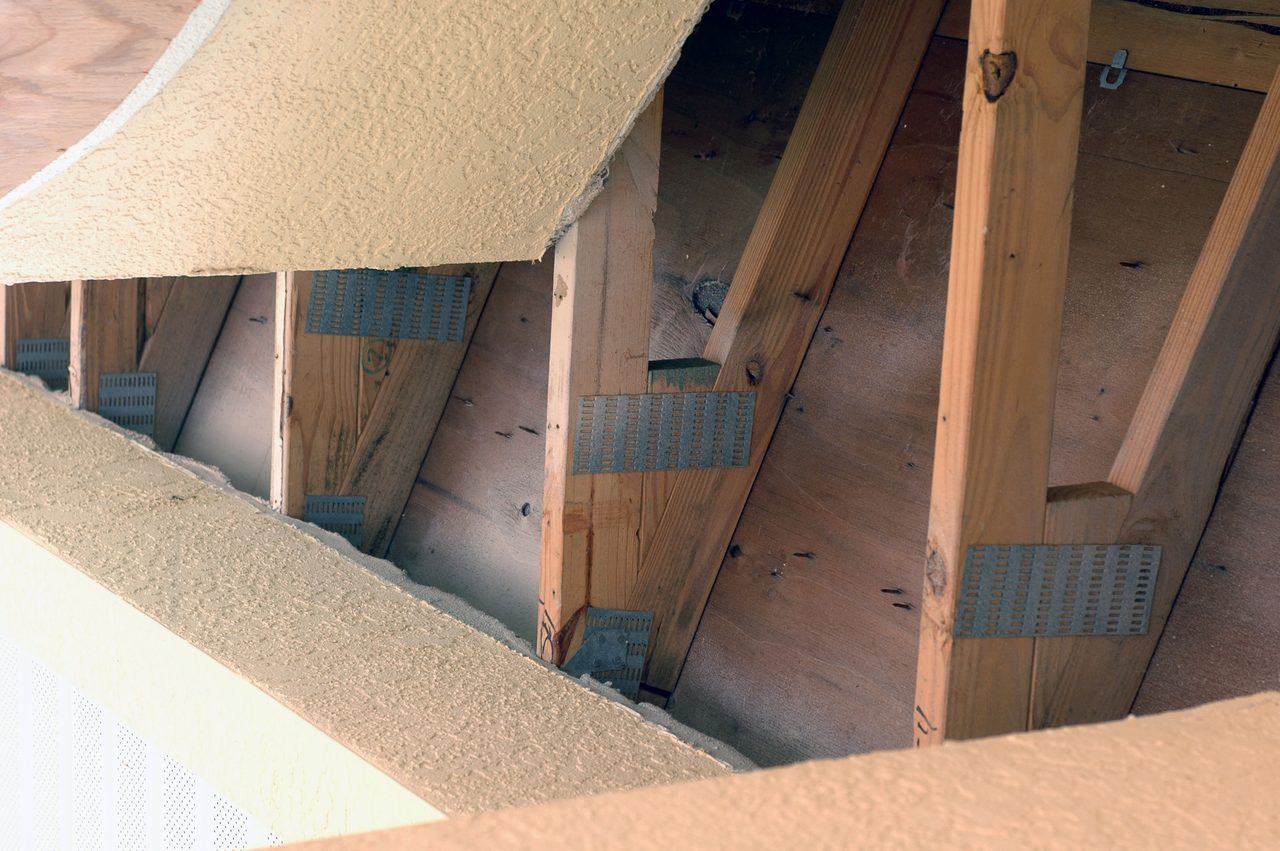
Hurricane Straps on Grand Strand Homes: How to Check Yours and When to Add Them
How to spot hurricane straps from the attic, and what South Carolina's code, SC Safe Home and state insurance law say about them.
Class 4 Impact-Resistant Shingles: Complete Guide to Insurance Discounts & Hurricane Protection
What a Class 4 impact rating means, how it is tested, and what to ask your insurer about impact-resistant shingles.
Metal Roof vs Shingles: Complete 2025 Cost & Comparison Guide
Metal roof vs shingles: which is right for your Myrtle Beach home? Complete comparison covering cost, lifespan, and hurricane resistance.