
Storm Damage Roof Repair in Myrtle Beach: Complete 2026 Guide
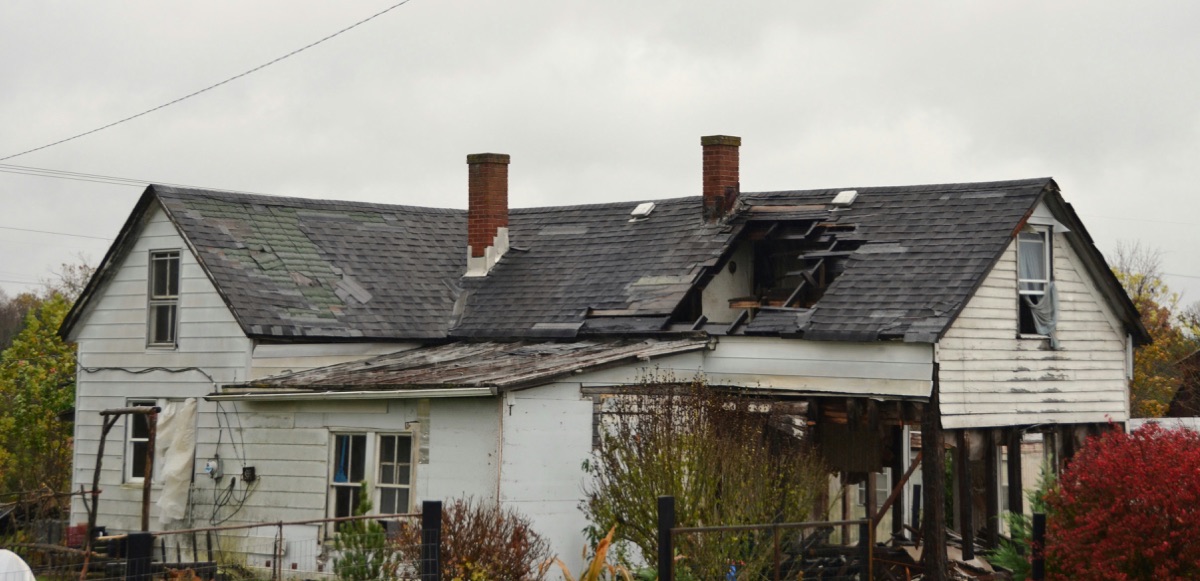
Shocking Industry Truth
Myrtle Beach sits directly in one of the most active storm corridors on the Atlantic Coast. Between hurricanes, tropical storms, hailstorms, tornadoes, and nor'easters, our roofs take more punishment than almost anywhere else in the Southeast. Since 2018 alone, the Myrtle Beach area has been impacted by Hurricane Florence, Hurricane Isaias, Hurricane Ian, the December 2023 tornado outbreak, and Hurricane Helene in 2024 -- and that does not include the hail events and severe thunderstorms that hit every year in between.
If you are reading this, your roof has likely sustained storm damage -- or you want to be prepared for when it happens. Either way, this guide is the most comprehensive resource available on storm damage roof repair specific to Myrtle Beach and the Grand Strand. We cover everything: how to identify damage, what to do immediately after a storm, the insurance claim process unique to South Carolina, how to choose the right contractor, and how to protect your roof against future storms.
At WeatherShield Roofing, we are rated 5.0 stars on Google with 82+ reviews and have helped hundreds of Myrtle Beach homeowners navigate storm damage repairs and insurance claims. This guide reflects what we see in the field every storm season -- not generic advice from a national website. For immediate help with storm damage, call (843) 877-5539.
Need Emergency Storm Damage Help?
If your roof is actively leaking or you have significant structural damage from a recent storm, do not wait. WeatherShield provides 24-hour emergency roofing service including emergency tarping and temporary repairs to prevent further damage. Call (843) 877-5539 now.
Ready to Protect Your Investment?
Schedule your free roof inspection today. No obligations, just peace of mind.
Types of Storm Damage That Affect Myrtle Beach Roofs
Not all storm damage looks the same, and different types of storms cause different types of roof damage. Understanding what you are dealing with is the first step toward getting it repaired correctly. Here are the five major storm damage categories we see in the Myrtle Beach area.
Hurricane and Tropical Storm Damage
Hurricanes are the most devastating storm type for Myrtle Beach roofs. A Category 1 hurricane brings sustained winds of 74-95 mph -- enough to tear off shingles, peel back flashing, and compromise the roof deck. Higher categories cause progressively more catastrophic damage. But it is not just the wind. Hurricanes bring torrential rain driven sideways at high velocity, which exploits every gap, lifted shingle, and compromised seal on your roof. Storm surge and flooding in low-lying areas add further complications.
Common hurricane roof damage includes: large sections of missing shingles, exposed and damaged roof deck (sheathing), lifted or torn ridge caps, destroyed flashing around penetrations, blown-off soffit and fascia, and water intrusion through multiple entry points. In severe cases, entire roof sections can be peeled away.
Hail Damage
Hail is deceptive. After a hailstorm, your roof might look fine from the ground, but up close the damage can be extensive. Hail impacts crack and dislodge the protective granules on asphalt shingles, exposing the underlying mat to UV degradation and water penetration. Over time, unrepaired hail damage dramatically shortens your roof's remaining life.
Signs of hail damage include: dark spots or bruises on shingles where granules have been knocked loose, dents in metal flashing, gutters, and roof vents, cracked or split shingles from larger hailstones, and granule accumulation in gutters and at downspout discharge points. Hail damage can be difficult to see without getting on the roof, which is why a professional roof inspection after any significant hailstorm is critical.
Tornado and Straight-Line Wind Damage
The December 2023 tornado outbreak in the Myrtle Beach area was a reminder that tornadoes are a real threat here -- not just in the Midwest. Tornado damage is often concentrated along a narrow path but can be catastrophic within that path. Even outside a direct tornado hit, severe thunderstorms produce straight-line winds that can exceed 80 mph, causing damage comparable to a weak hurricane.
Wind damage from tornadoes and severe thunderstorms typically shows as: shingles lifted, curled, or completely ripped off in concentrated areas, ridge caps torn away, structural damage to roof framing in severe cases, and airborne debris impacts (tree limbs, building materials, other objects striking the roof).
Nor'easter and Winter Storm Damage
Myrtle Beach residents sometimes underestimate winter storms. Nor'easters bring sustained high winds, heavy rain, and occasionally ice or sleet to the Grand Strand. While we do not get the heavy snow loads that damage roofs up north, the combination of high wind and driving rain during a nor'easter can cause significant damage -- particularly to older roofs or those with existing vulnerabilities.
Nor'easter damage often manifests as: wind-driven rain infiltration through aging seals, lifted shingles on the windward side of the roof, damaged or detached drip edges, and gutter damage from ice and debris.
Wind-Driven Rain Damage
Across all storm types, wind-driven rain is one of the most common causes of interior water damage in Myrtle Beach homes. Even if your shingles stay in place, high winds push rain under shingle laps, through compromised flashing, and into any gap in your roof system. The damage may not be visible on the exterior at all -- the first sign is often a water stain on your ceiling days or weeks after the storm. For a deeper dive into wind damage specifically, read our complete guide to wind damaged roofs.
Myrtle Beach Storm History: Why Your Roof Is at Risk
Understanding our local storm history is not just academic -- it directly affects your insurance policy, your roof's condition, and the urgency of storm preparedness. Myrtle Beach has been hit by major storms with increasing frequency in recent years.
Major Storms That Have Impacted Myrtle Beach
Here is a timeline of significant storm events that affected roofs in our area:
- Hurricane Hazel (1954): Category 4 storm that destroyed 80% of waterfront buildings in the Myrtle Beach area. This event reshaped building codes and coastal construction standards for the entire region.
- Hurricane Hugo (1989): Category 4 storm that made landfall near Charleston but caused significant damage up the coast into Horry County. Hugo caused an estimated $7 billion in damage across South Carolina and led to 27 deaths in the state.
- Hurricane Floyd (1999): Though Floyd turned north and avoided a direct hit, its massive wind field and flooding caused extensive damage along the Grand Strand.
- Hurricane Matthew (2016): Category 1 storm that skirted the SC coast with sustained winds and historic flooding. Matthew caused an estimated $1.5 billion in damage across South Carolina. Many Myrtle Beach roofs sustained wind and water damage.
- Hurricane Florence (2018): Made landfall as a Category 1 near Wrightsville Beach, NC, but its slow movement dropped record-setting rainfall on Horry County -- over 23 inches in some areas. The flooding was catastrophic, and the wind damage to roofs was widespread across the Myrtle Beach area.
- Hurricane Isaias (2020): Category 1 storm that tracked directly up the coast, bringing sustained winds and tornadoes to the Grand Strand. Multiple tornadoes touched down in Horry County during this storm.
- Hurricane Ian (2022): After devastating Florida, Ian re-strengthened and made a second landfall near Georgetown, SC, as a Category 1 hurricane. The Myrtle Beach area experienced significant wind and flooding.
- December 2023 Tornado Outbreak: A rare winter tornado outbreak produced multiple tornadoes in the Myrtle Beach area, causing localized but severe roof damage across several neighborhoods.
- Hurricane Helene (2024): Made landfall in Florida's Big Bend but its expansive wind field brought tropical storm conditions and storm surge to the Grand Strand, causing roof damage and coastal flooding.
Hurricane Season Timeline: June Through November
Atlantic hurricane season runs from June 1 through November 30, with peak activity between August and October. For Myrtle Beach, the historical data shows the highest risk window is mid-August through mid-October. However, as the December 2023 tornado outbreak proved, severe weather can strike outside the traditional hurricane season. Preparation is a year-round responsibility. Our hurricane roof preparation guide covers exactly how to get ready.
The Cumulative Impact on Your Roof
Here is what many homeowners miss: storm damage is cumulative. A roof that survived Hurricane Florence in 2018 may have sustained minor damage that was never identified or repaired. Then Hurricane Isaias in 2020 added more stress. Then the 2023 tornado season. Each event weakens the roof system incrementally. By the time you notice a leak or missing shingles, the underlying damage may be far more extensive than what is visible on the surface. This is why we strongly recommend a professional inspection after every significant storm event -- even if your roof looks fine from the ground.
How to Identify Storm Damage on Your Roof
After a storm passes through Myrtle Beach, assessing your roof for damage is one of the first things you should do -- safely. Some damage is obvious. Some is hidden. Knowing what to look for can be the difference between catching a problem early and dealing with major interior damage months later.
What You Can See from the Ground
Start with a ground-level visual inspection. Walk around your entire property and look for these signs:
- Missing shingles: The most obvious sign. Look for bare patches on your roof where shingles have been completely torn away, exposing the underlayment or roof deck.
- Shingles on the ground: Check your yard, driveway, and landscaping for shingles or shingle fragments. Also check your neighbors' yards -- shingles can travel a significant distance in high winds.
- Damaged ridge caps: Look at the peak of your roof. Ridge cap shingles are especially vulnerable to wind because they sit at the highest point and catch wind from both sides.
- Dented or sagging gutters: Hail dents in gutters are often the easiest hail damage to spot from ground level. Check downspouts and gutter guards as well.
- Granule accumulation: Check your gutters and the areas where downspouts discharge. A heavy accumulation of shingle granules (they look like coarse sand) after a storm indicates significant granule loss from hail or wind damage.
- Damaged flashing: Look at areas where your roof meets a wall, chimney, or vent pipe. Bent, lifted, or missing flashing is a common storm damage finding.
- Soffit and fascia damage: Check the underside of your roof overhang. High winds can tear away soffit panels and fascia boards, exposing your attic to water and pests.
- Debris impact marks: Tree limbs and airborne debris can puncture or crack roofing materials. Look for broken branches on or near your roof and for any visible impact damage.
Hidden Damage You Cannot See from the Ground
Some of the most serious storm damage is invisible from ground level. This is why a professional roof inspection is essential after any significant storm:
- Hail bruising: Hail impacts that crack the shingle mat without fully dislodging granules. This damage weakens the shingle and accelerates aging but is nearly impossible to see from the ground.
- Seal strip failure: High winds can break the adhesive seal strips that bond shingles together. Once the seal is broken, the shingle becomes vulnerable to wind-lift in the next storm -- even a much milder one.
- Nail pops: Storm winds cause the roof deck to flex, which can work roofing nails upward. Popped nails create a direct path for water infiltration.
- Cracked pipe boots: The rubber boots around plumbing vent pipes can crack from hail impact or wind stress. These cracks often cause slow leaks that go unnoticed for months.
- Underlayment damage: If shingles were lifted and then resettled, the underlayment beneath them may have been torn or compromised, reducing its waterproofing effectiveness.
- Attic water intrusion: Check your attic after a storm. Look for water stains on the underside of the roof deck, damp insulation, or daylight visible through the roof. These signs indicate damage that may not be visible from outside.
Free Post-Storm Roof Inspection
Do not climb on your roof to inspect it yourself after a storm -- it is dangerous. WeatherShield Roofing provides free, comprehensive post-storm inspections with photo documentation of all findings. We will identify both visible and hidden damage and provide a detailed report you can use for your insurance claim. Call (843) 877-5539 to schedule your inspection. Learn more about our professional inspection process.
What to Do Immediately After Storm Damage
The first 24-72 hours after storm damage are critical. What you do -- and what you avoid doing -- in this window directly impacts your safety, your insurance claim outcome, and the total cost of repairs. Follow these steps in order.
Step 1: Ensure Safety First
Before assessing any damage, make sure it is safe to be outside. Wait until the storm has fully passed and emergency services have cleared your area. If there are downed power lines near your home, stay inside and call your utility company. If you see significant structural damage to your roof or home, do not enter rooms beneath the damaged area -- a compromised roof can collapse without warning.
Step 2: Document Everything
This is the single most important step for your insurance claim. Start documenting damage immediately with your smartphone:
- Take wide-angle photos of all four sides of your home and the overall roof
- Take close-up photos of every area of visible damage
- Photograph any interior damage -- water stains, leaks, fallen ceiling material
- Take photos of shingles, debris, and tree limbs on the ground
- Record video of active leaks if present
- Note the date and time of photos -- timestamps matter for claims
- Keep any fallen roofing materials (shingles, flashing, etc.) as evidence
Step 3: Prevent Further Damage (Emergency Tarping)
Your insurance policy requires you to take reasonable steps to prevent further damage. This is called your "duty to mitigate." If your roof is exposed or leaking, emergency tarping is the standard solution. Do not attempt to tarp your own roof -- it is extremely dangerous, especially after a storm when surfaces are wet and debris is present. Call a professional for emergency tarping service.
Keep all receipts for emergency repairs and tarping -- these costs are typically covered by your insurance policy separate from your deductible. Move valuable belongings and furniture away from areas where water is coming in. Place buckets or containers under active leaks. If water is near electrical outlets or fixtures, turn off the breaker for that area.
Step 4: Contact Your Insurance Company
File your claim as soon as possible. Most SC insurance policies have filing deadlines -- typically within one year of the damage, though some policies have shorter windows. The sooner you file, the better. When you call, have your policy number ready and be prepared to describe the damage. The insurance company will assign an adjuster to inspect your property. Our guide on all-perils vs named storm deductibles in SC will help you understand what to expect from your claim.
Step 5: Call a Licensed Roofing Contractor
Before the insurance adjuster arrives, have a licensed roofing contractor inspect your roof and provide a detailed damage assessment. A good contractor will identify damage the adjuster might miss, provide documentation that supports your claim, and give you an honest assessment of repair vs. replacement needs. At WeatherShield, we work directly with insurance adjusters and can be present during their inspection to ensure nothing is overlooked. Call (843) 877-5539 for a free storm damage assessment.
Important: Do Not Sign Anything Under Pressure
After a storm, you may be approached by door-to-door roofers offering to handle everything for you. Do not sign any contracts, assignments of benefits (AOB), or agreements on the spot. Take time to verify the contractor's license, insurance, and reputation. Legitimate contractors will never pressure you for an immediate signature. See our section on storm chaser scams below.
Storm Damage Roof Repair vs. Full Replacement: How to Decide
One of the biggest decisions after storm damage is whether to repair or fully replace your roof. The answer depends on several factors, and the right choice can save you thousands of dollars -- or cost you thousands if you get it wrong.
When Repair Is the Right Choice
Roof repair makes sense in these situations:
- Localized damage: If storm damage is confined to one section or slope of the roof and the rest of the roof is in good condition, targeted repairs can restore full protection without the cost of full replacement.
- Newer roof (under 10 years): A relatively new roof with storm damage typically has plenty of remaining life. Repairing the damaged area is usually the most cost-effective approach.
- Minor damage: A few missing shingles, small flashing repairs, or minor ridge cap damage can be fixed quickly and affordably.
- Matching materials available: If the same shingles are still manufactured and available, repairs can blend seamlessly with the existing roof.
When Full Replacement Is Needed
Full roof replacement becomes the right call when:
- Widespread damage: If more than 30% of the roof surface is damaged, replacement is typically more cost-effective than extensive repairs and provides a better long-term result.
- Older roof with storm damage: If your roof was already 15+ years old when the storm hit, the remaining undamaged shingles have limited life left. Repairing storm damage on a roof that needs replacement in 3-5 years is throwing money away.
- Structural damage: If the storm compromised the roof deck (sheathing), rafters, or trusses, a full tear-off and replacement is necessary to properly address the structural issues.
- Multiple previous repairs: A roof with a history of patched repairs from previous storms is increasingly vulnerable. Each repair creates potential weak points. At a certain point, replacement is the only reliable solution.
- Insurance covers replacement: If your insurance adjuster determines the damage warrants full replacement, take advantage of it. Your out-of-pocket cost may be just your deductible for a brand-new roof.
Factors That Affect the Decision
| Factor | Favors Repair | Favors Replacement |
|---|---|---|
| Roof age | Under 10 years | Over 15 years |
| Damage extent | Less than 30% of roof | More than 30% of roof |
| Previous repairs | None or one | Multiple prior patches |
| Structural integrity | Deck and framing intact | Deck or framing compromised |
| Insurance coverage | Claim covers repair costs | Claim approved for replacement |
| Material availability | Matching shingles available | Discontinued shingles |
A professional contractor can assess all of these factors and give you an honest recommendation. At WeatherShield, we never push replacement when repair is the right answer -- and we never patch a roof that genuinely needs to be replaced. Get a free inspection and honest assessment by calling (843) 877-5539.
Filing a Storm Damage Insurance Claim in South Carolina
Filing an insurance claim for storm damage is one of the most stressful parts of the entire process. South Carolina has specific rules and nuances that affect your claim. Understanding them before you file gives you a significant advantage.
Understanding Your SC Homeowners Policy
South Carolina homeowners insurance policies cover roof damage caused by named perils -- which includes wind, hail, fallen trees, and other storm-related events. However, the key question is not whether damage is covered, but how much the policy will pay. Two homeowners with identical damage can receive vastly different payouts depending on their policy type.
The two most important policy distinctions are:
- Replacement Cost Value (RCV): Pays the full cost to replace your roof at current prices, minus your deductible. This is the better policy.
- Actual Cash Value (ACV): Pays the depreciated value of your roof minus your deductible. On an older roof, ACV can leave you paying thousands out of pocket.
Named Storm vs. All-Perils Deductibles in SC
This is where South Carolina policies get complicated -- and where many homeowners get blindsided. In coastal SC, most policies have two separate deductibles:
- All-perils deductible: A flat dollar amount (typically $1,000-$5,000) that applies to non-hurricane events like hailstorms, thunderstorms, fallen trees, and tornadoes.
- Named storm (hurricane) deductible: A percentage of your dwelling coverage (typically 2-5% in Horry County) that applies when damage is caused by a named tropical storm or hurricane. On a home insured for $350,000, a 5% named storm deductible means $17,500 out of pocket before insurance pays anything.
The difference between these deductibles is massive. A hailstorm might cost you a $2,500 deductible. The same amount of damage from a hurricane could cost you $10,000-$17,500. For a comprehensive breakdown, read our complete guide to all-perils vs. named storm deductibles in SC.
Step-by-Step Insurance Claim Filing Process
- Document all damage immediately (photos, video, written notes with dates and times)
- Contact your insurance company to file the claim -- do this within days, not weeks. Have your policy number and damage documentation ready.
- Get a professional roofing inspection before the adjuster arrives. Your contractor can identify damage the adjuster may miss and provide professional documentation.
- Meet the adjuster at your property if possible. Having your roofing contractor present during the adjuster's inspection is strongly recommended -- they speak the same technical language and can point out damage the adjuster might overlook.
- Review the adjuster's scope of work carefully. Compare it against your contractor's assessment. If the adjuster's scope seems low, you have the right to dispute it.
- Receive your initial payment (if using RCV, this is the ACV amount). Complete the repairs.
- Submit the final invoice to collect depreciation holdback (RCV policies pay the remaining amount after repairs are completed).
Common Reasons Claims Get Denied
- Pre-existing damage: If the insurer determines the damage existed before the storm, they may deny the claim. This is why regular maintenance and documentation are so important.
- Wear and tear exclusion: Insurance covers sudden storm damage, not gradual deterioration. If your roof was already failing, the claim may be denied or reduced.
- Late filing: Waiting too long to file can result in denial. File promptly.
- Cosmetic damage exclusion: Some SC policies exclude "cosmetic" hail damage -- dents and granule loss that do not affect the functional performance of the shingle. Check your policy for this exclusion.
- Failure to mitigate: If you did not take reasonable steps to prevent further damage (like tarping an exposed roof), the insurer can deny coverage for damage that occurred after the storm due to your inaction.
WeatherShield Works With Your Insurance
Navigating insurance claims is stressful and confusing. WeatherShield Roofing works directly with all major insurance carriers in South Carolina. We provide detailed documentation, meet with adjusters on your behalf, and help ensure your claim reflects the full scope of damage. We do not charge for this service -- it is part of our commitment to Myrtle Beach homeowners. Call (843) 877-5539 to get started.
How Much Does Storm Damage Roof Repair Cost in Myrtle Beach?
One of the first questions homeowners ask after storm damage is "how much will this cost?" The honest answer is: it depends entirely on the type and extent of damage. Here is a realistic overview of what drives costs in the Myrtle Beach area.
Factors That Affect Storm Damage Repair Costs
- Extent of damage: A few missing shingles cost far less to repair than half a roof's worth of damage. The scope is the primary cost driver.
- Type of damage: Simple shingle replacement is more affordable than structural repairs to the roof deck, rafters, or trusses.
- Roofing material: Asphalt shingle repairs cost less than metal roofing, tile, or slate repairs.
- Roof accessibility: Steep roofs, multi-story homes, and roofs with limited access points require more time and safety equipment, increasing labor costs.
- Emergency vs. scheduled: Emergency tarping and temporary repairs needed immediately after a storm may carry a premium compared to repairs scheduled during normal conditions.
- Material availability: After major storms, roofing materials can be in short supply as demand surges across the region. This can affect both cost and timeline.
- Contractor demand: After a widespread storm event, demand for roofing contractors spikes. Legitimate local contractors maintain fair pricing, but the surge in demand can extend timelines.
What Insurance Typically Covers
With a standard RCV homeowners policy, your insurance should cover the full cost of storm damage repairs minus your deductible. This includes materials, labor, permits, and in some cases, temporary repairs like tarping. Emergency mitigation costs (preventing further damage) are typically covered above and beyond your deductible.
With an ACV policy, your payout is reduced by depreciation based on your roof's age. The gap between the ACV payout and actual repair cost comes out of your pocket. For a detailed breakdown of repair costs in our area, see our Myrtle Beach roof repair cost guide and emergency roof repair cost guide.
Free Estimates -- No Surprises
WeatherShield provides free, detailed estimates for all storm damage repairs. We will inspect your roof, document the damage, and give you a clear, itemized quote before any work begins. No hidden fees, no pressure. Call (843) 877-5539 or request your free quote online.
Beware of Storm Chasers: Protecting Yourself After a Storm
After every major storm that hits Myrtle Beach, something else arrives within 24-48 hours: storm chasers. These are out-of-town roofing crews that descend on storm-affected areas, go door-to-door soliciting work, and often leave homeowners worse off than before. This is not a scare tactic -- it is a documented pattern that happens after every significant weather event on the Grand Strand.
How to Identify Storm Chasers
- Door-to-door solicitation: They show up at your door within hours or days of a storm, often without being called. Legitimate contractors do not need to canvass neighborhoods for work after a storm.
- Out-of-state license plates and vehicles: Storm chasers travel from storm to storm. Their trucks, trailers, and equipment often have out-of-state plates.
- Pressure to sign immediately: They push you to sign a contract or an Assignment of Benefits (AOB) right away, claiming limited availability or special deals. This is a high-pressure sales tactic.
- No local address or office: They cannot provide a permanent local address. They may give you a PO box or hotel as their "office."
- Offers to cover your deductible: Any contractor who offers to waive or pay your insurance deductible is committing insurance fraud in South Carolina. This is illegal.
- Requests for large upfront payments: Legitimate contractors do not demand full payment or large deposits before work begins. Standard practice is a reasonable deposit with the balance due upon completion.
- Vague or no warranty: Storm chasers may promise warranties verbally but provide nothing in writing -- or provide a warranty from a company that will not exist in six months.
Why Storm Chasers Are Dangerous
The risks of hiring a storm chaser go beyond just poor workmanship:
- Substandard work: Without accountability to the local community, the quality of work is often poor -- improper installation, wrong materials, shortcuts that create new problems.
- No warranty support: When the storm chaser moves to the next disaster area, there is nobody to call when problems appear. Their phone number may be disconnected within months.
- Insurance complications: Storm chasers may inflate damage claims, which can lead to insurance fraud investigations that drag the homeowner into legal trouble.
- Assignment of Benefits abuse: An AOB transfers your insurance claim rights to the contractor. Bad actors use this to negotiate directly with your insurer, sometimes pocketing the difference between what insurance pays and what the work actually costs.
How to Protect Yourself
- Only hire licensed SC roofing contractors with a verifiable local address
- Check the contractor's license status with the SC LLR (Department of Labor, Licensing and Regulation)
- Read Google reviews and verify the business has a track record in the community
- Never sign anything on the spot -- take 24-48 hours to research any contractor
- Get everything in writing: scope of work, materials, timeline, warranty, and payment schedule
- Never pay more than a reasonable deposit upfront
- Verify the contractor carries both general liability insurance and workers' compensation
For a comprehensive guide to avoiding roofing scams in our area, read our detailed article: How to Avoid Roofing Scams in Myrtle Beach.
WeatherShield: Your Local, Licensed Contractor
WeatherShield Roofing is locally owned and operated at 215 Ronnie Ct. Unit F, Myrtle Beach, SC 29579. We are licensed, insured, and have served the Myrtle Beach area since 2022. Our 5.0-star Google rating with 82+ reviews speaks to our reputation in this community. We are not going anywhere -- we live and work here. Call (843) 877-5539.
How WeatherShield Handles Storm Damage Repairs
When you call WeatherShield for storm damage roof repair, here is exactly what happens. No surprises, no pressure, no hidden steps.
Our Storm Damage Repair Process
- Initial Contact and Assessment: You call (843) 877-5539. We gather basic information about the damage and schedule an inspection. If you have an active leak or emergency, we prioritize your call for emergency service.
- Comprehensive Roof Inspection: Our crew inspects your entire roof -- not just the area you noticed. We document every finding with photos, measurements, and detailed notes. You receive a copy of this inspection report.
- Insurance Coordination: If you are filing a claim, we prepare a detailed scope of work that matches the format insurance adjusters use. We can meet with your adjuster during their inspection to ensure nothing is missed. We do not charge extra for this.
- Detailed Proposal: We provide a clear, itemized proposal covering all necessary work -- materials, labor, permits, and any additional items identified during inspection. No hidden fees, no surprises.
- Professional Repair or Replacement: Our licensed, experienced crew completes the work to manufacturer specifications and local building code requirements. We use quality materials from trusted manufacturers.
- Final Inspection and Documentation: After completion, we do a thorough quality check and provide you with before-and-after documentation. This documentation is valuable for both your insurance file and for future reference.
- Warranty and Follow-Up: All work is backed by our workmanship warranty in addition to manufacturer material warranties. We stand behind our work because we are part of this community -- our reputation depends on it.
Why Myrtle Beach Homeowners Choose WeatherShield
- 5.0-star Google rating with 82+ verified reviews -- the highest in the Myrtle Beach area
- Serving Myrtle Beach and the Grand Strand since 2022
- Licensed and fully insured in South Carolina with workers' compensation coverage
- Direct insurance coordination -- we work with your adjuster at no additional charge
- Local, permanent presence -- our office is at 215 Ronnie Ct. Unit F, Myrtle Beach, SC 29579
- No storm chaser tactics -- no pressure, no upfront payment games, no deductible fraud
Preventing Future Storm Damage: Upgrades That Pay Off
The best storm damage strategy is prevention. While you cannot stop a hurricane, you can make your roof dramatically more resistant to storm damage. These upgrades are particularly valuable for Myrtle Beach homeowners because they can also reduce your insurance premiums and qualify for state grants.
FORTIFIED Roof Designation
The IBHS (Insurance Institute for Business & Home Safety) FORTIFIED program is the gold standard for storm-resistant roofing. A FORTIFIED roof is built to withstand severe weather significantly beyond standard building code requirements. The program has three levels -- Bronze (roof only), Silver, and Gold -- with Bronze being the most common and most impactful upgrade for homeowners.
A FORTIFIED Bronze roof includes: sealed roof deck (no exposed sheathing joints), drip edge properly nailed at close intervals, ring-shank nails for shingle attachment, enhanced flashing at all penetrations, and impact-rated ridge vents. These upgrades address the most common failure points in severe weather. In testing, FORTIFIED roofs have shown dramatically better performance in hurricane conditions compared to code-minimum construction.
Impact-Resistant Shingles (Class 4)
Class 4 impact-resistant shingles are designed to withstand hail impacts that would damage standard shingles. They are rated using the UL 2218 test standard, where a 2-inch steel ball is dropped from 20 feet onto the shingle. Class 4 is the highest rating. Many insurance carriers in SC offer premium discounts for homes with Class 4 shingles. For a complete analysis, read our guide to Class 4 impact-resistant shingles and insurance savings.
SC Safe Home Grant Program
South Carolina's Safe Home program provides grants for wind-resistance retrofits on owner-occupied homes. The program is administered by the SC Department of Insurance and offers grants up to $7,500 for qualifying projects. Horry County is an eligible area. Grant funds can be combined with a roof replacement or retrofit to offset the cost of FORTIFIED-level upgrades.
The program has two award tiers:
- Resilient Mitigation Award: Up to $7,500 for FORTIFIED-qualifying retrofits
- Sustainable Mitigation Award: Up to $5,000 for other qualifying wind-mitigation improvements
Additional Storm-Proofing Upgrades
- Upgraded underlayment: Synthetic underlayment (like GAF Tiger Paw) provides significantly better water resistance and tear strength compared to traditional felt paper.
- Enhanced flashing: Heavy-gauge step flashing and counter flashing at all roof-to-wall transitions and penetrations prevents wind-driven rain intrusion.
- Starter strip reinforcement: High-wind starter strips along eaves and rakes are specifically designed to resist wind-driven shingle lift at the most vulnerable edge areas.
- Roof-to-wall connections: Hurricane straps or clips connecting your roof framing to the wall structure prevent the roof from separating from the house in extreme wind events.
- Regular maintenance: Annual professional inspections identify and address vulnerabilities before the next storm. A well-maintained roof performs dramatically better in a storm than a neglected one. Schedule your free inspection today.
For comprehensive hurricane preparation steps, read our guide to protecting your roof from hail and hurricane damage.
Ready to Storm-Proof Your Roof?
WeatherShield Roofing specializes in storm-resistant roofing systems for Myrtle Beach homes. We can assess your current roof's vulnerabilities, recommend the most impactful upgrades for your situation, and help you navigate SC Safe Home grants and insurance discount programs. 5.0 stars, 82+ Google reviews. Call (843) 877-5539 or request a free quote to get started.
The Cost Comparison: Maintenance vs. Neglect
Without Maintenance
- Roof lifespan: 12-15 years
- Insurance claims often denied
- Emergency repairs cost 3x more
- Property value decreases by 5-10%
- Warranty becomes void
- Total 20-year cost: $382
With Regular Maintenance
- Roof lifespan: 25-30+ years
- Insurance claims approved
- Prevent costly emergencies
- Property value protected
- Full warranty coverage maintained
- Total 20-year cost: $8,000-10,000
Need a roofer?
Call (843) 877-5539 for a free estimateNeed Professional Help?
WeatherShield Roofing is Myrtle Beach's highest-rated roofing company with a perfect 5.0-star Google rating. We can help with any roofing need:
Frequently Asked Questions
About the Author
David Karimi
Owner & Licensed Roofing Contractor
David Karimi is the owner of WeatherShield Roofing with extensive experience in residential and commercial roofing in Myrtle Beach, SC.
The Bottom Line: Your Roof, Your Choice
Every day you wait is another day closer to that emergency call no homeowner wants to make. The statistics are clear: 80% of roofs fail prematurely, and 61% of homeowners can't afford the emergency repairs that follow.
What You Get with Weather Shield Roofing:
Don't Wait Until It's Too Late
Join thousands of smart Myrtle Beach homeowners who protect their investment with regular maintenance.
Emergency? Call our 24/7 hotline: (843) 877-5539
Our Roofing Services
Serving the Grand Strand
Weather Shield Roofing proudly serves homeowners across the Grand Strand and surrounding communities. Find your local roofing experts:
Related Articles

Hurricane Roof Damage in Myrtle Beach: What to Do First (2026 Guide)
Hurricane roof damage in Myrtle Beach? Step-by-step guide: emergency tarping, SC insurance claims, damage by hurricane category, storm chaser warnings & when to call a roofer. Call (843) 877-5539.

Wind Damaged Roof: How to Identify, Document & Repair Wind Damage (2025)
How to identify wind damage on your roof: signs of lifted shingles, exposed decking, and structural damage. Learn documentation for insurance claims, repair vs replacement decisions, costs, and what wind speeds cause roof damage. Expert guide.

What Does Hail Damage Look Like on a Roof? Complete Visual Identification Guide (2025)
What does hail damage look like? Visual guide showing 10 signs of hail damage on asphalt shingles, metal, tile roofs. Learn when to act, how to document for insurance claims, repair costs, and Myrtle Beach hail statistics. Expert photos and timelines.