Longs and Loris SC Roofing: Why Inland Doesn't Mean Safe
Shocking Industry Truth
If you live in Longs or Loris, South Carolina, you have probably heard some version of this: "You are far enough from the coast that you do not need to worry about your roof the way beach people do." That is one of the most expensive myths in northern Horry County. I have replaced roofs in Longs and Loris that were destroyed by the same hurricanes and severe storms that hit Myrtle Beach -- because 15 to 25 miles of flat coastal plain does almost nothing to slow down 100+ mph winds, and it does absolutely nothing to stop the humidity, hail, and tornadoes that are actually more common inland.
Longs is an unincorporated census-designated place straddling Highway 9 in northern Horry County, about 15 miles northwest of North Myrtle Beach. Loris is an incorporated town -- the "Bean Capital of the World," famous for its annual Loris Bog-Off festival -- located at the intersection of Highways 9, 701, and 905, roughly 22 miles from the coast. Together, these two communities anchor the northern end of Horry County with a combined population area of approximately 15,000 to 20,000 people. The housing stock is a mix of site-built single-family homes, older farmhouses, and a significant number of manufactured and mobile homes -- and each type has its own roofing challenges.
This article is part of our neighborhood guides series covering the Grand Strand area. For nearby communities, see our guides on Little River roofing, North Myrtle Beach roofing, Socastee roofing, and Forestbrook roofing. For coastal comparisons, our Surfside Beach guide and Garden City Beach guide show what full oceanfront exposure looks like.
Free Roof Inspection for Longs and Loris Homeowners
Whether you are on a rural lot along Highway 905, in a subdivision off Highway 9, or in a manufactured home community, WeatherShield Roofing provides free, no-obligation roof inspections throughout northern Horry County. We check for storm damage, humidity deterioration, aging materials, and the specific issues that affect inland homes. Call (843) 877-5539 or schedule your free inspection online.
TL;DR -- Longs and Loris Roofing Quick Facts
- Location: Northern Horry County, 15-25 miles from the coast along Highways 9, 701, and 905
- Population area: ~15,000-20,000 combined (Longs CDP + Loris town + surrounding rural areas)
- Primary roofing threats: Severe thunderstorms, hurricane-force inland winds, high humidity causing algae and wood rot
- Secondary threats: Hail damage, tornado risk, aging housing stock, manufactured home roof deterioration
- Salt air exposure: None -- too far inland for salt corrosion, but humidity is still extreme
- Housing stock: Mix of site-built homes, older farmhouses, and a significant percentage of manufactured/mobile homes
- Best materials: Algae-resistant architectural shingles for site-built homes; metal roof-overs or TPO for manufactured homes
- Key areas: Longs along Hwy 9, Loris town center, Hwy 905 corridor, Hwy 701 corridor, rural properties throughout
- Insurance note: Still in hurricane zone -- do not assume inland means lower premiums or less coverage needed
Ready to Protect Your Investment?
Schedule your free roof inspection today. No obligations, just peace of mind.
The "Inland Is Safe" Myth: Why Longs and Loris Roofs Take a Beating
I hear this constantly from Longs and Loris homeowners: "We are too far from the beach to worry about storm damage." Let me be direct -- that assumption has cost homeowners in this area tens of thousands of dollars in unexpected roof repairs and replacements. Here is why being 15 to 25 miles inland in Horry County does not protect your roof the way you think it does.
Hurricane Winds Do Not Stop at the Beach
When Hurricane Hugo hit South Carolina in 1989, it made landfall near Charleston but delivered hurricane-force winds well over 100 miles inland. More recently, Hurricane Florence in 2018 made landfall near Wrightsville Beach, NC, but the worst damage in Horry County was inland -- massive flooding along the Waccamaw River and Lumber River that devastated communities from Conway to Longs. Hurricane Matthew in 2016 brought sustained winds of 60 to 80 mph to northern Horry County, strong enough to strip shingles, topple trees onto roofs, and send debris airborne.
The flat terrain between the coast and Longs or Loris provides almost zero wind resistance. There are no mountains, no significant hills, and no natural windbreaks. A Category 2 hurricane making landfall at Myrtle Beach will deliver Category 1 or strong tropical storm-force winds to Longs and Loris. That is 75 to 95 mph -- more than enough to destroy a roof, especially an older one or a manufactured home roof.
Severe Thunderstorms and Tornadoes Hit Inland More Often
While the coast gets the hurricane headlines, inland Horry County actually experiences more frequent severe thunderstorms and tornadoes. The land heats up faster than the ocean during summer afternoons, creating powerful convective storms that drop large hail, produce straight-line winds exceeding 60 mph, and spawn tornadoes. The December 2023 EF-1 tornado that damaged homes in the Forestbrook-Socastee area was one example, but northern Horry County has its own tornado history. The flat, open agricultural land around Longs and Loris provides no natural protection against tornado-force winds.
Hail is another inland threat that many Longs and Loris homeowners underestimate. Severe thunderstorms in the spring and summer frequently produce hail in northern Horry County. Even pea-sized hail damages standard three-tab shingles, and golf ball-sized hail -- which occurs more often than people realize -- can destroy an entire roof in minutes. Manufactured home roofs with thin membrane materials are especially vulnerable to hail impact.
Inland Flooding From Rivers and Poor Drainage
Longs and Loris sit between the Waccamaw River to the south and the Lumber River system to the north. When heavy rainfall overwhelms these watersheds -- as it did during Hurricane Florence in 2018 -- the flooding can be catastrophic. While flooding primarily affects ground floors and foundations, it also destabilizes trees (saturated root systems fail, sending trees onto roofs), increases attic humidity and condensation, and traps homeowners in situations where roof repairs cannot begin until floodwaters recede.
The bottom line: every roofing concern that applies to Myrtle Beach also applies to Longs and Loris, minus the salt air. You still get hurricane winds, you get more frequent hail and thunderstorms, your humidity levels are comparable to the coast, and your flooding risk from rivers can actually exceed the coast's storm surge risk during major rain events.
Neighborhood-by-Neighborhood Roofing Guide: Longs and Loris
Longs and Loris are not dense subdivisions like you find in Myrtle Beach or Carolina Forest. These are spread-out communities with a mix of housing types, lot sizes, and construction ages. Here is what I see when working across different areas of northern Horry County.
Longs -- Highway 9 Corridor
The heart of Longs runs along Highway 9 (also known as Nichols Highway), stretching from the North Myrtle Beach boundary westward toward the NC state line. This corridor has seen significant residential and commercial development over the past two decades, driven by people seeking more affordable housing while staying within commuting distance of the Grand Strand's tourism and service economy. You will find newer subdivisions built from the 2000s through the present, older ranch-style homes from the 1970s and 1980s, and manufactured home communities mixed throughout.
Key roofing concerns: Newer subdivisions along Highway 9 typically have builder-grade asphalt shingles that meet code but are not optimized for the area's humidity. Older homes may be on their second or third roof, with underlying decking that needs inspection. The corridor includes some of the area's larger manufactured home parks, where roof maintenance and replacement require specialized approaches. See our Little River roofing guide for the adjacent community just east of Longs along Highway 9.
Longs -- Highway 905 Corridor (Toward Conway)
Highway 905 runs south from Longs toward Conway, passing through rural Horry County farmland, pine forests, and scattered residential areas. Homes along this corridor tend to be on larger lots -- half-acre to multi-acre properties -- with a mix of newer site-built homes, older farmsteads, and manufactured homes. This is where you find some of the most rural properties in the Grand Strand area, and the roofing challenges reflect that.
Key roofing concerns: Rural properties with large lots often have mature trees growing close to the home -- tall longleaf pines and live oaks that can send limbs through a roof during any severe storm. Properties that were formerly agricultural land may have been converted to residential use without proper drainage planning, creating standing water issues near foundations that increase humidity around the home. Some older properties along Highway 905 still have original roofing from the 1970s or 1980s that is well past its effective lifespan.
Loris Town Center and Established Neighborhoods
Loris has a proper downtown core -- it is an incorporated town, unlike the census-designated places that make up most of the Grand Strand area. The town's established neighborhoods surround the downtown area along Main Street and the intersection of Highways 9, 701, and 905. Many of these homes date to the town's tobacco farming heyday in the mid-20th century, when Loris was the economic center of northern Horry County. The annual Loris Bog-Off festival, celebrating the region's chicken bog tradition, draws thousands of visitors each October and is a point of community pride.
Key roofing concerns: Loris's older homes are the ones I worry about most. Many were built in the 1950s through the 1970s, during a time when roofing materials and building codes were far less robust than today. Some have had multiple roof overlays -- layers of new shingles installed over old ones to save money -- and may be at the maximum allowed layers. These roofs need full tear-off and inspection of the underlying structure before replacement. The mature tree canopy in established Loris neighborhoods creates the same shade and debris challenges I see in Socastee and Forestbrook.
Highway 701 Corridor (Loris to Tabor City)
Highway 701 runs north from Loris toward the North Carolina border and Tabor City. This is one of the most rural stretches of Horry County, with large agricultural properties, timber land, and scattered residential homes. The homes along this corridor are some of the most isolated in the area, which creates unique challenges when severe weather strikes.
Key roofing concerns: Isolation means delayed storm damage assessment and repair. After a hurricane or severe storm, roofing contractors prioritize the more densely populated areas first, which means homes along Highway 701 may wait longer for inspection and repair. The rural nature of these properties also means many homeowners attempt DIY roof repairs -- which can void manufacturer warranties and create bigger problems down the road. If your property is on Highway 701 or a rural road in northern Horry County, building a relationship with a licensed roofing contractor before storm season is critical.
Manufactured Home Communities
Northern Horry County has a higher concentration of manufactured and mobile homes than any other part of the Grand Strand. Multiple manufactured home communities are located along Highway 9, Highway 905, and throughout the Longs-Loris area. These homes have fundamentally different roofing systems than site-built homes, and they require specialized knowledge that many general roofing contractors lack. I will cover manufactured home roofing in detail in its own section below, because it is that important for this area.
The 7 Most Common Roofing Problems in Longs and Loris
After years of working on roofs throughout northern Horry County, these are the problems I encounter most frequently in Longs and Loris, ranked by prevalence:
1. Aging Roofs on Older Homes (Most Common)
The single biggest roofing issue in Longs and Loris is deferred maintenance on older homes. Many homeowners in these communities are on fixed incomes or have prioritized other home repairs, and the roof gets pushed to "next year" until it is actively leaking. I regularly inspect roofs in Loris that are 25 to 30+ years old -- well past any material's effective lifespan in South Carolina's climate. By the time these homeowners call, the damage has often spread from the roofing material into the decking, fascia, and sometimes the structural framing. For more on how insurance handles aging roofs, see our guide on insurance coverage for 25-year-old roofs in SC.
2. Humidity-Driven Algae and Mold Growth
Longs and Loris may not have salt air, but they have something nearly as damaging: relentless humidity. Summer humidity in northern Horry County regularly exceeds 80%, and the lower Waccamaw River watershed keeps the air moisture-heavy for most of the year. This humidity fuels algae growth (Gloeocapsa magma) on asphalt shingles, moss on shaded roof surfaces, and mold in poorly ventilated attics. The dark algae streaks you see on roofs throughout Longs and Loris are not just ugly -- they are actively degrading the shingles by feeding on limestone filler and loosening protective granules. For an in-depth look at algae-resistant solutions, see our Atlas Pinnacle Pristine algae resistance review.
3. Manufactured Home Roof Deterioration
With the high concentration of manufactured homes in the Longs-Loris area, this is a problem I see constantly. Factory-installed roofing on manufactured homes -- typically thin membrane or low-quality shingles over minimal framing -- degrades faster than site-built home roofing. The flat or low-slope profile of many manufactured home roofs traps water, and the thinner structure provides less ventilation, which accelerates deterioration from below. Many manufactured homes in this area are 15 to 30 years old, and their original roofs were not designed for South Carolina's humidity and storm exposure.
4. Storm Damage From Severe Thunderstorms and Hail
Northern Horry County's distance from the moderating effect of the ocean means more extreme temperature swings, which produces more severe thunderstorms. These storms bring damaging winds (60+ mph straight-line winds), large hail, and heavy rain. A single severe thunderstorm can strip granules from shingles, crack brittle older materials, send tree branches through roofing, and overwhelm gutters and drainage systems. Manufactured home roofs are especially vulnerable to hail and wind uplift during these events.
5. Tree Impact and Debris Accumulation
Rural and semi-rural properties in Longs and Loris are typically surrounded by mature trees -- longleaf pines, live oaks, sweet gums, and cypress. During storms, these trees become the primary threat to your roof. Even outside of storm season, pine needle accumulation in valleys, behind dormers, and in gutters creates moisture dams that accelerate shingle deterioration and promote wood rot. Homes on wooded lots along Highway 905 and the rural roads outside Loris are especially prone to tree-related damage.
6. Poor Ventilation in Older and Manufactured Homes
Proper attic ventilation is critical in Horry County's climate, yet many older homes in Longs and Loris were built with inadequate ventilation. Without proper ridge vents, soffit vents, and cross-airflow, attic temperatures during summer can exceed 150 degrees Fahrenheit, baking shingles from below and dramatically shortening their lifespan. In manufactured homes, the low-profile roof structure makes ventilation even more challenging, and condensation issues are common. I find that addressing ventilation during a roof replacement adds years of life to the new roof.
7. DIY Repairs That Create Bigger Problems
The rural, self-reliant culture of northern Horry County means many homeowners attempt their own roof repairs. While I respect the DIY spirit, incorrect repairs often create worse problems: improper sealant application that traps water instead of diverting it, mismatched shingle replacements that leave gaps for wind-driven rain, and tarps that become permanent fixtures instead of temporary solutions. These DIY patches can also void manufacturer warranties, leaving homeowners without coverage when the inevitable failure occurs. For a complete guide on when repairs make sense vs. replacement, see our roof leak repair guide.
Manufactured and Mobile Home Roofing in Longs and Loris
This section is critical for the Longs-Loris area. Manufactured homes make up a significant portion of the housing stock in northern Horry County, and their roofing needs are fundamentally different from site-built homes. Most roofing articles ignore manufactured homes entirely, which leaves a large number of Longs and Loris homeowners without the information they need.
Understanding Manufactured Home Roof Types
Manufactured homes typically come with one of three roof types from the factory:
- Flat or low-slope membrane roofs: Most older manufactured homes (pre-2000) have a flat or nearly flat roof covered with a rubber or thermoplastic membrane. These roofs have a typical lifespan of 10 to 15 years and are prone to ponding water, seam failure, and UV degradation
- Metal panel roofs: Some manufactured homes come with pre-formed metal roof panels. These can last 20 to 30 years but are prone to loose fastener seals, rust at fastener penetrations, and poor insulation that creates condensation problems
- Shingled roofs on pitched-roof models: Newer manufactured homes with factory-built pitched roofs may have asphalt shingles. These function more like site-built home roofs but are typically installed over thinner decking and less robust framing
The Roof-Over Option for Manufactured Homes
The most popular solution for manufactured homes with deteriorating flat or low-slope roofs is a "roof-over" -- a new pitched roof structure built over the existing roof. This approach offers several advantages:
- Eliminates ponding water: A pitched roof sheds water instead of collecting it
- Adds insulation: The air space between the old roof and new roof improves energy efficiency
- Protects the existing membrane: The old roof acts as an additional moisture barrier
- Allows shingle or metal roofing: You can install standard materials that last 25 to 50 years instead of replacing a membrane every 10 to 15 years
- Improves curb appeal and home value: A pitched roof makes a manufactured home look more like a site-built home
The key with a manufactured home roof-over is ensuring the existing structure can support the additional weight. A qualified contractor will evaluate the home's frame, tie-down system, and wall structure before building the roof-over frame. Horry County requires permits for manufactured home roof-overs, and the work must meet current building codes.
TPO and Membrane Replacement
For manufactured homeowners who cannot do a full roof-over -- whether due to budget, HOA restrictions in the manufactured home community, or structural limitations -- replacing the existing membrane with TPO (thermoplastic polyolefin) is the best alternative. TPO is a white, reflective membrane that reduces cooling costs, resists algae growth, and lasts 15 to 25 years when properly installed. It is significantly better than the original membranes used on older manufactured homes. For more on flat roofing options, see our flat roofing materials guide.
Metal Roofing for Manufactured Homes
Standing seam or screw-down metal panels are excellent for manufactured homes, whether installed as part of a roof-over or as a direct replacement. Metal handles the Longs-Loris area's humidity without algae concerns, resists hail impact better than shingles or membrane, and lasts 40+ years. The lighter weight of metal (compared to shingles) is also better suited to manufactured home frames. For a detailed look at metal options, see our guides on metal roofing pros and cons and best metal roofing materials for hurricane zones.
Wind Strapping and Tie-Downs
Manufactured homes are especially vulnerable to wind uplift during severe storms. The roof-to-wall and wall-to-frame connections on older manufactured homes were not designed to withstand the wind loads we see in Horry County's hurricane zone. When replacing or upgrading a manufactured home roof, adding hurricane straps and upgrading tie-down systems should be part of the project. The SC Safe Home Program has historically offered grants for wind-resistant upgrades on homes in coastal counties -- including manufactured homes.
Longs/Loris vs. Coastal Grand Strand: Roofing Challenge Comparison
To show exactly why "inland does not mean safe," here is a side-by-side comparison of roofing challenges in Longs/Loris versus the coastal Grand Strand communities I work in:
| Roofing Challenge | Longs/Loris | Myrtle Beach | NMB/Surfside | Pawleys Island |
|---|---|---|---|---|
| Salt Air Corrosion | None | Severe | Severe | Severe |
| Humidity/Algae Growth | Very High | High | Moderate | High |
| Hurricane Wind Damage | High | Very High | Very High | Very High |
| Hail Frequency | Higher | Moderate | Moderate | Moderate |
| Tornado Risk | Higher | Moderate | Moderate | Moderate |
| Tree Damage Risk | Very High | Moderate | Low | Moderate |
| River/Inland Flooding | High | Moderate | Moderate | Moderate |
| Manufactured Home % | Very High | Low | Low | Low |
| Aging Roof Stock | Very High | Moderate | Moderate | Moderate |
| Storm Surge Risk | None | High | Very High | Very High |
The takeaway: Longs and Loris trade salt air and storm surge for higher rates of hail, more frequent tornadoes, more tree damage, a larger stock of aging and manufactured home roofs, and comparable humidity. The total roofing risk is not lower -- it is different. And because many inland homeowners underestimate that risk, they delay maintenance and replacements longer than coastal homeowners, which often makes the eventual repair more expensive.
For more neighborhood-specific comparisons, see our guides on Grande Dunes roofing, Market Common roofing, Barefoot Resort roofing, Murrells Inlet roofing, and Pawleys Island roofing.
Best Roofing Materials for Longs and Loris Homes
Material selection for Longs and Loris should be driven by the area's specific conditions: high humidity (algae resistance is critical), frequent severe storms (impact resistance matters), and budget consciousness (many homeowners here need cost-effective options that still perform well). Here is what I recommend by home type:
For Site-Built Homes: Algae-Resistant Architectural Shingles
The baseline for any site-built home in Longs or Loris should be algae-resistant (AR) architectural shingles. Standard three-tab shingles will show algae streaking within 3 to 5 years in this area's humidity, and their thinner profile makes them more vulnerable to wind uplift and hail damage. AR architectural shingles contain copper-infused granules that inhibit algae growth for 10 to 15 years, and their dimensional thickness provides better wind and impact resistance.
Specific products that perform well in inland Horry County conditions include Atlas Pinnacle Pristine (with Scotchgard protector -- see our full review), GAF Timberline HDZ with StainGuard Plus, and CertainTeed Landmark AR (see our CertainTeed coastal performance review). For a comparison of shingle brands and their known issues, also see our Owens Corning Duration honest review.
For Long-Term Homeowners: Standing Seam Metal
If you plan to stay in your Longs or Loris home since 2022, standing seam metal roofing is the best long-term investment. Metal roofs eliminate algae concerns entirely (there are no granules for bacteria to feed on), shed tree debris instead of trapping it, resist hail damage far better than shingles, and last 40 to 60 years. In the Longs-Loris area where there is no salt air to worry about, metal roofs will last even longer than they do on the coast. The higher upfront investment pays for itself when you factor in the elimination of algae treatments, the reduction in debris-related maintenance, and avoiding one or two full shingle replacements over the same time period. For details, see our metal roofing pros and cons guide and best metal roofing for hurricane zones.
For Homes in Heavily Wooded Areas: Class 4 Impact-Rated Shingles
If your Longs or Loris home is surrounded by tall pines and oaks -- which is common on rural lots along Highway 905, Highway 701, and throughout the wooded areas between the two communities -- upgrade to Class 4 impact-rated AR shingles. These shingles withstand impacts from falling branches better than standard architectural shingles, and they often qualify for insurance premium discounts of 10% to 28% on the roof portion of your policy. The premium discount over the life of the roof can offset a significant portion of the higher material cost.
For Manufactured Homes: Metal Roof-Over or TPO
As covered in the manufactured home section above, the best options for manufactured homes in the Longs-Loris area are a metal roof-over (which adds a pitched roof structure over the existing flat roof) or TPO membrane replacement. Metal roof-overs are the better long-term investment because they solve the fundamental problem of flat-roof water ponding, improve insulation, and can last 40+ years. TPO replacement is the more budget-friendly option and can extend a manufactured home roof's life by 15 to 25 years.
| Material | Lifespan in Longs/Loris | Best For |
|---|---|---|
| AR Architectural Shingles | 20-25 years | Most site-built homes (best value) |
| Class 4 Impact-Rated AR | 22-28 years | Wooded lots, hail-prone areas, insurance savings |
| Standing Seam Metal | 40-60+ years | Long-term homeowners, manufactured home roof-overs |
| TPO Membrane | 15-25 years | Manufactured home flat roofs, budget-conscious option |
| Screw-Down Metal Panels | 25-35 years | Agricultural buildings, outbuildings, budget metal option |
| Three-Tab Shingles | 12-15 years | Not recommended -- poor performance in inland SC humidity |
Insurance Considerations for Longs and Loris Homeowners
Insurance in northern Horry County has its own nuances that many Longs and Loris homeowners do not fully understand. Here are the key issues:
You Are Still in the Hurricane Zone
Even though Longs and Loris are 15 to 25 miles from the coast, they are in Horry County, which is designated as a coastal county for insurance purposes. This means your homeowners policy likely includes a named storm or hurricane deductible -- a percentage-based deductible (typically 2% to 5% of home value) that applies when damage results from a named tropical system. This is separate from and much higher than your standard deductible. Many Longs and Loris homeowners are surprised to learn this. For a full explanation, see our all-perils vs. named storm deductible guide.
Flood Insurance Near the Waccamaw and Lumber Rivers
Standard homeowners insurance does not cover flooding. If your property is near the Waccamaw River, Lumber River, or any of the creeks and drainage systems in the Longs-Loris area, check your FEMA flood zone designation. Hurricane Florence in 2018 proved that river flooding in northern Horry County can be catastrophic -- homes that had never flooded before saw several feet of water. Even if you are not in a designated flood zone, consider flood insurance if you are anywhere near a waterway. It protects against a risk that standard policies explicitly exclude.
Manufactured Home Insurance
Manufactured home insurance differs from standard homeowners policies. Coverage limits are often lower, the depreciation schedule is more aggressive (manufactured homes lose value faster in insurers' models), and some standard homeowners insurers will not write policies for manufactured homes at all. If you own a manufactured home in the Longs-Loris area, work with an insurance agent who specializes in manufactured home coverage, and make sure your roof coverage is adequate. Upgrading your roof -- from membrane to metal, or adding a roof-over -- can actually improve your insurability and reduce premiums.
Hail Claims
Hail damage is one of the most common roof insurance claims in inland Horry County. After a hailstorm, document the damage immediately with photos and video, file your claim promptly, and get a professional roofing inspection before the adjuster arrives. Your roofer's inspection report can identify damage that is not visible from the ground, which strengthens your claim. For step-by-step guidance, see our guide to getting insurance to pay for roof replacement in SC and our roof inspection for insurance claims guide. If your insurance adjuster's estimate seems low, read our guide on what to do when insurance lowballs your claim.
Premium Discounts for Wind Mitigation
South Carolina insurers offer premium discounts for homes with wind-resistant roofing features: Class 4 impact-rated shingles, enhanced underlayment, improved fastening schedules (ring-shank nails at reduced spacing), and hurricane straps connecting the roof to wall framing. These discounts apply to Longs and Loris homes just as they do to coastal properties. When you are replacing your roof, ask about wind mitigation upgrades -- the insurance savings over the life of the roof can offset much of the additional cost. The SC Safe Home Program has also offered grants for these upgrades.
Choosing a Roofing Contractor for Longs and Loris Properties
Northern Horry County presents unique challenges for finding a quality roofing contractor. Here is what to look for -- and watch out for:
- They have manufactured home experience. Many general roofing contractors have never worked on a manufactured home and do not understand the different framing, load requirements, and material options. If you own a manufactured home, ask specifically about their manufactured home roofing experience and get references from similar projects
- They recommend algae-resistant materials automatically. Any contractor who proposes standard (non-AR) shingles for a Longs or Loris home does not understand the area's conditions. AR shingles should be the default recommendation, not an upgrade upsell
- They carry SC contractor licensing and insurance. After every major storm, unlicensed storm chasers flood northern Horry County offering fast, cheap roof repairs. They collect deposits and disappear, or they do substandard work that fails within a year. Always verify SC licensing through the SC Residential Builders Commission
- They are local enough to service warranty issues. A contractor based in the Grand Strand area will be here when you need warranty work done. A storm chaser from Texas or Florida will not. For more on why local matters, see our article on why locally owned roofing companies matter
- They pull Horry County permits. Any significant roofing work requires a permit. Contractors who skip the permit are cutting corners, and unpermitted work can create problems when you sell your home or file an insurance claim
- They evaluate ventilation and decking, not just shingles. Replacing shingles without addressing poor ventilation or damaged decking is like painting over rot. A quality contractor inspects the entire roof system during tear-off and addresses underlying issues before installing new materials
For an honest comparison of roofing companies serving the Longs-Loris area, see our 2026 comparison of Myrtle Beach roofing companies. To understand how corporate consolidation in roofing affects northern Horry County homeowners, read our piece on private equity in the roofing industry.
WeatherShield Roofing Serves Longs, Loris, and All of Northern Horry County
We provide roof replacement, roof repair, metal roofing, flat roofing, manufactured home roofing, gutter services, and storm damage repair throughout the Longs and Loris area. We are a locally owned, 5.0-star rated roofing company with 82 Google reviews. We understand the specific challenges of northern Horry County roofing -- from older site-built homes along Highway 9 to manufactured home communities to rural properties on Highway 701. Call (843) 877-5539 for a free, no-obligation roof inspection.
Longs and Loris Roofing FAQs
Here are the questions Longs and Loris homeowners ask me most frequently:
How long does a roof last in Longs or Loris, SC?
Algae-resistant architectural shingles last 20 to 25 years with proper maintenance. Standard non-AR shingles last only 15 to 18 years because the humidity accelerates algae growth and granule loss. Standing seam metal lasts 40 to 60+ years -- even longer than on the coast because there is no salt air. Three-tab shingles are not recommended and last only 12 to 15 years. Manufactured home membrane roofs last 10 to 15 years before needing replacement or a roof-over.
Are Longs and Loris in a hurricane zone?
Yes. Longs and Loris are in Horry County, which is a designated coastal county subject to hurricane-force winds. Being 15 to 25 miles inland does not provide significant wind protection due to the flat coastal plain terrain. Hurricane-force winds regularly reach northern Horry County during major storms. Your homeowners insurance likely includes a named storm deductible because of this designation.
My manufactured home roof is leaking. Should I repair or replace it?
If your manufactured home is over 15 years old with the original membrane roof, replacement is almost always the better investment. Patching a deteriorating membrane is a temporary fix that will need repeating. A metal roof-over or TPO replacement provides a long-term solution. A roof-over adds a pitched roof structure that eliminates ponding water, improves insulation, and can last 40+ years. If budget is the constraint, TPO membrane replacement extends the roof life by 15 to 25 years.
Why does my roof in Longs have dark algae streaks if we are far from the ocean?
Algae growth has nothing to do with salt air -- it is driven by humidity and moisture. Northern Horry County's humidity regularly exceeds 80% in summer, which is ideal for Gloeocapsa magma bacteria that feeds on the limestone filler in asphalt shingles. Inland areas near rivers and wetlands can actually have worse algae problems than the coast because ocean breezes help dry coastal roofs faster. The solution is algae-resistant shingles during your next replacement.
Do I need flood insurance in Longs or Loris?
If your property is near the Waccamaw River, Lumber River, or any creek system, strongly consider flood insurance. Hurricane Florence in 2018 caused catastrophic river flooding in northern Horry County that affected homes far from any mapped flood zone. Standard homeowners insurance does not cover flooding. If you have a federally backed mortgage and your home is in a FEMA-designated flood zone, flood insurance is required. Even outside designated zones, the history of inland flooding in this area makes flood insurance a smart precaution.
Is metal roofing a good option for homes in Longs and Loris?
Metal roofing is an excellent option for Longs and Loris, and arguably even better here than on the coast. Without salt air to worry about, metal roofs in inland Horry County last longer with less maintenance. Standing seam metal sheds pine needles and leaves, resists algae completely, handles hail better than shingles, and lasts 40 to 60+ years. For manufactured homes, metal roof-overs are the best long-term solution for converting a flat membrane roof to a pitched, weather-resistant system.
How do I find a reputable roofing contractor in the Longs-Loris area?
Verify SC contractor licensing through the SC Residential Builders Commission, check Google reviews and Better Business Bureau ratings, ask for local references in the Longs-Loris area specifically, and confirm they carry liability insurance and workers compensation. Avoid storm chasers who show up after severe weather offering immediate work -- they typically collect deposits and deliver substandard results. A locally based contractor will be available for warranty service and follow-up.
What roofing materials should I avoid in inland Horry County?
Avoid standard three-tab shingles without algae resistance -- they will show algae streaking within 3 to 5 years in this humidity and only last 12 to 15 years. Avoid low-quality membrane products for manufactured homes when better options like TPO are available. Avoid wood shakes or wood shingles, which absorb humidity and become prime surfaces for moss, mold, and rot. And avoid any product without a strong manufacturer warranty backed by a manufacturer with a reputation for honoring claims.
Does the SC Safe Home Program apply to Longs and Loris homes?
Yes. The SC Safe Home Program covers homes in all coastal counties, which includes Horry County. Longs and Loris homeowners are eligible for grants covering wind-resistant upgrades including hurricane straps, enhanced roof-to-wall connections, impact-rated shingles, and improved underlayment. The program has had limited funding cycles, so availability varies. Check current status at the SC Department of Insurance website or call us and we can help you determine eligibility.
How often should I have my Longs or Loris roof inspected?
At minimum once per year, plus after any severe storm event (hurricane, tropical storm, severe thunderstorm with hail, or tornado). For roofs over 15 years old, twice per year is recommended -- spring and fall. For manufactured homes, inspect twice per year regardless of age. Between professional inspections, visually check your roof after every significant storm and clean debris from the roof surface and gutters at least quarterly if you have heavy tree coverage.
The Cost Comparison: Maintenance vs. Neglect
Without Maintenance
- Roof lifespan: 12-15 years
- Insurance claims often denied
- Emergency repairs cost 3x more
- Property value decreases by 5-10%
- Warranty becomes void
- Total 20-year cost: $382
With Regular Maintenance
- Roof lifespan: 25-30+ years
- Insurance claims approved
- Prevent costly emergencies
- Property value protected
- Full warranty coverage maintained
- Total 20-year cost: $8,000-10,000
Need a roofer?
Call (843) 877-5539 for a free estimateNeed Professional Help?
WeatherShield Roofing is Myrtle Beach's highest-rated roofing company with a perfect 5.0-star Google rating. We can help with any roofing need:
Frequently Asked Questions
About the Author
David Karimi
Owner, WeatherShield Roofing
David Karimi is the owner of WeatherShield Roofing in Myrtle Beach, SC. He has worked on roofs throughout northern Horry County, from older homes along Highway 9 in Longs to properties in the heart of Loris. David understands the unique roofing challenges that inland Grand Strand communities face -- the combination of severe thunderstorms, high humidity, older housing stock, and a significant manufactured home population that requires specialized roofing knowledge.
The Bottom Line: Your Roof, Your Choice
Every day you wait is another day closer to that emergency call no homeowner wants to make. The statistics are clear: 80% of roofs fail prematurely, and 61% of homeowners can't afford the emergency repairs that follow.
What You Get with Weather Shield Roofing:
Don't Wait Until It's Too Late
Join thousands of smart Myrtle Beach homeowners who protect their investment with regular maintenance.
Emergency? Call our 24/7 hotline: (843) 877-5539
Our Roofing Services
Serving the Grand Strand
Weather Shield Roofing proudly serves homeowners across the Grand Strand and surrounding communities. Find your local roofing experts:
Related Articles
Grande Dunes Roofing: Luxury Home Roof Requirements & HOA Rules
Grande Dunes roofing guide from a local Myrtle Beach roofer. Mediterranean tile maintenance, HOA architectural review rules, sub-neighborhood considerations, and hurricane-rated materials. Call (843) 877-5539.

Market Common Roofing Guide: Former Air Force Base Homes
Market Common roofing guide from a Myrtle Beach roofer. Seagate Village 1950s military housing, Emmens Preserve Lennar homes, former airfield drainage, salt air challenges, and best materials for this former Air Force base community. Call (843) 877-5539.
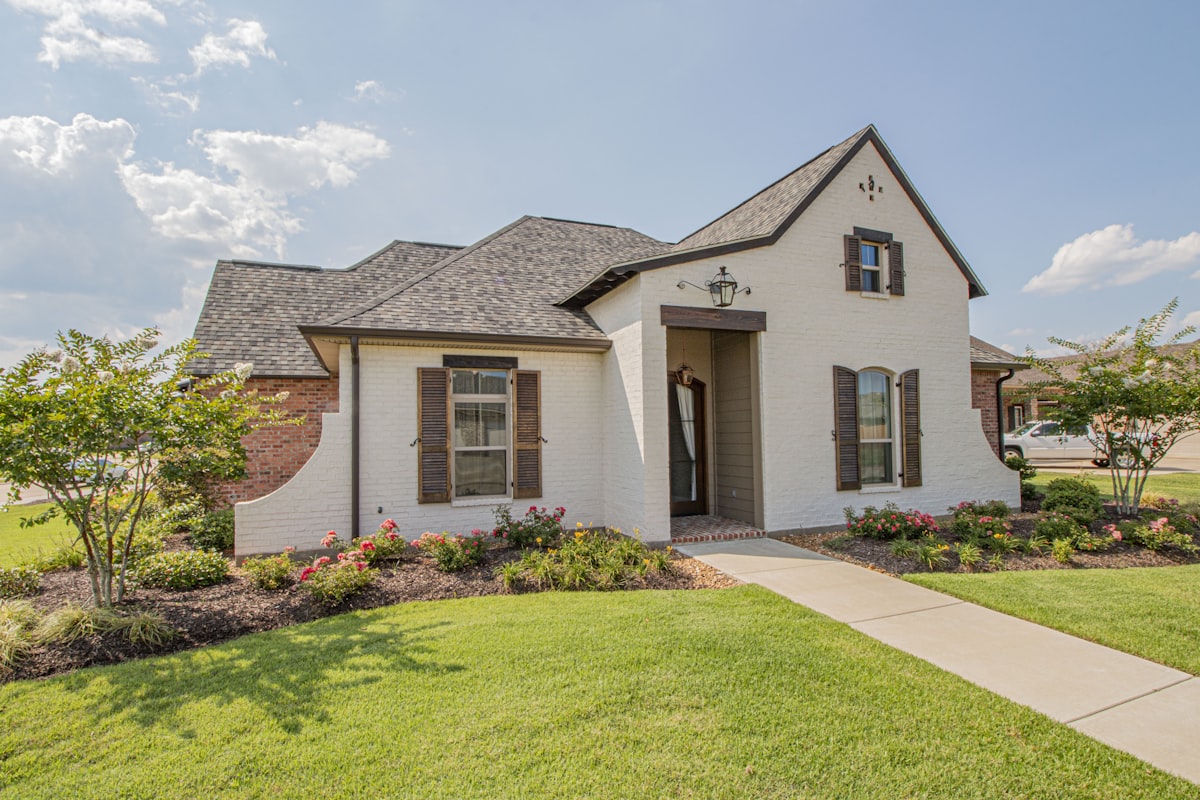
Barefoot Resort Roofing: North Myrtle Beach Golf Community Guide
Barefoot Resort roofing guide from a North Myrtle Beach roofer. Neighborhood-by-neighborhood breakdown of Dye Estates, Leatherleaf, Tanglewood, Willow Bend, and more. ARC approval process, 10-25 year roof age challenges, stormwater concerns, and best materials for this golf resort community. Call (843) 877-5539.