What goes wrong
Six kinds of siding damage, and the repair for each
On the coast, wind, salt air, sun and humidity all work on siding. For each kind of damage, this is what you see from the yard, why it happens, and what the repair is, with the manufacturer or industry source behind it.
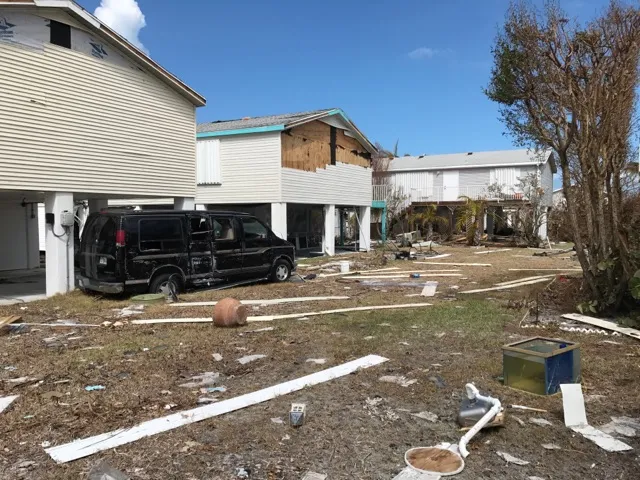
Panels blown off or unlocked by wind
What you see: A strip of bare house wrap or sheathing after a storm, a panel hanging loose, or a row that has popped out of the lock below it.
Why: Vinyl panels hang on nails and lock into the panel below. The Vinyl Siding Institute warns that a starter strip not matched to the siding's lock can let the bottom course blow off, and that siding made for high-wind areas usually has a reinforced (double or rolled-over) nail hem.
The repair: Check the panels on either side of the gap, then lock new panels into place course by course and nail them so they can still move. Where a whole run blew off at the bottom or under a window, the starter strip or trim detail is checked, not only the panel.
Cracks and holes in vinyl
What you see: A split along a panel, a punched hole from flying debris or hail, or a corner post knocked in by a ball or a mower stone.
Why: Flying debris, hail and knocks from yard work can crack or hole a vinyl panel. The siding industry's installation manual treats a damaged panel as something to replace, and shows how.
The repair: Vinyl is repaired by replacing the panel. A zip tool unlocks the panel above, the nails come out of the damaged panel, the new panel locks on and is nailed, and the upper panel is zipped back over it. A damaged corner post is cut away and a new face is fitted over the old nail hem, as the Vinyl Siding Institute manual shows.
Wavy or buckled vinyl
What you see: Panels that ripple or bow outward, usually on a sunny wall, sometimes with panels pulled out of their locks.
Why: Vinyl moves with temperature. The Vinyl Siding Institute says it can expand and contract half an inch or more over a 12 foot 6 inch panel, and that nailing it tight makes it buckle when temperatures change.
The repair: Re-hang the panels with nails centred in the slots and about 1/32 inch (the thickness of a dime) left between the nail head and the vinyl, so the panel can slide. Badly distorted panels are replaced.
Melted or warped vinyl
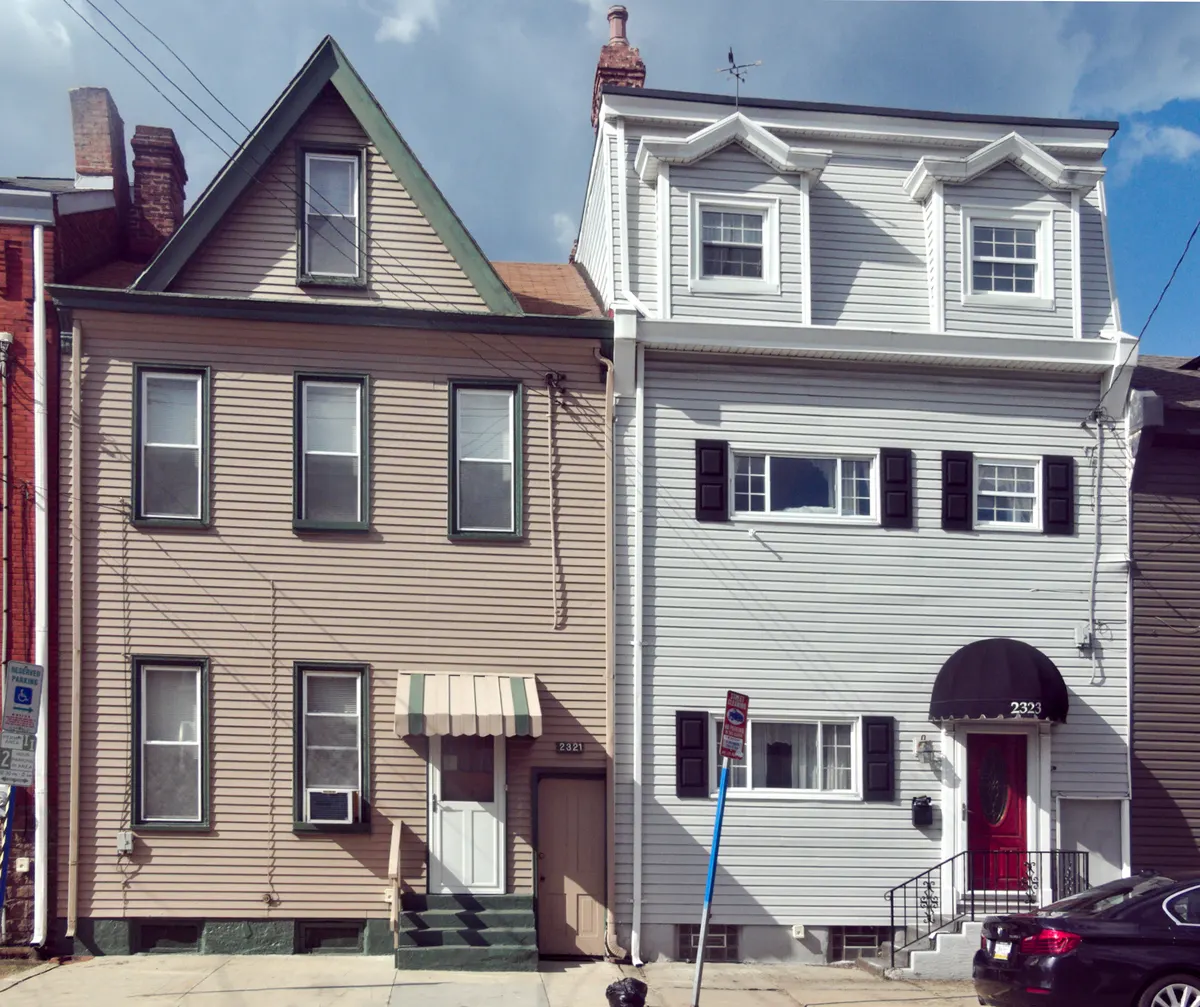
What you see: A patch of siding that looks melted or sagging, often across from a neighbour's window or near your own windows.
Why: The siding industry's own association says concentrated sunlight reflected from energy-efficient (low-e) windows can heat vinyl enough to melt the surface. It calls this uncommon but real.
The repair: Replace the distorted panels and, before they go up, deal with the cause. The association's advice is to block the path of the sunlight with landscaping or sunshades above the window; otherwise the new panels can warp in the same place.
Cracks, chips and dents in fiber cement (Hardie)
What you see: A chipped board edge, a crack from an impact, a dent from hail or debris, or paint worn through at a cut edge.
Why: A sharp hit from debris or hail can crack or chip a board. James Hardie's installation instructions call for every field-cut edge to be caulked, painted or primed, so an edge left bare is a weak spot.
The repair: James Hardie says small cracks, chips and dents can be repaired with a cementitious patching compound, then painted. ColorPlus factory finishes are touched up sparingly with Hardie's touch-up kit; Hardie's installation instructions say large areas needing touch-up should be replaced with new boards.
Soft spots, rot or mold behind the siding
What you see: Siding that feels soft or spongy when pressed, stains bleeding through, or mildew that keeps coming back at the same spot.
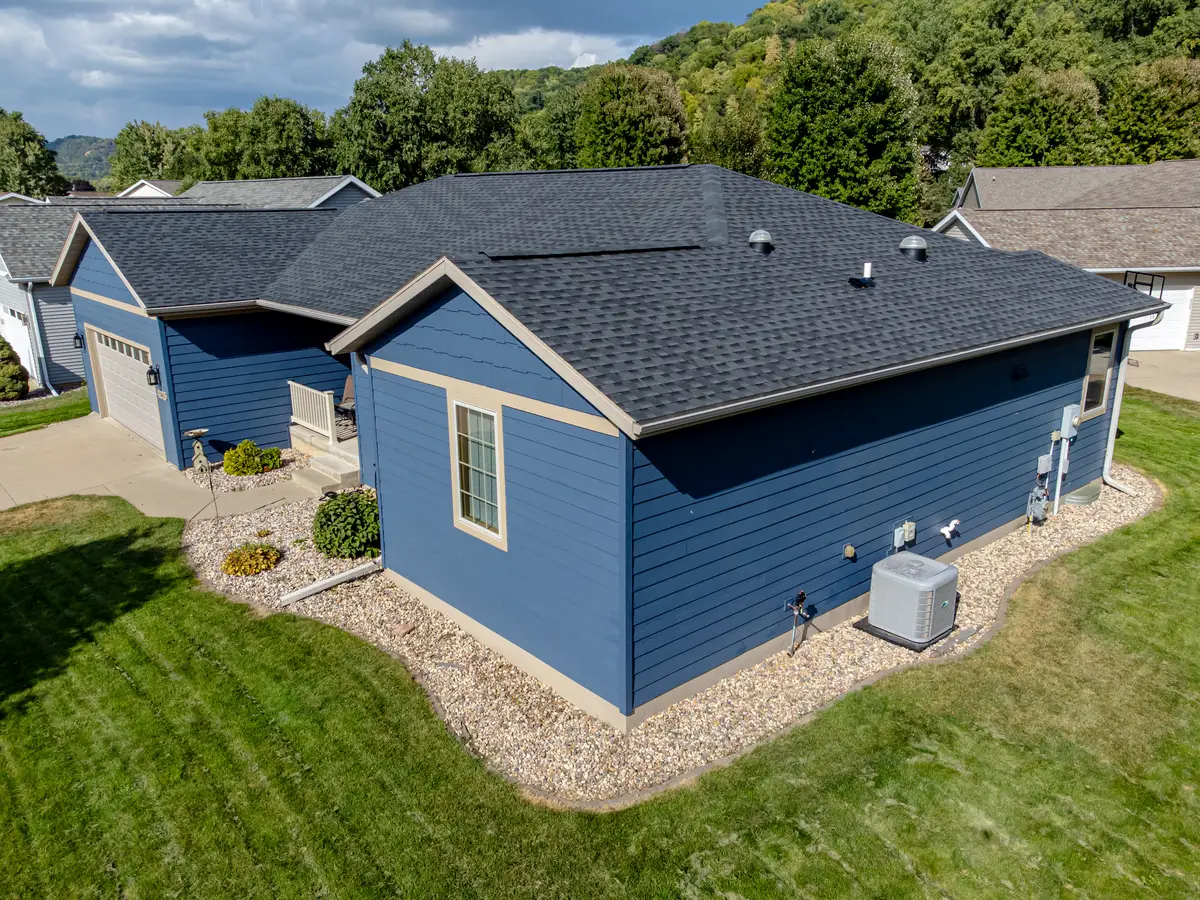
Why: Water that gets behind siding through a gap, a failed caulk joint or a loose panel soaks the sheathing. James Hardie's maintenance advice is to repair, re-caulk or replace damaged areas to stop moisture getting behind the siding and causing mold, rot or water damage.
The repair: Open the wall at the damaged area, find where the water came in, replace any rotten sheathing and the water-resistive barrier, then put the siding back. Replacing the panels alone hides the problem until it shows up inside.