
Color Selection Fundamentals
Choosing your roof color is one of the most impactful design decisions you'll make for your home. The right color enhances architectural features, complements your landscaping, and can even reduce energy costs. With roofs lasting 25-30 years, this decision deserves careful consideration.
Unlike interior paint that can be changed easily, your roof color is a long-term commitment. Consider not just current trends, but timeless appeal, neighborhood aesthetics, HOA requirements, climate factors, and future resale implications.
Professional Tip: View shingle samples on your actual roof in different lighting conditions—morning, midday, and evening. Colors appear dramatically different on small samples versus large roof planes.
Of homebuyers consider roof condition and appearance a major factor
Potential energy cost savings with cool roof technology in hot climates
Years your color choice will be visible—choose wisely
Browse Our Most Popular Shingle Colors
Explore our curated selection of GAF Timberline HDZ shingle colors organized by style category. Filter by Traditional, Modern, Coastal, or Premium to find colors that match your vision.

Charcoal Black
Timeless elegance, works with any architectural style, hides dirt well
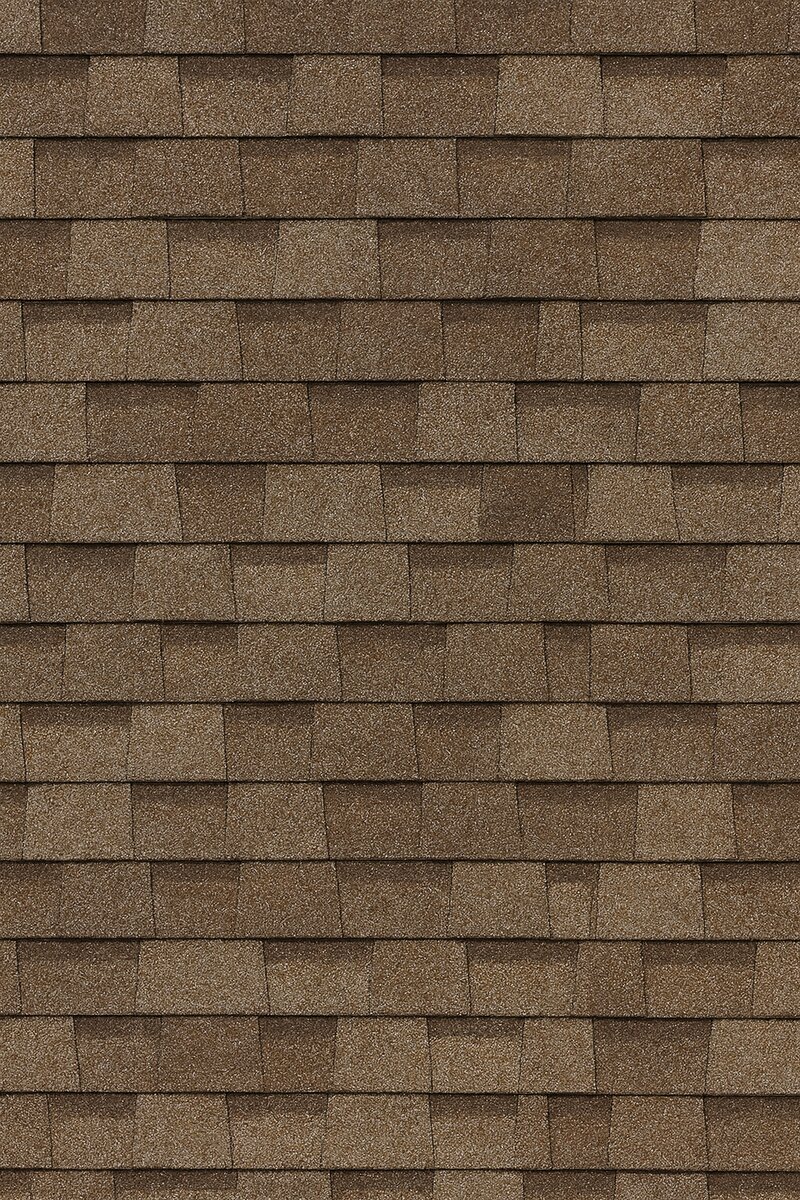
Weathered Wood
Natural wood-shake appearance, warm and inviting, complements earth tones
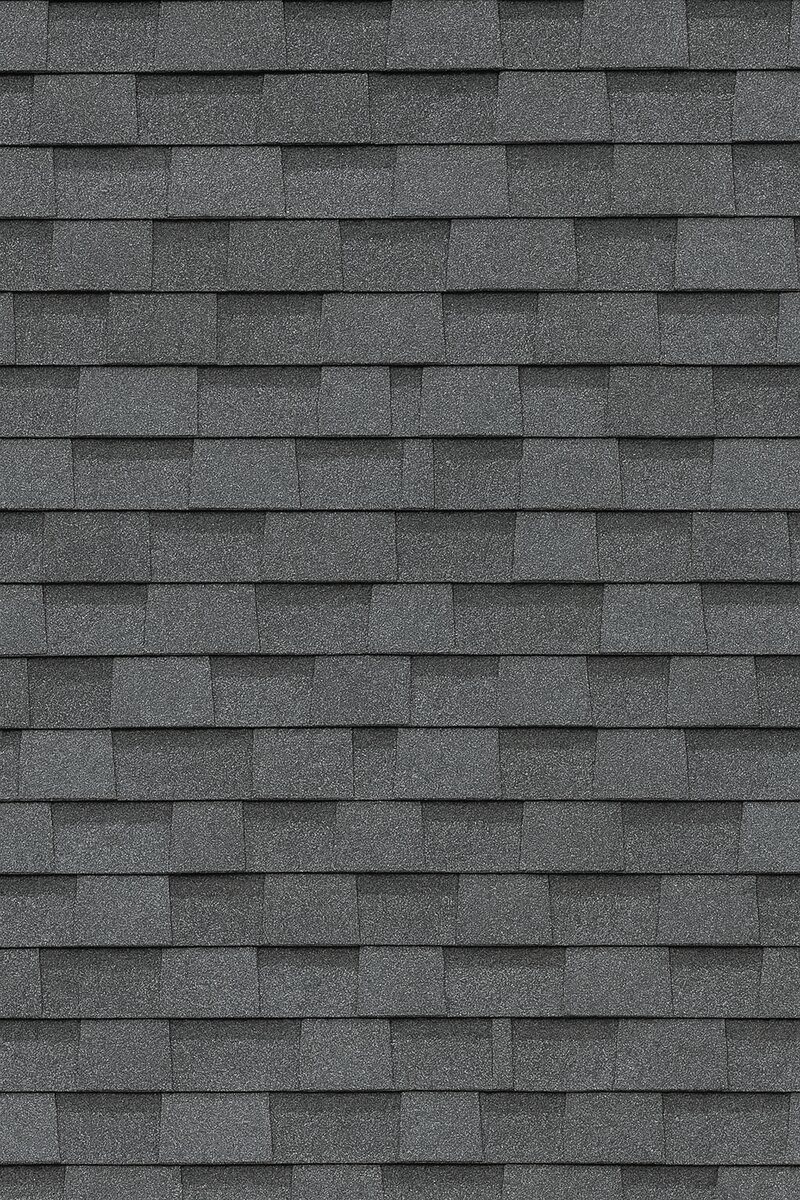
Slate Gray
Sophisticated neutral, pairs well with brick and stone
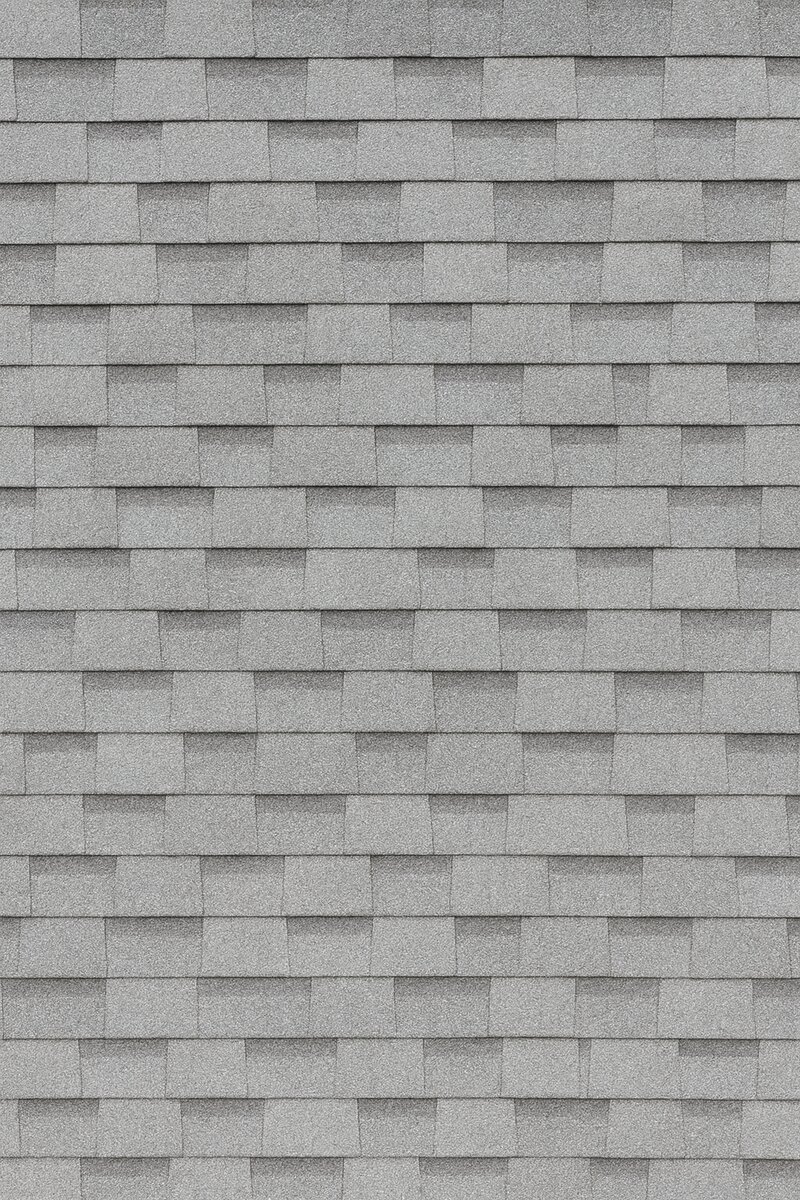
Pewter Gray
Light gray with subtle undertones, brightens darker homes
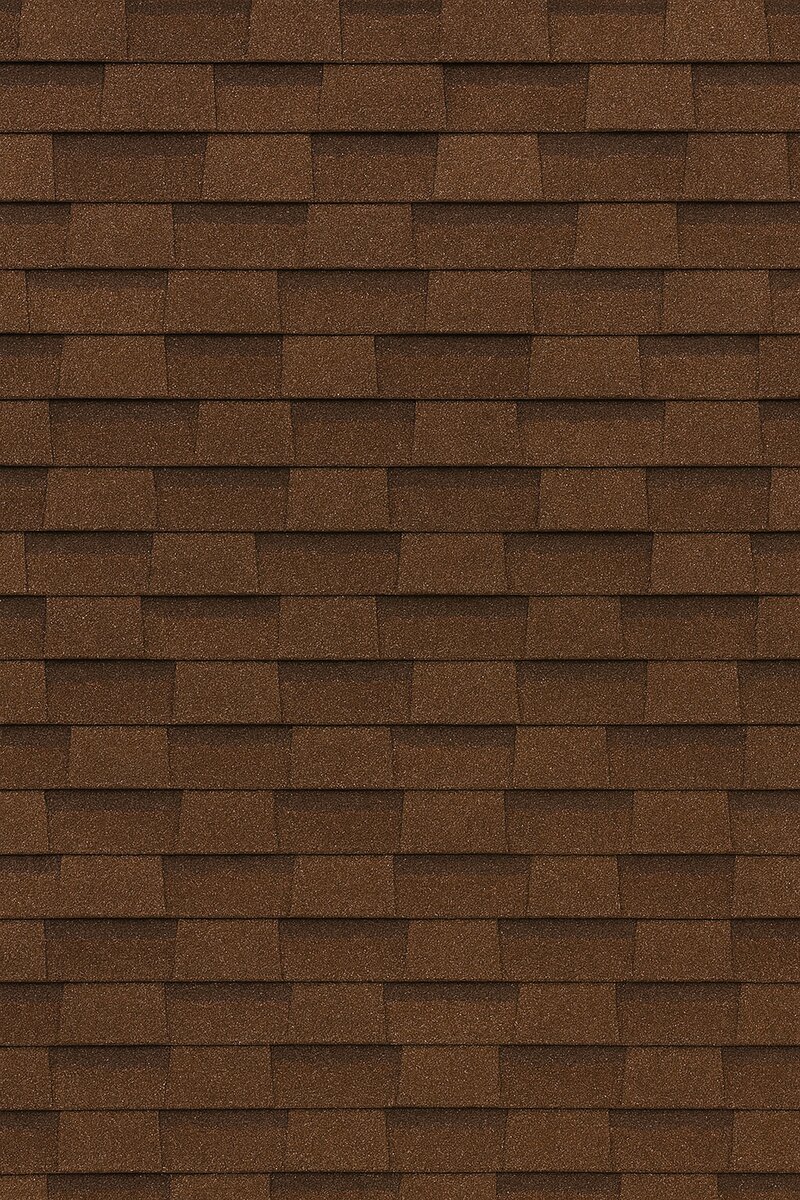
Mission Brown
Rich chocolate brown, Mediterranean-inspired, energy efficient
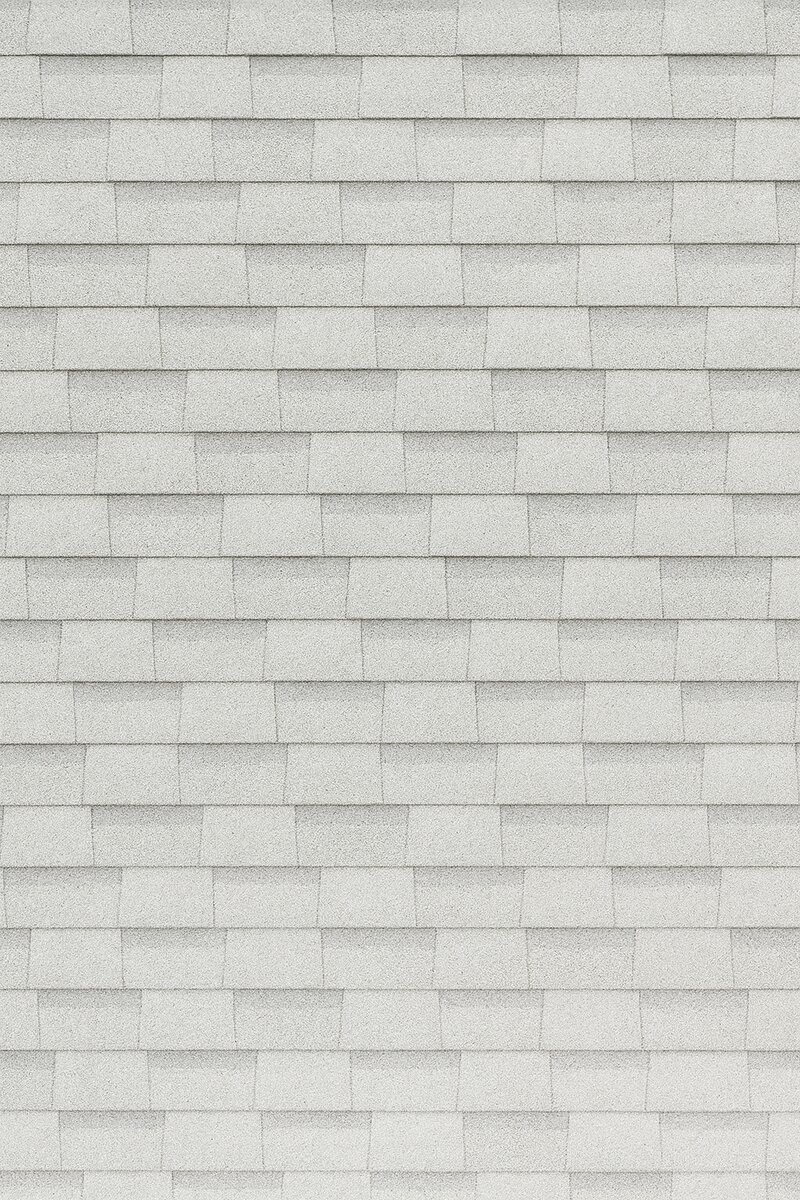
Oyster Gray
Contemporary light gray, reflects heat, modern farmhouse favorite
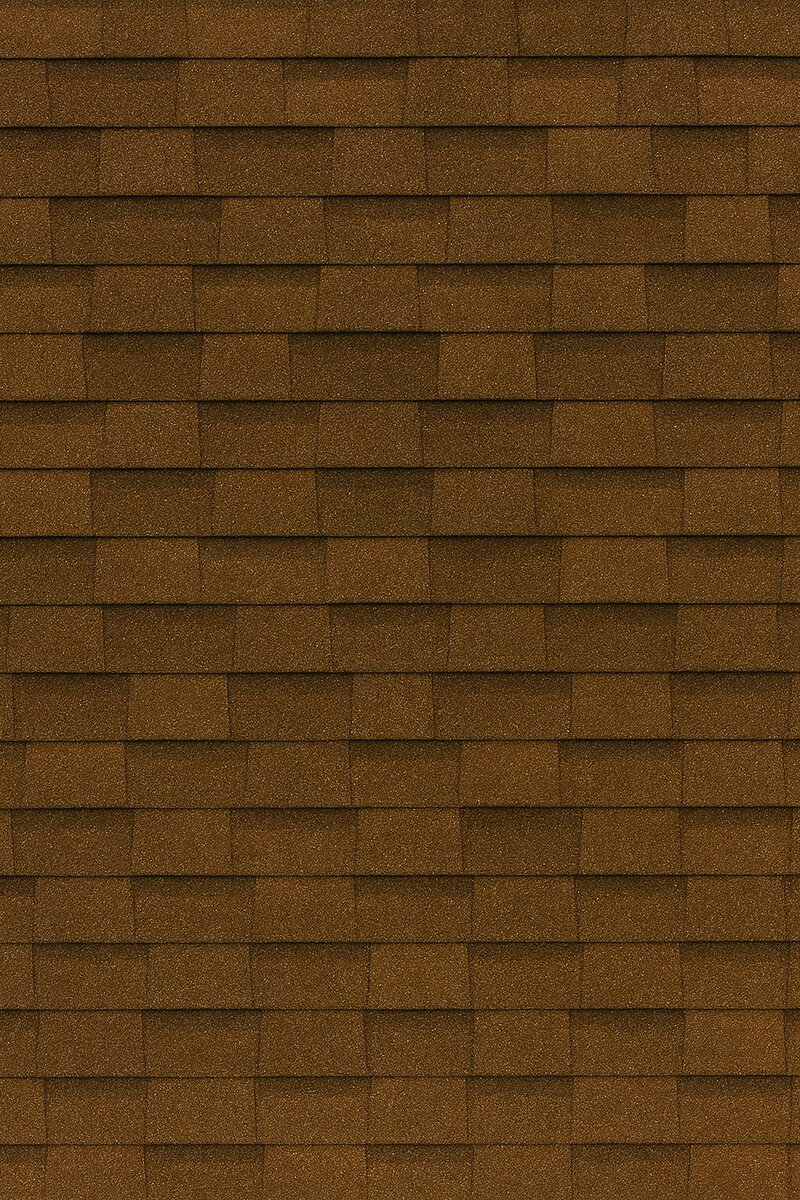
Aged Bronze
Warm metallic tones, unique character, trending in modern design
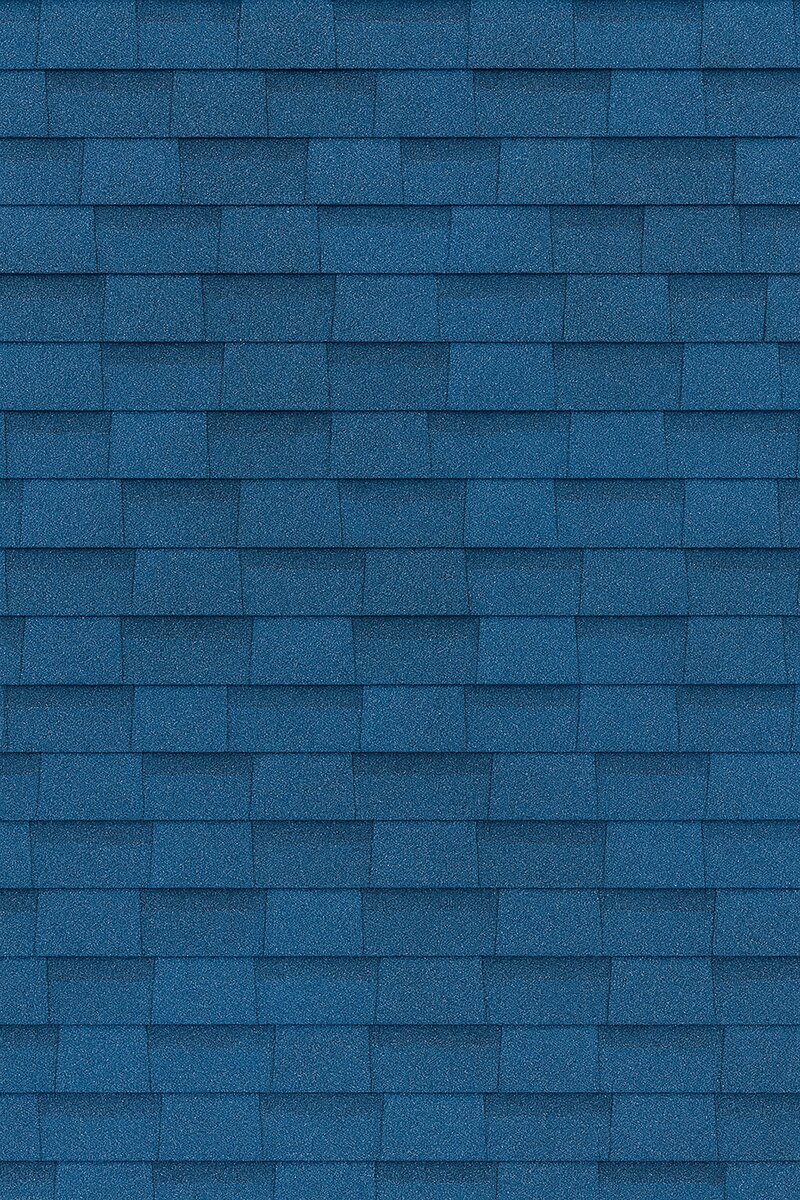
Steel Blue
Bold contemporary choice, complements modern siding
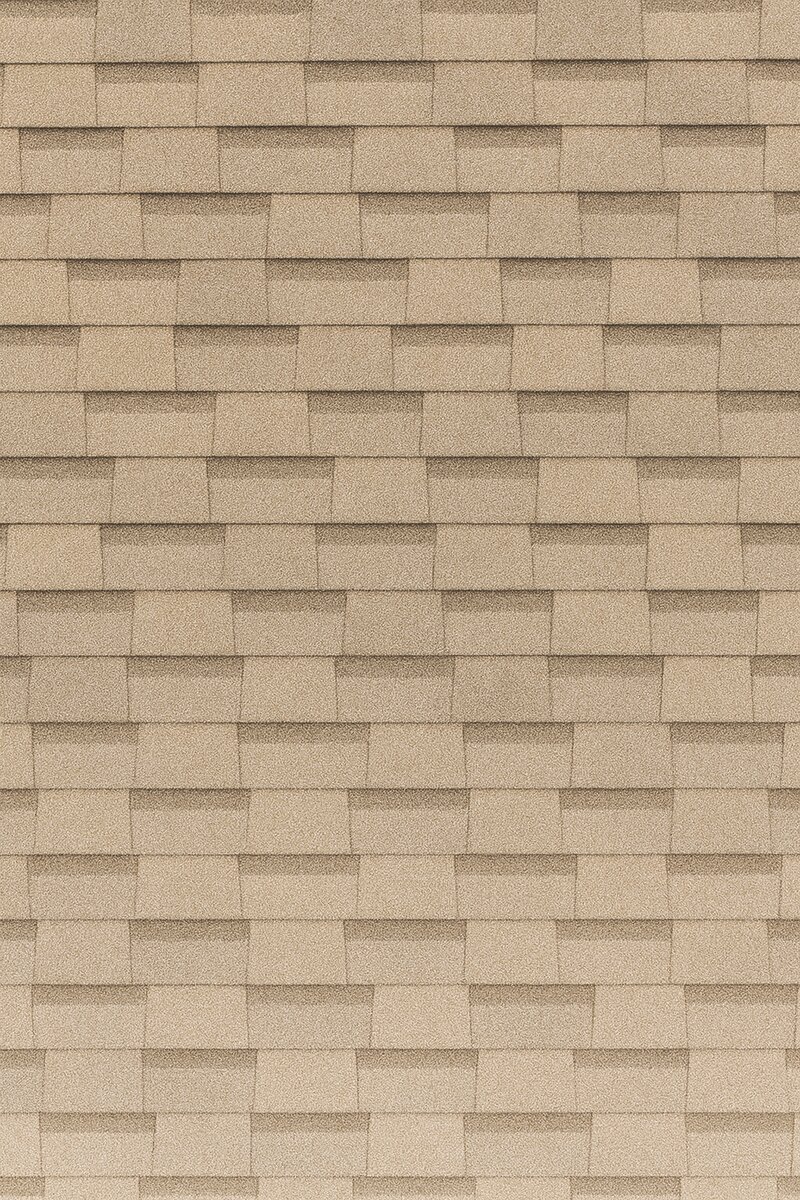
Driftwood
Sandy beige-gray, perfect for beach homes, reflects sunlight
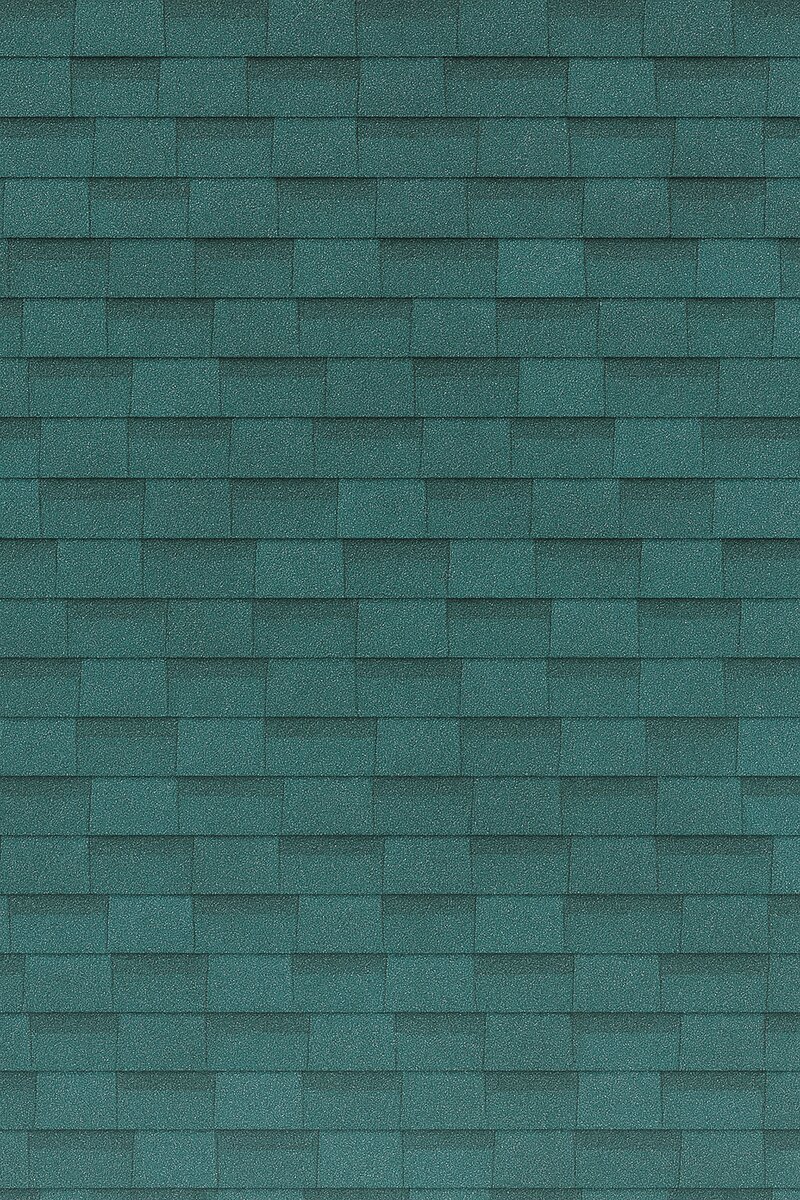
Weathered Teal
Ocean-inspired blue-green, unique coastal aesthetic
Sand Dune
Soft tan, blends with coastal environments, energy efficient
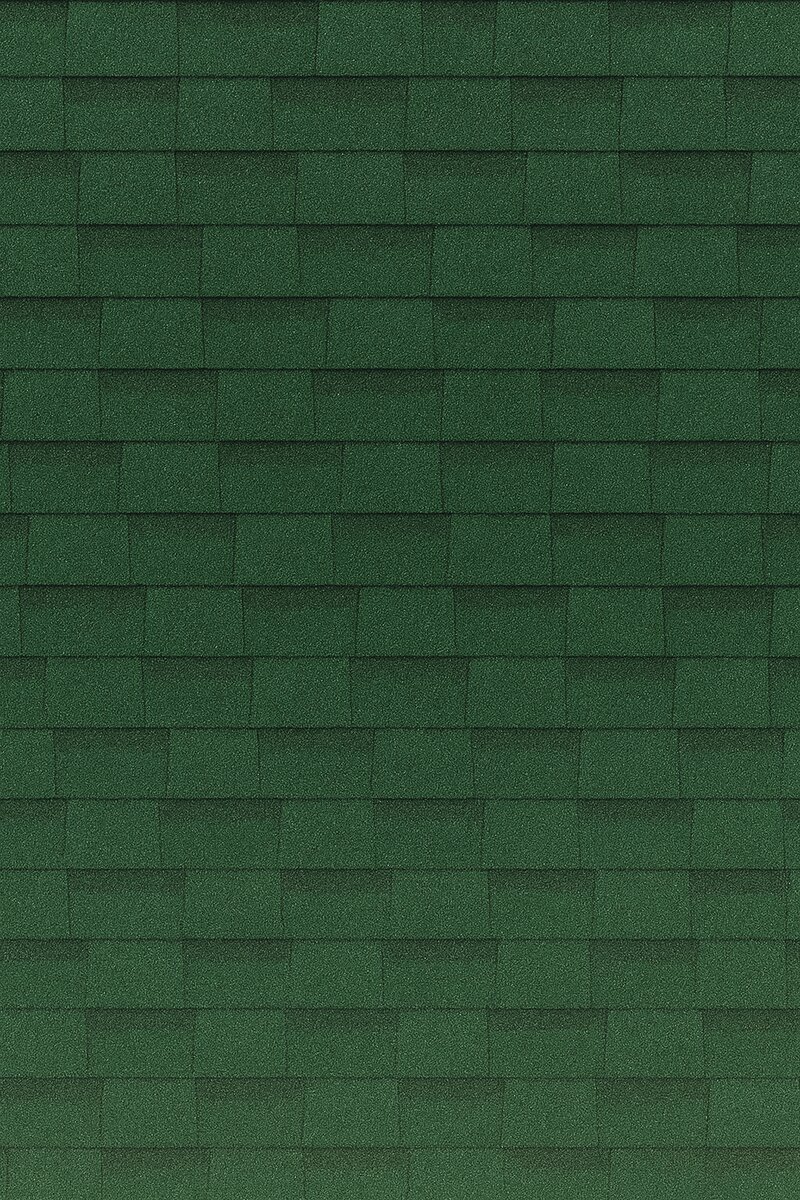
Hunter Green
Luxury forest green, complements stone and brick, distinctive curb appeal
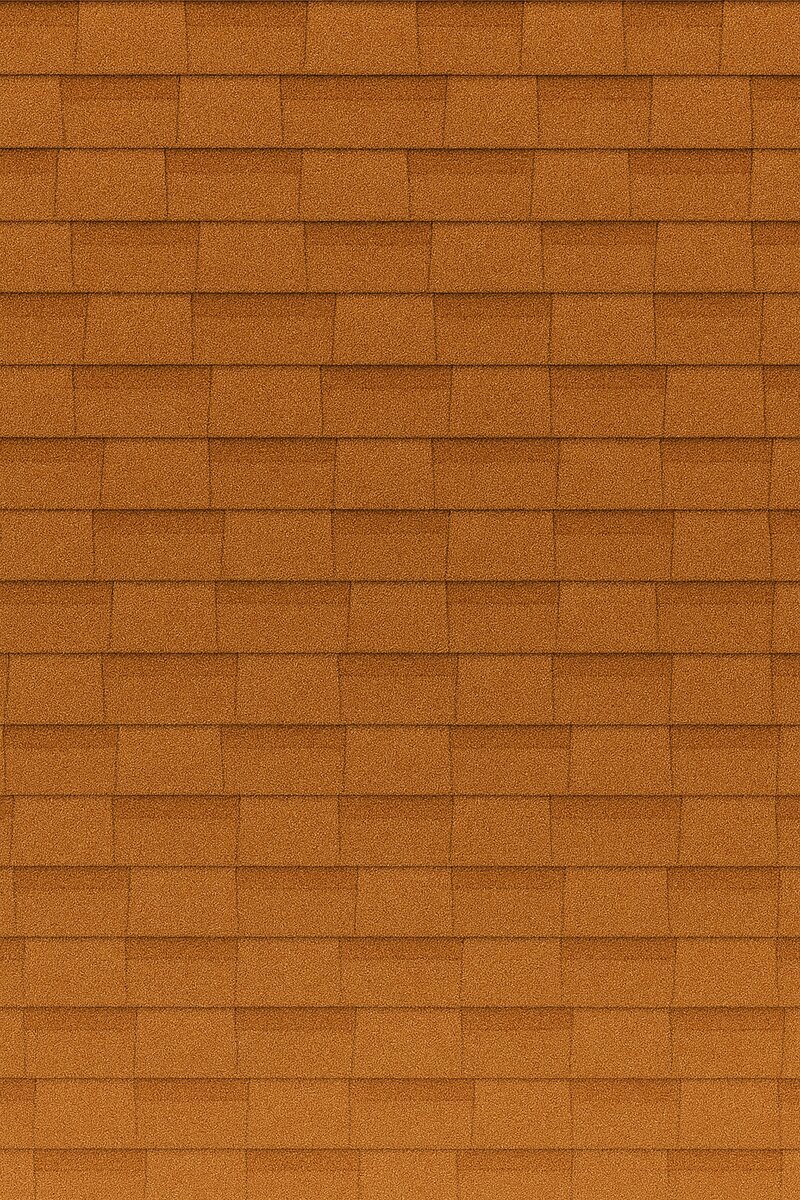
Copper Penny
Metallic copper tones, premium architectural statement
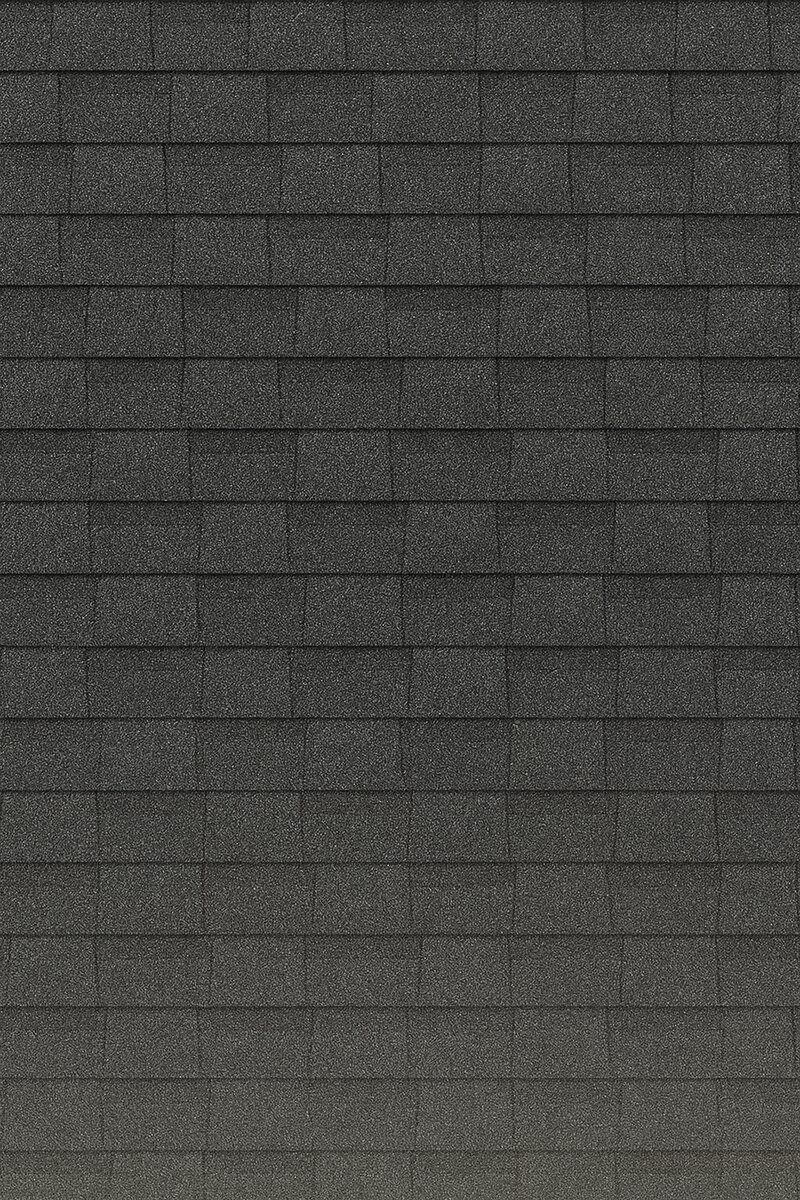
Estate Gray
Deep sophisticated gray, high-end appearance, luxury homes
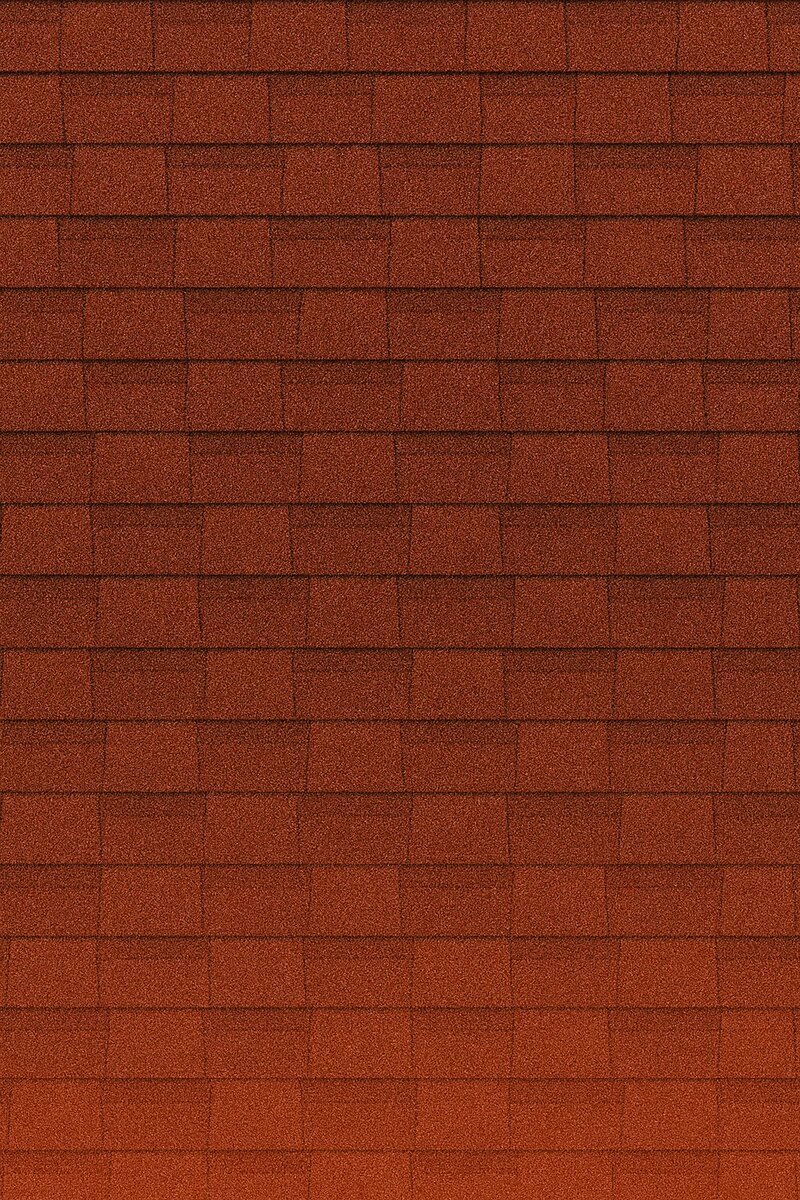
Aged Redwood
Rich reddish-brown, rustic elegance, natural wood aesthetic
Need help choosing the perfect color?
Our roofing experts can provide free color samples and professional recommendations based on your home's style.
Call (843) 877-5539 for Free SamplesColor Psychology: What Your Roof Color Says
Color psychology influences how people perceive your home. Understanding the emotional and practical associations with different colors helps you make an informed decision.
Black & Charcoal
Psychology: Sophistication, timeless elegance, formality.
Best For: Colonial, traditional, and contemporary homes.
Considerations: Absorbs heat (hotter attics), shows fading over time, universal appeal for resale.
Gray Tones
Psychology: Modern, neutral, sophisticated, calm.
Best For: Modern farmhouse, contemporary, transitional styles.
Considerations: Highly versatile, complements most exteriors, trending in 2025, good heat reflection.
Brown & Earth Tones
Psychology: Warmth, natural, organic, stability.
Best For: Craftsman, ranch, Mediterranean, rustic styles.
Considerations: Complements brick and stone, hides dirt well, warm appearance year-round.
Green Tones
Psychology: Natural, harmonious, unique, eco-conscious.
Best For: Homes in wooded settings, craftsman, cottage styles.
Considerations: Blends with landscape, distinctive choice, limited resale appeal.
Blue Tones
Psychology: Calm, coastal, contemporary, bold statement.
Best For: Beach homes, modern architecture, Victorian styles.
Considerations: Unique aesthetic, regional appeal (coastal), complement carefully with siding.
Matching Colors to Architectural Styles
Certain roof colors naturally complement specific architectural styles. While personal preference is important, these pairings enhance your home's authentic character.
Traditional Styles
Contemporary Styles
Energy Efficiency: How Color Affects Your Bills
Roof color significantly impacts your home's energy efficiency. Understanding the thermal properties of different colors helps you make climate-appropriate choices.
Best Colors for Hot Climates
In southern states with hot summers, light-colored or "cool roof" shingles can reduce attic temperatures by 20-40°F and cooling costs by 10-20%.
- ✓ Light gray or white (best reflection)
- ✓ Tan, beige, or sand tones
- ✓ Cool-rated dark colors with reflective granules
- ✓ Energy Star certified shingles
Best Colors for Cold Climates
In northern states, dark-colored roofs absorb solar heat, helping melt snow, reduce ice dams, and provide passive heating benefits.
- ✓ Black or charcoal (best absorption)
- ✓ Dark brown or weathered wood
- ✓ Dark gray or slate
- ✓ Medium tones for balanced performance
Cool Roof Technology: Best of Both Worlds
Modern "cool roof" shingles use specially coated granules to reflect infrared radiation while maintaining your desired color. This technology allows dark-colored roofs to perform more like light-colored ones.
Heat reduction vs standard dark shingles
Potential annual cooling savings
Federal tax credit available
2025 Roof Color Trends
Roof color trends reflect broader design movements toward natural materials, energy efficiency, and timeless aesthetics that resist dating.
🔥 #1: Multi-Tonal Blends
Shingles with multiple color variations create dimensional appearance, adding depth and visual interest. Replaces solid flat colors.
📈 #2: Cool Grays
Light to medium gray tones dominate modern farmhouse and contemporary styles. Versatile, timeless, and energy-efficient.
🌳 #3: Natural Wood Tones
Weathered wood and aged cedar shingles satisfy desire for organic, authentic materials without wood maintenance.
☀️ #4: Energy Star Colors
Growing demand for cool roof technology in all color families as homeowners prioritize sustainability and energy savings.
🎨 #5: Metallics
Copper, bronze, and aged metallic tones add premium character to luxury homes, trending in high-end neighborhoods.
🏖️ #6: Coastal Neutrals
Driftwood, sand, and weathered teal gain popularity in coastal and lakefront properties, blending with natural surroundings.
Expert Selection Tips: Making the Final Decision
After narrowing your choices, use these professional strategies to make a confident final decision.
1. Order Physical Samples (Essential!)
Never select color from screens alone. Request full-size shingle samples from your contractor. Place them on your roof in different areas and view throughout the day. Colors change dramatically in different lighting.
2. Consider Fixed Elements First
Your roof must work with permanent features: brick color, stone accents, neighborhood aesthetic. List all fixed elements before choosing. The roof should complement—not compete with—these elements.
3. Drive Your Neighborhood
Notice which roof colors stand out positively vs negatively. Look for homes similar to yours. Take photos of colors you like. This real-world research is invaluable.
4. Use Digital Visualization Tools
Many manufacturers offer color visualization software. Upload your home's photo and "try on" different colors. While not 100% accurate, this helps eliminate unlikely choices quickly.
5. Think Long-Term
Trendy colors may date your home. Neutral tones offer broader appeal for resale. Remember, you'll see this color daily for 25-30 years. When in doubt, choose timeless over trendy.
6. Check HOA Requirements
If you have an HOA, get approved colors in writing before selecting. Many HOAs have pre-approved palettes. Avoid costly mistakes by confirming requirements early.
Ready to Choose Your Perfect Roof Color?
Weather Shield Roofing offers free in-home color consultations with physical samples. We'll help you select a color that enhances your home's beauty, fits your climate, and stays within your budget.