
Wind Damaged Roof: How to Identify, Document & Repair Wind Damage (2025)

Shocking Industry Truth
After a major storm, one of the first questions homeowners ask is: does my roof have wind damage? Wind damage is one of the most common—and most underestimated—causes of roof failure, often invisible from the ground yet capable of causing thousands of dollars in damage if left unaddressed.
Unlike a fallen tree or obvious hole, wind damage can be subtle: lifted shingles that resettled, broken seals that aren't visible, or structural stress that weakens your roof's integrity over time. In coastal South Carolina, where we regularly experience tropical storms and hurricanes, understanding wind damage is essential for every homeowner.
This comprehensive guide covers everything about wind damaged roofs: how to identify damage on different roofing materials, what wind speeds cause damage, how to document for insurance claims, repair vs. replacement decisions, costs, and the steps to take immediately after a windstorm.
Ready to Protect Your Investment?
Schedule your free roof inspection today. No obligations, just peace of mind.
What Wind Speeds Cause Roof Damage?
Not all wind causes roof damage—but you might be surprised at how low the threshold is. Here's what different wind speeds can do to your roof:
| Wind Speed | Classification | Potential Roof Damage |
|---|---|---|
| 45-57 mph | Strong/High Wind | Loose or damaged shingles may lift; minor damage to aged roofs |
| 58-74 mph | Damaging Wind | Shingles lift and tear; flashing damage; some shingles blow off |
| 74-95 mph | Category 1 Hurricane | Significant shingle loss; exposed decking; some structural damage |
| 96-110 mph | Category 2 Hurricane | Major shingle loss; decking damage; potential roof failure at edges |
| 111-129 mph | Category 3 Hurricane | Severe damage; large sections lost; structural damage likely |
| 130+ mph | Category 4-5 Hurricane | Catastrophic damage; complete roof loss possible |
2024-2025 Storm Season Impact
The 2024 Atlantic hurricane season was above average with 18 named storms. South Carolina experienced multiple tropical systems, with peak wind gusts exceeding 70 mph in several coastal areas. Even "minor" tropical storms can cause significant roof damage, particularly to older roofs or those with pre-existing issues.
Why Wind Damage Isn't Always Obvious
Wind doesn't damage roofs uniformly. Several factors create "weak points" where damage concentrates:
- Edges and corners: Wind creates uplift pressure at roof edges—damage often starts at eaves, rakes, and ridges
- Roof-to-wall transitions: Where roof meets walls, wind can peel back flashing and shingles
- Penetrations: Vents, chimneys, and skylights create turbulence that concentrates stress
- Hip and ridge lines: These high points experience maximum wind exposure
- Windward side: The side facing the wind direction takes the brunt of damage
The "Peeling" Effect
Wind damage typically starts at edges and "peels" inward. If wind lifts a shingle at the edge, it exposes the next shingle to direct uplift force, creating a chain reaction. This is why edge damage often leads to widespread shingle loss if not addressed quickly.
How to Identify Wind Damage on Asphalt Shingles
Asphalt shingles are the most common roofing material and show distinctive wind damage patterns. Here's what to look for:
Visible Signs of Wind Damage
1. Missing Shingles
The most obvious sign—bare spots where shingles have completely blown off, exposing the underlayment or decking beneath. Even one missing shingle creates a water entry point.
2. Lifted or Curled Shingles
Shingles that appear raised, curled at edges, or "flapping" in the wind. Even if they resettled flat, the seal is likely broken and they'll blow off in the next storm.
3. Creased or Folded Shingles
Shingles with a visible crease line where wind folded them back. The crease weakens the shingle structurally and breaks the waterproof integrity.
4. Torn Shingles
Shingles with pieces torn away, often in triangular patterns. Wind can rip shingles apart, especially at nail lines or areas weakened by age.
5. Exposed Nail Heads
When the shingle above lifts, it can expose the nails holding the shingle below. Exposed nails are leak points and indicate the seal strip has failed.
6. Granule Loss in Patterns
Wind-driven rain and debris scour granules from shingles. Look for bare patches, especially on the windward side or at exposed edges.
Hidden Wind Damage (Not Visible from Ground)
The Most Dangerous Damage Is What You Can't See
These types of wind damage are often invisible from the ground but cause serious problems:
- Broken seal strips: Wind can break the adhesive seal between shingles without visibly lifting them—they'll blow off in the next storm
- Loosened nails: Wind stress can back nails out partially, reducing holding power by 50% or more
- Compromised underlayment: If shingles lifted even temporarily, rain may have penetrated to the underlayment
- Flashing separation: Metal flashing can pull away from walls or roof penetrations without obvious visual signs
The Seal Strip Test
Professional inspectors use this test to check for hidden wind damage:
- Gently lift the edge of a shingle tab
- A properly sealed shingle should resist lifting and "snap" back down
- If it lifts easily with no resistance, the seal is broken
- Check multiple shingles across different roof areas
- Pay special attention to edges, ridges, and the windward side
Wind Damage on Other Roofing Materials
Different roofing materials show wind damage differently:
Metal Roofing Wind Damage
Metal roofs are highly wind-resistant (most rated for 140+ mph) but can still sustain damage:
- Lifted panels: Panels pulled up from the decking, especially at edges
- Seam separation: Standing seam connections pulled apart
- Fastener failure: Screws backed out or pulled through panels
- Denting: From wind-driven debris impact
- Panel "oil canning": Waviness from stress during high winds
- Flashing displacement: Trim and flashing blown loose
Tile Roofing Wind Damage
Clay and concrete tiles are heavy but can still be damaged by high winds:
- Cracked tiles: Wind-borne debris or tiles impacting each other
- Displaced tiles: Tiles shifted out of position, exposing underlayment
- Broken fasteners: Clips or nails failed, leaving tiles unsecured
- Missing tiles: Complete tile loss, especially at ridges and edges
- Underlayment exposure: Tiles intact but shifted enough to expose gaps
Flat Roof Wind Damage
TPO, EPDM, and built-up roofs show different wind damage patterns:
- Membrane billowing: Wind gets under membrane, causing bubbling or billowing
- Edge separation: Membrane pulled away from parapet walls or edges
- Seam failure: Welded or adhered seams pulled apart
- Punctures: Wind-driven debris piercing the membrane
- Flashing failure: Metal edge flashing blown off or bent
- Insulation displacement: On mechanically attached systems, wind can shift insulation boards
Wind Rating by Roofing Material
- Asphalt shingles: 60-130 mph (varies by class; Class H = 150 mph)
- Metal roofing: 110-160+ mph (standing seam highest rated)
- Clay/Concrete tile: 125-150 mph when properly installed
- TPO/EPDM: 100-140 mph depending on attachment method
- Slate: 110-150 mph (heavy, but can crack from debris)
Secondary Damage: What Wind Damage Leads To
Wind damage rarely stays contained. Initial damage quickly leads to secondary problems that multiply repair costs:
Water Infiltration
The most immediate concern after wind damage:
- Attic water damage: Water entering through gaps damages insulation, wiring, and stored items
- Ceiling stains: Water traveling along rafters causes stains far from the entry point
- Mold growth: Moisture in attic spaces creates mold within 24-48 hours
- Deck rot: Exposed decking absorbs water and begins rotting quickly
- Interior damage: Drywall, paint, flooring, and personal property damage
The 48-Hour Rule
Mold can begin growing within 24-48 hours of water intrusion. If wind damage has allowed water entry, time is critical. Document the damage immediately and get temporary repairs (tarping) in place as soon as safely possible.
Structural Compromise
Wind can stress the entire roof structure:
- Truss/rafter damage: Extreme wind can crack, split, or shift structural members
- Deck separation: Plywood or OSB sheathing can lift from rafters
- Ridge damage: The ridge board can shift, affecting the entire roof geometry
- Connection failure: Hurricane straps or toe-nails can fail, compromising roof-to-wall connection
Cascading Damage
Initial damage makes subsequent storms more damaging:
- Missing shingles expose more shingles to uplift
- Broken seals on surrounding shingles spread outward
- Water-damaged decking loses nail-holding capacity
- Damaged flashing allows more water entry with each rain
- What was a $2,000 repair becomes a $15,000+ problem after the next storm
Documenting Wind Damage for Insurance Claims
Proper documentation is essential for successful insurance claims. Here's how to document wind damage effectively:
Immediate Documentation (Day of Storm)
- Photograph everything visible from ground level—missing shingles, debris, damaged areas
- Take wide shots and close-ups—show context and detail
- Document the date and time—timestamps on photos are valuable
- Photograph debris in your yard—shingles, flashing, etc. before cleanup
- Document any interior damage—water stains, leaks, wet insulation
- Save weather reports—document the storm that caused damage
Professional Inspection Documentation
Have a professional roofer document:
- Detailed roof photos: Every damaged area photographed from multiple angles
- Damage diagram: Sketch showing location of all damage on roof
- Written assessment: Description of damage type, extent, and cause
- Measurement of affected areas: Square footage of damage for repair estimates
- Material identification: Type, brand, and age of existing roofing
What to Tell Your Insurance Company
DO Say:
- "My roof was damaged in the [date] windstorm"
- "I have photos documenting the damage"
- "I've had a professional inspection"
- "I need to file a claim for wind damage"
DON'T Say:
- "My roof was already old" (implies pre-existing condition)
- "I'm not sure when it happened" (weakens storm correlation)
- "It's just a few shingles" (minimizes legitimate damage)
- "I did some repairs myself" (before documenting original damage)
Insurance Claim Timeline
- Immediately: Document damage, prevent further damage (tarping)
- Within 24-48 hours: File claim with insurance company
- Within 1 week: Get professional inspection and detailed estimate
- Before adjuster visit: Have your contractor's documentation ready
- During adjuster visit: Walk the roof with adjuster if possible (or have contractor present)
Emergency Repairs After Wind Damage
Immediate action prevents secondary damage. Here's what to do right after a windstorm damages your roof:
Step 1: Safety First
Do NOT Go On Your Roof After a Storm
- Roof may be structurally compromised
- Wet surfaces are extremely slippery
- Downed power lines may not be visible
- Additional storms may be approaching
- Professionals have proper safety equipment
Step 2: Interior Protection
If water is entering your home:
- Place buckets or containers under active leaks
- Move furniture and valuables away from affected areas
- Put plastic sheeting over items that can't be moved
- Turn off electricity to affected areas if water is near outlets
- Document everything with photos before moving
Step 3: Emergency Tarping
Professional emergency tarping protects your home until permanent repairs:
What Professional Tarping Includes:
- Heavy-duty UV-resistant tarps (not hardware store blue tarps)
- Proper securing with wood battens and screws (not just weights)
- Coverage extending well beyond damaged area
- Sealing at edges to prevent wind infiltration
- Inspection for additional hidden damage
Insurance Covers Emergency Repairs
Most homeowner's policies cover "reasonable temporary repairs" to prevent further damage. Keep all receipts—emergency tarping costs are typically reimbursable as part of your claim. Don't skip tarping to "save money"—the secondary damage will cost far more.
Step 4: Call a Professional
After a major storm, reputable roofers get busy quickly. Call immediately to:
- Get on the schedule for inspection
- Arrange emergency tarping if needed
- Get documentation for your insurance claim
- Understand the scope of damage and repair timeline
WeatherShield Emergency Storm Response
We offer emergency tarping and storm damage assessment for Myrtle Beach and the Grand Strand. Our HAAG Certified inspectors document damage thoroughly for insurance claims.
Emergency line: (843) 877-5539
Wind Damage: Repair vs. Full Replacement
Not all wind damage requires a full roof replacement. Here's how to determine the right approach:
When Repair Is Appropriate
- Localized damage: Less than 25-30% of roof affected
- Newer roof: Roof is less than 10 years old with remaining useful life
- Matching materials available: Can find shingles that match existing
- No structural damage: Decking and framing are intact
- No water infiltration: Interior shows no signs of leaks
- Isolated area: Damage concentrated in one section
When Replacement Is Necessary
- Widespread damage: More than 30-40% of roof affected
- Older roof: Roof is 15+ years old and nearing end of life
- Structural damage: Decking, rafters, or trusses compromised
- Pattern of seal failure: Shingles across roof have broken seals
- No matching materials: Discontinued shingles can't be matched
- Previous repairs: Roof has been patched multiple times
- Water damage: Evidence of leaks in attic or interior
The Insurance Factor
Insurance coverage affects the repair/replace decision:
| Policy Type | Coverage | Impact on Decision |
|---|---|---|
| RCV (Replacement Cost) | Full replacement value | Replacement often makes sense if damage is significant |
| ACV (Actual Cash Value) | Depreciated value | Repair may be better if payout is reduced |
| Limited Wind Coverage | Capped or percentage | Out-of-pocket costs affect decision |
The "Like Kind and Quality" Rule
Insurance policies require repairs to match "like kind and quality." If your 3-tab shingles are discontinued and repairs would create a patchwork appearance, insurance may cover full replacement with comparable architectural shingles. A knowledgeable contractor can help make this case to your adjuster.
Wind Damage Repair Costs (2025)
Wind damage repair costs vary widely based on extent and type of damage:
Typical Repair Costs
| Repair Type | Cost Range | Notes |
|---|---|---|
| Emergency tarping | $200-$800 | Usually covered by insurance |
| Replace few shingles (1-10) | $150-$400 | Minimum service call applies |
| Partial roof repair (1-3 squares) | $400-$1,500 | Includes matching shingles |
| Section replacement (4-10 squares) | $1,500-$4,000 | May include decking repair |
| Ridge/hip cap replacement | $300-$1,000 | Per 20-30 linear feet |
| Flashing repair | $200-$600 | Per location |
| Decking replacement | $3-$6 per sq ft | Plus shingle replacement |
| Full roof replacement | $8,000-$25,000+ | Depends on size and materials |
Factors That Increase Costs
- Steep pitch: Adds 20-30% for roofs over 7:12 pitch
- Two-story or higher: Adds 10-20% for access difficulty
- Specialty materials: Tile, slate, or metal cost more to repair
- Structural damage: Truss or rafter repairs add significantly
- Post-storm demand: Prices increase after major storms due to demand
- Matching discontinued materials: Finding matching shingles costs more
Don't Wait for "Storm Pricing" to Subside
While prices may be elevated immediately after a major storm, waiting can cost more in the long run. Secondary water damage, mold, and cascading roof damage from subsequent rains typically exceed any savings from waiting. Plus, insurance claims have time limits for filing.
Preventing Future Wind Damage
While you can't stop the wind, you can make your roof more resistant to wind damage:
Roofing Material Choices
High-Wind Rated Shingles
Look for shingles rated for 110-150 mph winds. GAF offers HDZ shingles with a 130 mph warranty; Owens Corning Duration has 130 mph rating. These cost only 10-15% more than standard shingles but significantly improve wind resistance.
Impact-Resistant Shingles (Class 4)
Class 4 rated shingles resist both wind and hail damage. They're thicker and more flexible, reducing cracking and blow-offs. Many insurers offer 10-30% premium discounts for Class 4 roofs.
Metal Roofing
Standing seam metal roofs are rated for 140-160+ mph winds. For coastal South Carolina, metal is often the best long-term choice for wind resistance, especially aluminum for salt air resistance.
Installation Techniques
- Six-nail pattern: Using 6 nails per shingle instead of 4 improves wind resistance significantly
- Starter strip: Proper starter strip at eaves and rakes prevents edge lift
- Enhanced sealing: Additional roof cement at edges and around penetrations
- Hip and ridge: High-profile hip/ridge caps better resist wind uplift
- Drip edge: Proper metal drip edge prevents wind from getting under shingles
Structural Improvements
- Hurricane straps: Metal connectors securing rafters to wall framing
- Ring-shank nails: For decking attachment—75% more holding power than smooth nails
- Thicker decking: 5/8" or 3/4" plywood provides better nail holding than 7/16" OSB
- Secondary water barrier: Peel-and-stick underlayment at deck level
FORTIFIED Roof Certification
The Insurance Institute for Business & Home Safety (IBHS) FORTIFIED program certifies roofs built to enhanced wind resistance standards. A FORTIFIED roof can qualify for significant insurance discounts (15-45% in some cases) and provides documented superior storm protection.
Regular Maintenance
- Annual inspections: Catch small problems before they become wind-vulnerable
- Replace cracked/curled shingles: Damaged shingles are first to blow off
- Secure flashing: Loose flashing is an entry point for wind
- Trim overhanging branches: Reduce debris impact and prevent damage if they fall
- Clear gutters: Clogged gutters can pull away in high winds
Avoiding Storm Chasers After Wind Damage
After major storms, "storm chasers"—out-of-state contractors who follow weather events—flood affected areas. While some are legitimate, many are not. Here's how to protect yourself:
Red Flags of Storm Chasers
Warning Signs:
- Unsolicited door-to-door contact right after a storm
- Out-of-state license plates or phone numbers
- No local business address (just a P.O. box or hotel)
- Pressure to sign a contract immediately
- Offers to waive your insurance deductible (this is illegal)
- Requests for large upfront payments
- Cannot provide local references or past work examples
- Vague or no warranty information
- Only accepts cash or unusual payment methods
How Storm Chaser Scams Work
- Inflate damage: Claim more damage than exists to boost insurance payout
- Poor quality work: Use cheap materials and untrained labor
- Disappear: Leave town before problems appear, no warranty support
- Insurance fraud: Overcharge insurance, potentially involving you in fraud
- Lien issues: Don't pay suppliers, leaving you with mechanic's liens
How to Choose a Legitimate Contractor
Verify These Items:
- SC Contractor License: Verify at llr.sc.gov
- Local address: Physical business location (not P.O. box)
- Insurance: Workers' comp and liability certificates
- Years in business: Established presence in the area
- Local references: Projects completed in your area
- Manufacturer certifications: GAF, Owens Corning, etc.
- Better Business Bureau: Check rating and complaints
- Google reviews: Look for consistent positive feedback over time
Never Sign an AOB (Assignment of Benefits)
Some contractors ask you to sign over your insurance claim rights to them (AOB). This gives them control of your claim and payment. In many cases, this leads to inflated claims, poor work, and legal complications. Work directly with your insurance company and pay contractors yourself after work is completed satisfactorily.
WeatherShield: Your Local Storm Damage Expert
WeatherShield Roofing has been serving Myrtle Beach since 2008. We're locally owned, SC licensed, and have over 81 five-star Google reviews. Our HAAG Certified inspectors provide honest assessments and work directly with your insurance company.
Call (843) 877-5539 for honest storm damage assessment.
The Cost Comparison: Maintenance vs. Neglect
Without Maintenance
- Roof lifespan: 12-15 years
- Insurance claims often denied
- Emergency repairs cost 3x more
- Property value decreases by 5-10%
- Warranty becomes void
- Total 20-year cost: $35,000+
With Regular Maintenance
- Roof lifespan: 25-30+ years
- Insurance claims approved
- Prevent costly emergencies
- Property value protected
- Full warranty coverage maintained
- Total 20-year cost: $8,000-10,000
Need a Roofer in Myrtle Beach?
Get a free estimate from Myrtle Beach's highest-rated roofer. 5.0★ with 82 reviews.
Need Professional Help?
WeatherShield Roofing is Myrtle Beach's highest-rated roofing company with a perfect 5.0-star Google rating. We can help with any roofing need:
Frequently Asked Questions
About the Author
David Karimi
Storm Damage Specialist & HAAG Certified Inspector
David Karimi is WeatherShield Roofing's Storm Damage Specialist with over 15 years of experience assessing and repairing wind-damaged roofs across coastal South Carolina. A certified insurance claim specialist and HAAG Certified Inspector, David has helped hundreds of homeowners recover from hurricane and storm damage.
The Bottom Line: Your Roof, Your Choice
Every day you wait is another day closer to that emergency call no homeowner wants to make. The statistics are clear: 80% of roofs fail prematurely, and 61% of homeowners can't afford the emergency repairs that follow.
What You Get with Weather Shield Roofing:
Don't Wait Until It's Too Late
Join thousands of smart Myrtle Beach homeowners who protect their investment with regular maintenance.
Emergency? Call our 24/7 hotline: (843) 877-5539
Our Roofing Services
Serving the Grand Strand
Weather Shield Roofing proudly serves homeowners across the Grand Strand and surrounding communities. Find your local roofing experts:
Related Articles

Hurricane Roof Damage in Myrtle Beach: What to Do First (2026 Guide)
Hurricane roof damage in Myrtle Beach? Step-by-step guide: emergency tarping, SC insurance claims, damage by hurricane category, storm chaser warnings & when to call a roofer. Call (843) 877-5539.
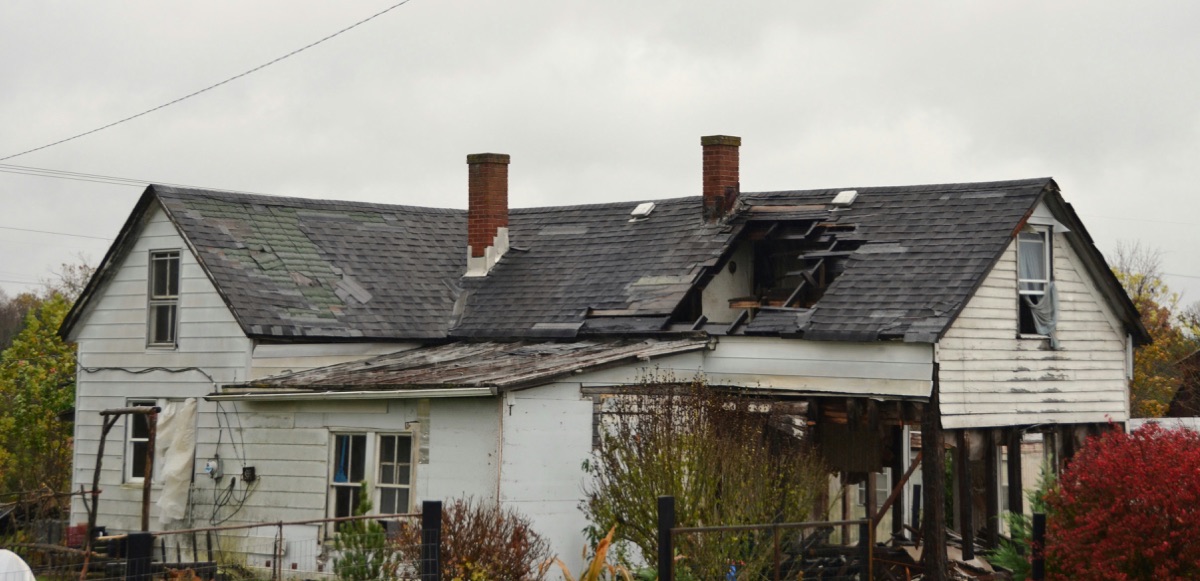
Storm Damage Roof Repair in Myrtle Beach: Complete 2026 Guide
Expert guide to storm damage roof repair in Myrtle Beach, SC. Learn what to do after hurricane, hail, or wind damage. 5.0-rated contractor. Call (843) 877-5539.

What Does Hail Damage Look Like on a Roof? Complete Visual Identification Guide (2025)
What does hail damage look like? Visual guide showing 10 signs of hail damage on asphalt shingles, metal, tile roofs. Learn when to act, how to document for insurance claims, repair costs, and Myrtle Beach hail statistics. Expert photos and timelines.