
When to Replace Your Roof: 10 Critical Signs Myrtle Beach Homeowners Can't Ignore

Shocking Industry Truth
Your roof is your home's first line of defense against Myrtle Beach's challenging coastal weather—hurricanes, salt air, relentless sun, and high humidity. But knowing when to replace your roof versus when to repair it can save you thousands of dollars and prevent catastrophic water damage.
Here's the critical reality: most coastal roofs last 20-25 years with proper maintenance, compared to 30+ years inland. Salt air corrosion, UV exposure, and storm damage significantly accelerate aging on oceanfront and near-ocean properties. Waiting too long to replace an aging roof can lead to leaks, mold growth, structural damage, and denied insurance claims.
This comprehensive guide reveals the 10 critical signs that indicate it's time to replace your roof, explains unique coastal considerations for Myrtle Beach homes, and helps you make the repair vs replace decision with confidence. Whether your roof is showing obvious damage or you're simply wondering if it's time for an upgrade, this guide provides expert insights from protecting coastal properties throughout our career.
Ready to Protect Your Investment?
Schedule your free roof inspection today. No obligations, just peace of mind.
Understanding Roof Lifespan: Coastal vs Inland Homes
Before identifying replacement signs, it's essential to understand how coastal conditions affect roof lifespan.
Typical Roof Lifespans by Material
Asphalt Shingles (Most Common)
-
•
3-Tab Shingles: 15-20 years inland, 12-18 years coastal
-
•
Architectural Shingles: 25-30 years inland, 20-25 years coastal
-
•
Premium/Impact-Resistant: 30-50 years inland, 25-40 years coastal
Metal Roofs
-
•
Steel (with coating): 40-70 years inland, 35-50 years coastal with marine-grade coating
-
•
Aluminum: 50+ years (naturally rust-resistant, ideal for coastal)
Tile & Other Materials
-
•
Concrete/Clay Tile: 50+ years both coastal and inland
-
•
Slate: 75-100+ years (premium, expensive)
Why Coastal Roofs Age Faster
Myrtle Beach's coastal environment creates unique challenges that accelerate roof aging:
1. Salt Air Corrosion
Salt particles carried by ocean breezes corrode metal components (flashing, valleys, fasteners) and deteriorate shingle adhesives faster than inland conditions. Oceanfront properties experience the most severe corrosion, but even homes 1-2 miles inland are affected.
2. Intense UV Exposure
Coastal South Carolina receives intense year-round sunlight. UV rays break down asphalt shingles' protective granules and cause brittleness. Combined with heat, this accelerates granule loss and shingle cracking.
3. Hurricane & Tropical Storm Exposure
Myrtle Beach sits in one of the most hurricane-vulnerable regions in the US. Even if your roof survives major storms, repeated exposure to 40-75 mph tropical storm winds weakens shingles, lifts edges, and creates micro-damage that accumulates over time.
4. High Humidity & Moisture
Coastal humidity promotes moss, algae, and mildew growth on shingles. These organisms trap moisture against the roof surface, accelerating deterioration. High humidity also affects adhesive seals and underlayment faster than drier climates.
5. Thermal Cycling
Daily temperature swings between hot days and cool nights cause shingles to expand and contract repeatedly. This thermal cycling weakens adhesive bonds and causes premature curling and cracking—especially on south and west-facing slopes.
💡 Key Takeaway
If your Myrtle Beach roof is approaching 20 years old (or 15 years for 3-tab shingles), schedule a professional inspection even if you don't see obvious damage. Coastal factors mean your roof may have less remaining life than you think.
10 Critical Signs It's Time to Replace Your Roof
Not sure if your roof needs replacement or just repairs? Here are the 10 most critical warning signs that indicate it's time for a complete roof replacement:
1 Your Roof is 20+ Years Old
Why It Matters: Age is the single most important factor in the replace vs repair decision. Once asphalt shingles reach 20-25 years (or 15-18 years for coastal 3-tab shingles), they've reached the end of their design life even if they look acceptable from the ground.
What to Do: If your roof is approaching this age, schedule a professional inspection before hurricane season. Even if repairs seem possible, replacement is often the smarter long-term investment.
⚠️ Insurance Consideration:
Many insurance companies require roof inspections for homes with roofs 15+ years old and may refuse coverage or charge significantly higher premiums for roofs 20+ years old. Some won't insure roofs older than 20 years at all.
2 Widespread Curling, Cupping, or Clawing Shingles
What It Looks Like:
-
•
Curling: Shingle edges turn upward, creating a wavy appearance
-
•
Cupping: Center of shingles dips down while edges remain higher
-
•
Clawing: Center rises while edges curl downward
Why It Matters: Curling indicates that shingles have lost flexibility and adhesive strength. Once shingles start curling, they're more vulnerable to wind damage, water infiltration, and complete failure.
Repair vs Replace: If curling affects more than 20% of your roof surface, replacement is necessary. Localized curling on one section might be repairable, but widespread curling means the entire roof is near the end of its life.
3 Significant Granule Loss
What to Look For:
-
•
Accumulation of granules in gutters and downspouts
-
•
Bald spots on shingles where black asphalt shows through
-
•
Inconsistent coloring across roof surface
-
•
Granules washing away in runoff during rain
Why It Matters: Granules protect asphalt shingles from UV rays and water damage. Once granules are gone, shingles deteriorate rapidly—becoming brittle, cracking, and losing waterproofing ability.
ℹ️ Normal vs Excessive:
Some granule loss in the first year after installation is normal (loose manufacturing granules wash off). However, significant granule loss on a roof older than 3 years indicates accelerated aging and typically warrants replacement within 2-5 years.
4 Missing Shingles or Large Bare Patches
What It Indicates: If you're finding shingles in your yard after storms, or notice bare patches where shingles have blown off entirely, your roof has reached a critical failure point.
Repair vs Replace:
-
✓
Repair is OK if: Only a few shingles are missing from one area (recent storm damage) and your roof is under 15 years old
-
✗
Replace if: Multiple sections have missing shingles, or if shingles are blowing off repeatedly, indicating widespread adhesive failure
Coastal Note: In Myrtle Beach, missing shingles after moderate wind events (40-50 mph) indicate your roof is past its prime. Properly installed, newer roofs should withstand these conditions without shingle loss.
5 Daylight Visible Through Roof Boards (Attic Inspection)
How to Check: Go into your attic during daylight and look for light coming through the roof deck. If you can see daylight, water can get in.
What It Means: Visible daylight indicates:
-
•
Compromised roof deck (wood rot or structural damage)
-
•
Failed underlayment (the waterproof barrier beneath shingles)
-
•
Gaps in roofing material due to wind damage or deterioration
Action Required: This is an emergency. Daylight penetration means active or imminent water intrusion. Full roof replacement is typically necessary, as underlying structural damage often accompanies this condition.
6 Sagging Roof Deck or Visible Dips
What It Looks Like: From the ground or inside your attic, you notice areas where the roof appears to dip or sag rather than maintaining straight, clean lines.
Why It Happens:
-
•
Moisture damage: Prolonged water intrusion has rotted the plywood roof deck
-
•
Structural issues: Weakened or damaged roof trusses/rafters
-
•
Improper installation: Insufficient support when roof was originally built
🚨 CRITICAL: Safety Issue
A sagging roof is a structural emergency. It indicates serious underlying damage that could lead to collapse. Contact a professional immediately and do NOT go on the roof. Full replacement including deck repair and possibly structural reinforcement is required.
7 Water Stains or Leaks Inside Your Home
What to Look For:
-
•
Yellowish or brownish stains on ceilings or walls
-
•
Damp spots that appear or worsen after rain
-
•
Musty odors in certain rooms (indicates hidden water damage)
-
•
Peeling paint or wallpaper near ceilings
-
•
Visible mold growth on ceilings or in attic
Repair vs Replace Decision:
-
✓
Repair might work if: Leak is isolated to one area, your roof is under 15 years old, and damage is limited to a small section of flashing or a few shingles
-
✗
Replace if: Leaks occur in multiple areas, roof is 15+ years old, or water damage has affected insulation/deck (hidden damage often extensive)
8 Moss, Algae, or Heavy Vegetation Growth
What It Indicates: While some algae streaking is cosmetic, heavy moss or vegetation growth indicates trapped moisture and accelerated shingle deterioration.
Why It's a Problem:
-
•
Moss roots burrow under shingles, lifting them and breaking seals
-
•
Trapped moisture accelerates rot in both shingles and deck
-
•
Indicates prolonged dampness (ventilation or drainage issues)
Coastal Note: Myrtle Beach's high humidity makes moss growth common, especially on north-facing slopes. If your roof has heavy moss growth AND is 15+ years old, replacement is recommended. For newer roofs, professional cleaning + addressing ventilation issues may extend life.
9 Damaged or Deteriorating Flashing
What is Flashing: Metal strips that seal roof penetrations (chimneys, skylights, vents) and valleys. Flashing prevents water from entering at these vulnerable points.
Signs of Damage:
-
•
Rusted, corroded, or cracked flashing (especially on coastal properties)
-
•
Flashing pulling away from chimney or walls
-
•
Gaps or holes in flashing material
-
•
Tar or sealant used as a "patch" (indicates previous leak attempts)
Repair vs Replace: Flashing can sometimes be replaced without full roof replacement IF the surrounding shingles are in good condition and the roof is under 15 years old. However, if flashing is failing due to age AND shingles are also deteriorating, full replacement is more cost-effective.
Coastal Consideration: Salt air accelerates flashing corrosion. Myrtle Beach roofs should use stainless steel or marine-grade flashing for longevity. If your flashing is standard galvanized steel and corroding, consider upgrading to better materials during replacement.
10 High Energy Bills or Poor Attic Ventilation
The Connection: An aging, failing roof often has compromised ventilation, causing your attic to trap heat in summer and lose heat in winter. This forces your HVAC system to work harder.
Signs of Poor Ventilation:
-
•
Attic temperature significantly hotter than outdoor temperature in summer
-
•
Ice dams in winter (trapped heat melts snow, which refreezes at eaves)
-
•
Condensation or frost in attic during winter
-
•
Unexplained increase in cooling/heating costs
Why Replace: While ventilation can sometimes be improved without replacement, an aging roof is the perfect opportunity to upgrade to modern ventilation systems (ridge vents, soffit vents) that will extend your new roof's life and improve energy efficiency.
📞 Not Sure If You Need Replacement?
WeatherShield Roofing offers FREE professional roof inspections with detailed photo documentation and honest assessments. We'll tell you exactly what condition your roof is in and whether repair or replacement is the smarter choice.
Call now for your free inspection:
Available 24/7 • No obligation • Rapid appointments available
Coastal-Specific Considerations for Myrtle Beach Roof Replacement
Replacing a roof in Myrtle Beach requires understanding unique coastal factors that don't apply to inland properties. Here's what you need to know:
Hurricane-Rated Materials & Installation
Building Code Requirements: South Carolina requires roofs in coastal zones to withstand 130+ mph winds. This means:
-
•
Impact-resistant shingles: GAF Timberline HDZ, Owens Corning Duration FLEX, or equivalent rated for 130+ mph
-
•
6-nail attachment pattern: Not the standard 4-nail pattern used inland
-
•
Enhanced starter strips: Sealed with adhesive to prevent wind uplift
-
•
Hurricane straps: Metal connectors tying roof trusses to walls
-
•
Reinforced drip edge: Prevents wind from getting under roof edges
Cost Impact: Hurricane-rated installation costs slightly more than standard roofing, but it's required by code and essential for insurance coverage. Cutting corners on wind resistance will result in denied claims after storms.
Salt-Resistant Components
Standard roofing materials corrode rapidly in salt air. Your replacement should include:
Coastal Upgrade Checklist:
-
✓
Stainless Steel or Hot-Dipped Galvanized Fasteners
Standard nails rust quickly in salt air, causing stains and structural weakness
-
✓
Marine-Grade Flashing
Aluminum or stainless steel instead of standard galvanized steel
-
✓
Copper or PVC Valley Flashing
Lasts 50+ years compared to 15-20 for standard materials
-
✓
Synthetic Underlayment
More resistant to moisture and doesn't deteriorate as fast as felt paper
-
✓
Algae-Resistant Shingles
Copper granules prevent moss/algae growth in humid coastal climate
Insurance Considerations for Coastal Replacement
Key Insurance Factors:
-
•
Age-related deductibles: Many coastal policies have higher deductibles (2-5% of dwelling value) for wind/hail damage on older roofs
-
•
Required inspections: Roofs 15+ years old often require inspection for policy renewal
-
•
Coverage limitations: Some insurers won't cover roofs 20+ years old or will only pay actual cash value (depreciated)
-
•
Premium discounts: New hurricane-rated roofs may qualify for insurance discounts (10-15% reduction)
-
•
Building code upgrades: Replacement that meets current hurricane codes may be partially covered even without storm damage
Proactive Replacement Strategy: Replacing your roof BEFORE it fails (at 18-22 years) can save thousands compared to waiting for catastrophic storm damage. You avoid emergency repairs, insurance deductibles, and potential denial of coverage due to "lack of maintenance."
Roof Replacement vs Repair: Making the Right Choice
The repair vs replace decision isn't always obvious. Here's a framework to help you make the right choice:
Decision Framework: Repair vs Replace
✓ REPAIR Is the Right Choice If:
-
1.
Roof is under 15 years old (or under 12 for coastal 3-tab)
-
2.
Damage is localized to one small area (under 100 square feet)
-
3.
Caused by recent event (storm, fallen branch) rather than aging
-
4.
No underlying structural issues (deck, trusses intact)
-
5.
Rest of roof in good condition (no widespread curling, granule loss, etc.)
-
6.
Insurance coverage for specific repair
✗ REPLACE Is Necessary If:
-
1.
Roof is 20+ years old (or 18+ for coastal 3-tab)
-
2.
Multiple areas showing damage or deterioration
-
3.
Widespread curling, cupping, or granule loss (25%+ of roof)
-
4.
Structural issues (sagging, soft spots, rotted deck)
-
5.
Repeated leaks in different locations
-
6.
Repair cost approaches 30%+ of replacement cost
-
7.
Insurance limitations on roof age or condition
-
8.
Aesthetic mismatch (new shingles won't match faded existing ones)
The "30% Rule" for Coastal Properties
General Guideline: If repair costs exceed 30% of replacement cost, AND your roof is 15+ years old, replacement is usually the smarter financial decision.
Why:
-
•
You'll likely need more repairs within 2-5 years
-
•
Repairs don't extend roof lifespan significantly
-
•
Insurance may not cover future damage on old, patched roofs
-
•
You'll pay for repairs NOW and replacement in a few years anyway
Example: If estimates show repairs will be several thousand dollars, and your roof is 18 years old, investing in replacement gives you 20-25 years of protection versus 2-5 more years with repairs.
Why WeatherShield Will Tell You the Truth
Not all roofing contractors are honest about repair vs replace decisions. Some push for replacement even when repairs would suffice (maximizing their profit). Others recommend cheap repairs when replacement is truly needed (leading to repeat business when repairs fail).
Our 5.0★ Google Rating Promise:
We've earned our perfect 5.0★ rating by always recommending what's BEST for the homeowner, not what's most profitable for us. Here's what that means:
-
✓
If your roof can be repaired affordably and will last 5+ more years, we'll tell you to repair it
-
✓
If replacement is the smarter choice, we'll explain exactly why with photo evidence
-
✓
No pressure tactics - we provide information and let you decide
-
✓
Written estimates for both repair and replacement options when applicable
-
✓
Insurance guidance - we'll help you understand coverage and claim options
We'd rather earn your trust and future business than make a quick sale on unnecessary work.
The Roof Replacement Process for Coastal Homes
Understanding what to expect during roof replacement helps you prepare and ensures quality work. Here's how the process works:
Step-by-Step Replacement Timeline
Step 1: Professional Inspection & Estimate (Day 1)
-
•
Complete roof surface examination
-
•
Attic inspection for underlying damage
-
•
Photo documentation of all damage
-
•
Material recommendations for coastal environment
-
•
Written estimate (repair vs replace options)
-
•
Insurance guidance if applicable
Timeline: Free inspection completed with rapid response
Step 2: Material Selection & Scheduling (Days 2-7)
Once you approve the estimate, we'll help you select:
-
•
Shingle style & color: GAF or Owens Corning impact-resistant options
-
•
Ventilation upgrades: Ridge vents, soffit vents for improved airflow
-
•
Underlayment type: Synthetic for longer life and better moisture protection
-
•
Flashing upgrades: Marine-grade materials for coastal properties
Timeline: Materials ordered and installation scheduled within 1 week (weather permitting)
Step 3: Removal of Old Roof (Day 1 of Installation)
-
•
Protect landscaping with tarps
-
•
Remove all old shingles, underlayment, and damaged flashing
-
•
Inspect roof deck for soft spots or rot
-
•
Replace damaged decking (if needed)
-
•
Install drip edge and ice & water shield at eaves/valleys
-
•
Install synthetic underlayment across entire deck
Note: Removal creates significant noise and debris. Plan to be away during the day if sensitive to noise.
Step 4: New Roof Installation (Days 1-3)
Installation sequence:
- Starter shingles: Sealed along all edges to prevent wind uplift
- Field shingles: Installed with 6-nail pattern (hurricane code)
- Valley flashing: Marine-grade material for coastal durability
- Chimney/skylight flashing: Properly sealed and integrated
- Ridge cap shingles: Reinforced attachment at roof peak
- Ventilation: Ridge vents and soffit vents for airflow
- Final inspection: Every shingle, nail, and seal checked
Timeline: Most residential roofs completed in 2-3 days (weather permitting)
Step 5: Cleanup & Final Inspection (Day 3-4)
-
•
Magnetic sweep of property for nails
-
•
All debris removed via dumpster
-
•
Gutter cleaning (if needed)
-
•
Final walkthrough with homeowner
-
•
Warranty documentation provided
-
•
Building permit closed out (if required)
What Homeowners Should Expect
During Installation:
-
•
Noise: Expect significant noise during tear-off and nailing (7am-5pm)
-
•
Vibrations: Your house will vibrate during work - secure hanging items
-
•
Driveway access: Dumpster will occupy driveway/street parking
-
•
Dust: Some attic dust may fall - cover belongings in attic if storing items
-
•
Crew size: 4-8 workers typical for residential replacement
After Completion:
-
•
Shingle sealing: Adhesive strips require 2-3 weeks of sun exposure to fully seal (normal)
-
•
Initial granule loss: Some granules wash off in first rain (manufacturing residue - normal)
-
•
Insurance discount: Contact your insurer about new roof discount (10-15% possible)
-
•
Warranty registration: We'll register your manufacturer warranty (25-50 year coverage)
Ready to Replace Your Roof?
WeatherShield Roofing specializes in coastal roof replacements for Myrtle Beach homes. We use only hurricane-rated materials, marine-grade components, and GAF/Owens Corning impact-resistant shingles designed for coastal durability.
Why Choose Us:
-
✓
years of coastal roofing experience
-
✓
5.0★ Google rating (82 reviews)
-
✓
Licensed & insured (SC #124773)
-
✓
GAF Certified Plus™ certified
-
✓
Lifetime workmanship warranty
What's Included:
-
✓
Free inspection & estimate
-
✓
Hurricane-rated installation
-
✓
Marine-grade materials
-
✓
Insurance claim assistance
-
✓
Complete cleanup
Schedule Your Free Roof Inspection:
Available 24/7 • Rapid appointments • No obligation • Honest assessments
The Cost Comparison: Maintenance vs. Neglect
Without Maintenance
- Roof lifespan: 12-15 years
- Insurance claims often denied
- Emergency repairs cost 3x more
- Property value decreases by 5-10%
- Warranty becomes void
- Total 20-year cost: $382
With Regular Maintenance
- Roof lifespan: 25-30+ years
- Insurance claims approved
- Prevent costly emergencies
- Property value protected
- Full warranty coverage maintained
- Total 20-year cost: $8,000-10,000
Need a roofer?
Call (843) 877-5539 for a free estimateNeed Professional Help?
WeatherShield Roofing is Myrtle Beach's highest-rated roofing company with a perfect 5.0-star Google rating. We can help with any roofing need:
Frequently Asked Questions
About the Author
David Karimi
Lead Roofing Specialist & Roof Replacement Expert
David Karimi is WeatherShield Roofing's Lead Roofing Specialist with extensive experience helping coastal homeowners make informed roof replacement decisions. As a GAF Certified Plus™ contractor and insurance claims specialist, David has assessed thousands of roofs across Myrtle Beach and helped homeowners navigate the complex repair vs replace decision.
The Bottom Line: Your Roof, Your Choice
Every day you wait is another day closer to that emergency call no homeowner wants to make. The statistics are clear: 80% of roofs fail prematurely, and 61% of homeowners can't afford the emergency repairs that follow.
What You Get with Weather Shield Roofing:
Don't Wait Until It's Too Late
Join thousands of smart Myrtle Beach homeowners who protect their investment with regular maintenance.
Emergency? Call our 24/7 hotline: (843) 877-5539
Our Roofing Services
Serving the Grand Strand
Weather Shield Roofing proudly serves homeowners across the Grand Strand and surrounding communities. Find your local roofing experts:
Related Articles
Pictures of Roofs That Need to Be Replaced: Myrtle Beach Visual Guide (2026)
Pictures of roofs that need replacing in Myrtle Beach: 15 real damage signs from curling shingles to hurricane wind uplift. Coastal SC repair vs. replace guide with insurance tips. Call (843) 877-5539.
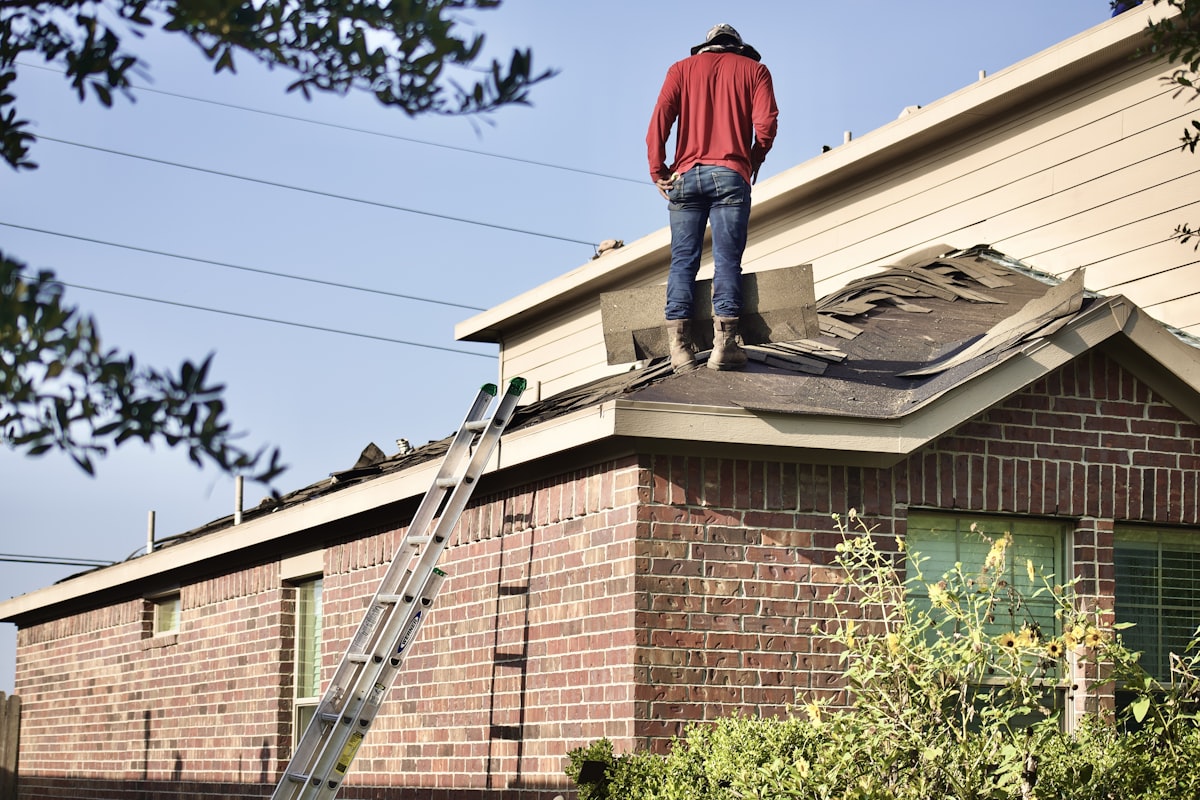
How Often Should You Replace Roof Shingles in Coastal SC?
How often should you replace roof shingles in coastal SC? Shingles fail 30-40% faster in Myrtle Beach. Expert replacement timelines by material, coastal aging factors, SC insurance thresholds & when to act. Call (843) 877-5539.
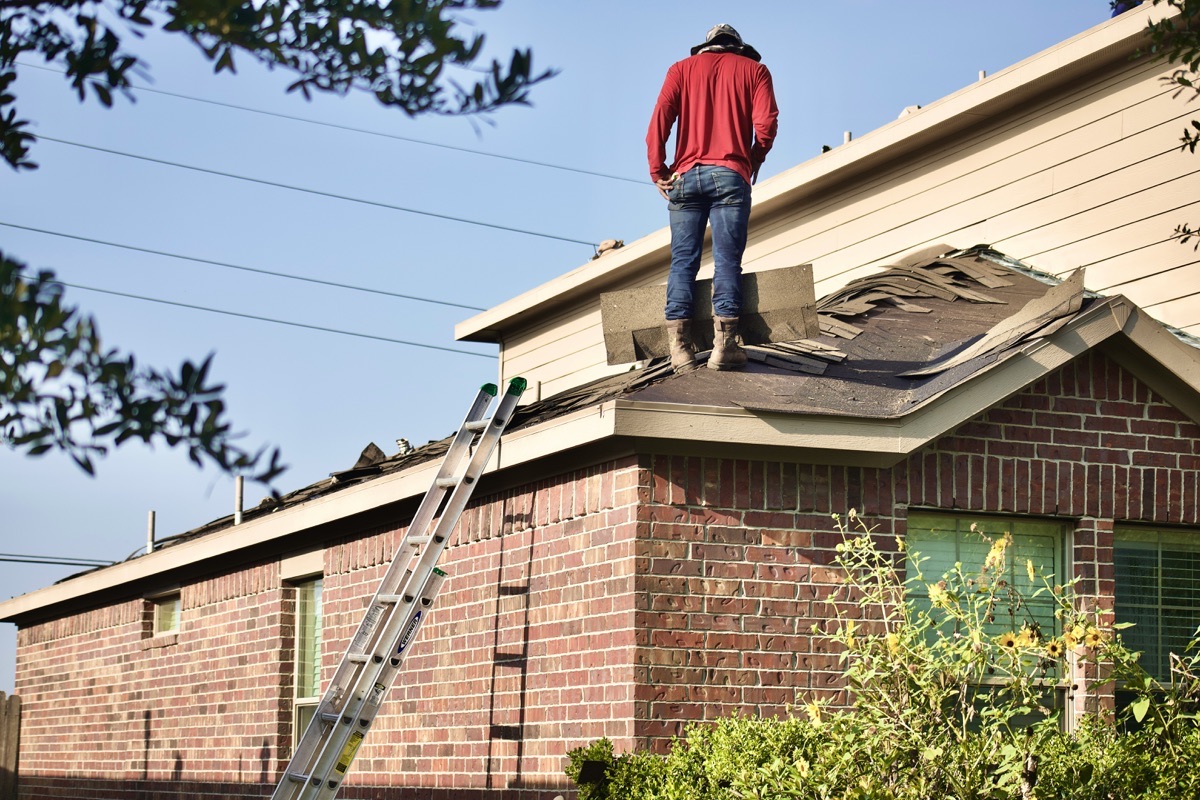
5 Signs You Need a New Roof in Myrtle Beach (Coastal Warning Signs)
The 5 warning signs your Myrtle Beach roof needs replacing — plus 3 coastal-specific red flags most guides miss. Salt damage, accelerated aging, insurance deadlines & when to act. Call (843) 877-5539.