Standing Seam vs Corrugated Metal Roof: 15 Critical Factors for Myrtle Beach Coastal Homes (2026)

Shocking Industry Truth
Choosing between a standing seam metal roof and a corrugated metal roof is one of the most important decisions Myrtle Beach homeowners face. Both are excellent choices for our coastal climate—rated for 140+ MPH winds, resistant to salt air corrosion, and lasting 40-70 years—but the differences between them can mean thousands of dollars in installation costs, insurance savings, and long-term value.
This comprehensive comparison guide examines 15 critical factors that coastal South Carolina homeowners must consider: from upfront investment to hurricane performance data, insurance premium reductions, warranty coverage, maintenance requirements, and resale value impact. We cover which option performs better in Myrtle Beach's specific conditions—salt spray, extreme heat, 75%+ humidity, and hurricane-force winds.
By the end of this guide, you'll have the expert knowledge to make the right choice for your home and budget. Whether you're building new, replacing an aging asphalt roof, or upgrading after storm damage, this decision framework will help you invest wisely. For an in-depth look at standing seam specifically, see our complete standing seam metal roof guide, or explore our metal roofing services. Ready to get started? Schedule a free inspection.
Ready to Protect Your Investment?
Schedule your free roof inspection today. No obligations, just peace of mind.
Quick Comparison: Standing Seam vs Corrugated Metal Roof
TL;DR: Which Metal Roof is Right for You?
Choose Standing Seam If:
- You want maximum hurricane protection (180 MPH rating)
- Insurance savings are a priority (up to 35% discount)
- You prefer a sleek, modern aesthetic
- You plan to stay 10+ years
- Your roof has complex geometry
- Budget: Contact for a personalized estimate
Choose Corrugated If:
- Budget is your primary concern
- You like the traditional/industrial aesthetic
- Your roof is simple with few penetrations
- You are comfortable with exposed fasteners
- You have a detached building/shop/barn
- Budget: More affordable upfront investment
Complete Comparison Summary
| Factor | Standing Seam | Corrugated | Winner |
|---|---|---|---|
| Upfront Cost | Higher initial investment | More affordable upfront | Corrugated |
| Wind Rating | 140-180 MPH | 110-150 MPH | Standing Seam |
| Lifespan | 50-70 years | 40-60 years | Standing Seam |
| Maintenance | Minimal (no exposed fasteners) | Moderate (fastener inspection) | Standing Seam |
| Insurance Discount | 20-35% | 10-20% | Standing Seam |
| Salt Air Resistance | Excellent (hidden fasteners) | Good (exposed fasteners corrode) | Standing Seam |
| DIY Installation | Not recommended | Possible (simple roofs) | Corrugated |
| Aesthetic Appeal | Modern, sleek, clean lines | Rustic, agricultural, industrial | Preference |
| Resale Value Impact | +5-8% home value | +3-5% home value | Standing Seam |
| Energy Efficiency | Excellent (10-25% cooling savings) | Very Good (8-20% cooling savings) | Standing Seam |
Our Expert Recommendation for Myrtle Beach
For primary residences: Standing seam metal roofing delivers superior long-term value in coastal South Carolina. The significant insurance savings alone can offset the higher upfront cost over time, and the hidden fastener design eliminates the #1 failure point in coastal metal roofs (fastener corrosion). For a detailed comparison with other metal options, see our best metal roofing materials for coastal SC guide.
For outbuildings, shops, and budget-conscious projects: Corrugated metal remains an excellent choice, offering 40-60 year protection at a lower price point.
Understanding Standing Seam vs Corrugated Metal Roofing Systems
Before diving into the 15 comparison factors, let us understand exactly what distinguishes these two metal roofing systems. The fundamental difference comes down to how the panels connect and how fasteners are installed—and this difference has major implications for durability, maintenance, and performance.
What is a Standing Seam Metal Roof?
Standing seam metal roofing features vertical panels with raised seams (ribs) that interlock at the edges, creating a continuous barrier against water infiltration. The defining characteristic is the concealed fastener system—clips attach to the roof deck beneath the panels, completely hiding all screws and fasteners from weather exposure.
Standing Seam Specifications
- Panel Width: 12-18 inches (most common: 16 inch)
- Seam Height: 1-2 inches raised
- Material Thickness: 24-26 gauge steel or 0.032-0.040 inch aluminum
- Seam Types: Snap-lock, mechanical lock (single/double)
- Fastener System: Concealed clips
- Thermal Movement: Floating clip system allows expansion
Common Standing Seam Profiles
- Snap-Lock: Panels snap together—fastest installation, good for low slopes
- Single Lock (180 degrees): Mechanical seaming—excellent water resistance
- Double Lock (360 degrees): Highest hurricane rating—required for low slopes
- Batten Panel: Wide-spaced seams with decorative caps
What is a Corrugated Metal Roof?
Corrugated metal roofing features wavy, ribbed panels that overlap at the edges and are secured with exposed fasteners (screws with neoprene washers) driven directly through the panel into the roof deck. This is the traditional metal roofing style seen on barns, agricultural buildings, and industrial structures—though modern corrugated panels are increasingly used on residential homes.
Corrugated Specifications
- Panel Width: 26-36 inches
- Rib Depth: 7/8 inch - 1.5 inches
- Material Thickness: 26-29 gauge steel or 0.024-0.032 inch aluminum
- Profile Types: Wave, 7/8 inch corrugated, 2.67 inch x 7/8 inch
- Fastener System: Exposed screws with neoprene washers
- Thermal Movement: Limited (fasteners restrict movement)
Common Corrugated Profiles
- Classic Corrugated (7/8 inch): Traditional wave pattern—most affordable
- 2.67 inch Corrugated: Deeper ribs—better structural strength
- 5V Crimp: V-shaped ribs—classic Southern style
- R-Panel (PBR): Commercial-grade—not true corrugated but often grouped together
The Critical Difference: Exposed vs Concealed Fasteners
The #1 factor that determines long-term performance in coastal environments is the fastener system:
- Exposed Fasteners (Corrugated): 200-500+ screws per 1,500 sq ft roof, each penetrating the metal surface. Every fastener is a potential failure point—washers degrade, screws back out, gaskets dry and crack. In Myrtle Beach salt air, exposed fastener roofs require inspection and re-torquing every 5-7 years.
- Concealed Fasteners (Standing Seam): Clips attach beneath panels—zero penetrations through the weather barrier. Salt air and UV cannot reach the fasteners. This eliminates the most common maintenance item and leak source in metal roofing.
Hurricane & Wind Resistance (Critical for Coastal SC)
In Myrtle Beach's hurricane zone, wind resistance is not just a feature—it is a requirement. South Carolina building code mandates roofing materials rated for 130+ MPH winds within 1 mile of the coast. Here is how standing seam and corrugated compare.
Wind Rating Comparison
| Roofing System | Wind Rating | Hurricane Category | FORTIFIED Eligible |
|---|---|---|---|
| Standing Seam (Double Lock) | 180 MPH | Category 5 | Gold Level |
| Standing Seam (Snap-Lock) | 140-160 MPH | Category 4 | Silver/Gold |
| Corrugated (High-Wind Install) | 130-150 MPH | Category 3-4 | Bronze/Silver |
| Corrugated (Standard Install) | 110-130 MPH | Category 2-3 | Bronze |
Myrtle Beach Hurricane Statistics (1990-2024)
- Category 1+ hurricanes within 100 miles: 14 storms
- Category 2+ hurricanes: 8 storms (Hugo 1989, Floyd 1999, Matthew 2016, Florence 2018)
- Tropical storms with 60-75 MPH winds: 24 events
- Average annual wind events exceeding 50 MPH: 4-6
- Most damaging recent storm: Hurricane Florence (2018)—90 MPH sustained, 120 MPH gusts
Implication: A Myrtle Beach roof will experience multiple 75+ MPH wind events during its lifespan. Investing in 150+ MPH rated roofing provides meaningful safety margin.
Upfront Cost Comparison (True Installed Pricing)
Cost is typically the deciding factor for homeowners. The investment varies significantly based on roof size, complexity, material choice, and local labor conditions. Here is what affects pricing for each system in Myrtle Beach.
Cost Factors Comparison
| Factor | Standing Seam | Corrugated |
|---|---|---|
| Initial Investment | Higher — premium panels, concealed clip system, specialized labor | Lower — simpler panels, exposed fastener installation |
| Material Upgrade Impact | Aluminum adds 15-25% over steel | Material options more limited |
| Complexity Premium | Valleys, dormers, and hips add significant cost | Best for simple roof lines |
Get Accurate Pricing for Your Home
Metal roofing costs vary significantly by home — roof size, pitch, complexity, and material all affect pricing. The best way to understand what your project will cost is with a free on-site estimate.
Call WeatherShield at (843) 877-5539 or schedule a free inspection for accurate, no-obligation pricing.
For a deeper dive into metal roofing options, read our complete standing seam metal roof guide and our metal roofing services page.
Insurance Premium Savings (Major Cost Factor)
Myrtle Beach has some of the highest homeowners insurance rates in South Carolina. Metal roofing can significantly reduce premiums, but the savings vary dramatically between standing seam and corrugated systems.
Insurance Discount Comparison
| Roofing System | Typical Discount Range | Relative Savings |
|---|---|---|
| Standing Seam (FORTIFIED Gold) | 25-35% | Highest savings — can offset upfront cost over time |
| Standing Seam (Standard) | 15-25% | Significant long-term savings |
| Corrugated (High-Wind Install) | 10-20% | Moderate savings |
| Corrugated (Standard) | 5-15% | Some savings depending on insurer |
Discount percentages vary by insurer. Contact your insurance provider for exact savings based on your policy.
SC Safe Home Grant Program
South Carolina offers grants for fortified roof installations through the SC Safe Home program. Standing seam metal roofing qualifies for the highest grant amounts when paired with FORTIFIED certification. Contact the SC Department of Insurance for current availability and amounts.
Durability & Lifespan in Coastal Environments
Metal roofing is prized for longevity, but lifespan varies significantly based on the system, materials, and—critically—coastal exposure. Myrtle Beach salt air, humidity, and UV intensity create one of the most demanding environments for roofing materials.
Expected Lifespan Comparison
| Material | Inland Life | Coastal Life (0-3 mi) | Key Failure Point |
|---|---|---|---|
| Standing Seam (Galvalume) | 50-70 years | 40-60 years | Panel coating (rare) |
| Standing Seam (Aluminum) | 60-80+ years | 50-70+ years | Coating fade only |
| Corrugated (Galvalume) | 40-60 years | 30-45 years | Fastener corrosion/leaks |
| Corrugated (Galvanized) | 25-40 years | 15-25 years | Rust perforation |
Total Cost of Ownership (50-Year Analysis)
The upfront cost difference tells only part of the story. When you factor in lifespan, maintenance, insurance, and energy savings, the total cost of ownership shifts dramatically in favor of standing seam.
50-Year Ownership Comparison
| Factor | Standing Seam | Corrugated |
|---|---|---|
| Initial Installation | Higher upfront investment | Lower upfront cost |
| Replacement Cycles (50 yrs) | 0 (lasts 50+ years) | Likely 1 replacement around year 35 |
| Maintenance (50 yrs) | Minimal — no exposed fasteners to maintain | 3x more maintenance — fastener inspection, re-torquing |
| Insurance Savings (50 yrs) | Substantial — 20-35% premium reduction | Moderate — 5-20% premium reduction |
| Energy Savings (50 yrs) | 10-25% cooling cost reduction | 8-20% cooling cost reduction |
| NET 50-YEAR VALUE | Significantly lower total ownership cost | Higher total cost over time |
The Long-Term Value Is Clear
Despite costing more upfront, standing seam metal roofing:
- Pays for itself through insurance savings over time
- Costs significantly less over 50 years vs corrugated when factoring in replacements
- Avoids 1 complete roof replacement in 50 years
- Requires 66% less maintenance
Expert Recommendation for Myrtle Beach Homeowners
After 18 years of installing metal roofs in coastal South Carolina, here is our definitive recommendation based on your specific situation.
Choose Standing Seam If:
- You live within 3 miles of the ocean
- You plan to stay in your home 10+ years
- Insurance savings are important to you
- You want minimal maintenance
- Your home is your primary residence
- You are considering solar panels in the future
- You have a complex roof with valleys/dormers
- You want maximum hurricane protection
- Modern aesthetics appeal to you
Choose Corrugated If:
- Budget is your primary constraint
- You are roofing an outbuilding, shop, or barn
- You prefer rustic/industrial aesthetics
- You are inland (5+ miles from salt water)
- It is a rental property or investment home
- You have a simple gable roof
- You are comfortable with periodic maintenance
- The building is not climate-controlled
Get Your Free Metal Roofing Consultation
Still unsure which metal roof is right for your Myrtle Beach home? Our 5.0-star rated metal roofing specialists will:
- Inspect your current roof and structure
- Assess your coastal exposure and salt air risk
- Provide detailed quotes for both systems
- Calculate your insurance savings potential
- Explain FORTIFIED certification options
Conclusion: The Right Metal Roof for Coastal South Carolina
Both standing seam and corrugated metal roofing are excellent choices that dramatically outperform asphalt shingles in Myrtle Beach demanding coastal climate. However, for most homeowners—especially those planning to stay long-term—standing seam metal roofing delivers superior value.
Final Scorecard: 15 Factors
11
Standing Seam Wins
3
Corrugated Wins
1
Tie (Preference)
Key Takeaways
- 1. Standing seam costs more upfront but saves significantly over 50 years through avoided replacements and lower maintenance
- 2. Insurance savings (20-35%) can offset the cost difference in 5-10 years
- 3. Concealed fasteners eliminate the #1 failure point in coastal metal roofs
- 4. Standing seam lasts 10-20 years longer in salt air environments
- 5. Corrugated remains excellent for outbuildings and budget-focused projects
About This Guide
This comprehensive comparison was written by David Karimi, WeatherShield Roofing Metal Roofing Specialist with years of coastal installation experience. Insurance savings estimates are based on actual customer experiences with major South Carolina carriers. For current pricing, schedule a free inspection or call (843) 877-5539.
Last Updated: December 2025
The Cost Comparison: Maintenance vs. Neglect
Without Maintenance
- Roof lifespan: 12-15 years
- Insurance claims often denied
- Emergency repairs cost 3x more
- Property value decreases by 5-10%
- Warranty becomes void
- Total 20-year cost: $382
With Regular Maintenance
- Roof lifespan: 25-30+ years
- Insurance claims approved
- Prevent costly emergencies
- Property value protected
- Full warranty coverage maintained
- Total 20-year cost: $8,000-10,000
Need a roofer?
Call (843) 877-5539 for a free estimateNeed Professional Help?
WeatherShield Roofing is Myrtle Beach's highest-rated roofing company with a perfect 5.0-star Google rating. We can help with any roofing need:
Frequently Asked Questions
About the Author
David Karimi
Metal Roofing Specialist & Hurricane Protection Expert
David Karimi is WeatherShield Roofing's Metal Roofing Specialist with extensive experience installing metal roofing systems in coastal South Carolina. As a GAF Certified Plus™ contractor and certified standing seam installer, David has completed 800+ metal roof installations across the Myrtle Beach area, specializing in hurricane-resistant systems for coastal environments.
The Bottom Line: Your Roof, Your Choice
Every day you wait is another day closer to that emergency call no homeowner wants to make. The statistics are clear: 80% of roofs fail prematurely, and 61% of homeowners can't afford the emergency repairs that follow.
What You Get with Weather Shield Roofing:
Don't Wait Until It's Too Late
Join thousands of smart Myrtle Beach homeowners who protect their investment with regular maintenance.
Emergency? Call our 24/7 hotline: (843) 877-5539
Our Roofing Services
Serving the Grand Strand
Weather Shield Roofing proudly serves homeowners across the Grand Strand and surrounding communities. Find your local roofing experts:
Related Articles
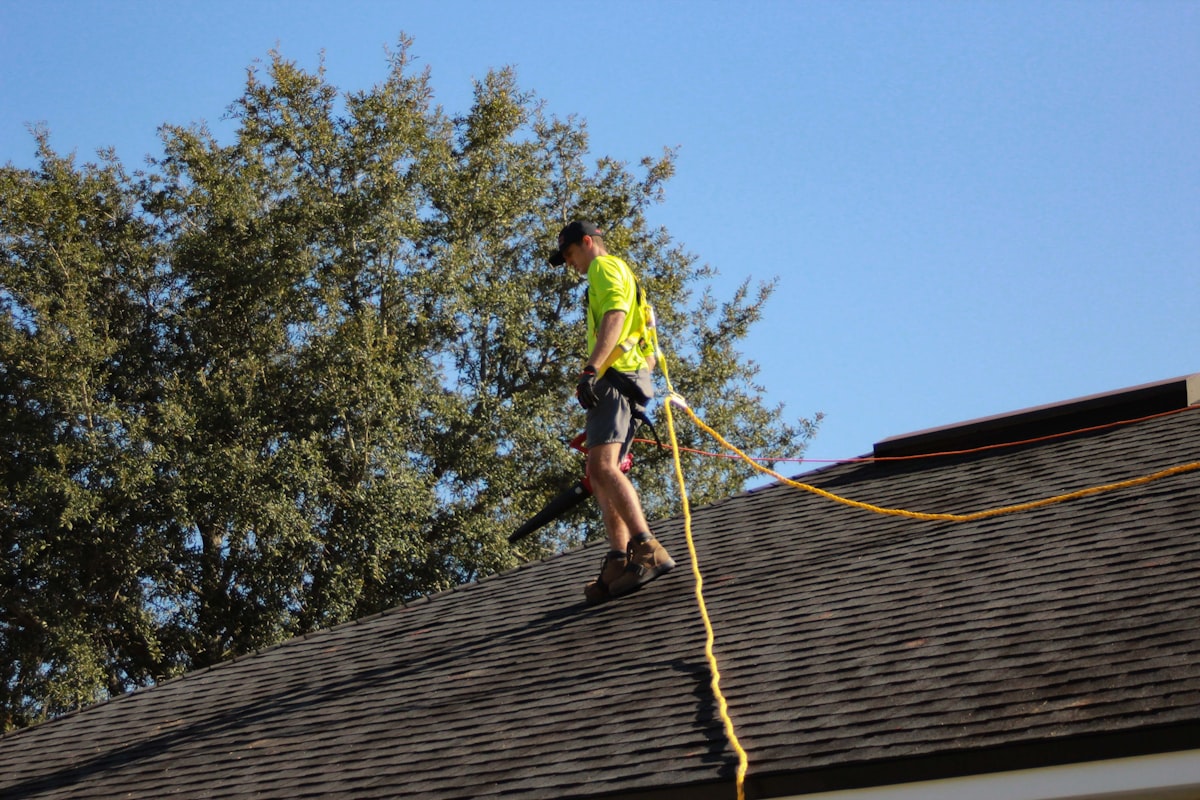
Best Metal Roofing Materials for Hurricane Zones: Coastal SC Guide (2026)
Best metal roofing materials for hurricane zones in coastal SC. Compare aluminum, steel, copper, zinc wind ratings, salt corrosion data, and SC insurance savings. Call (843) 877-5539.
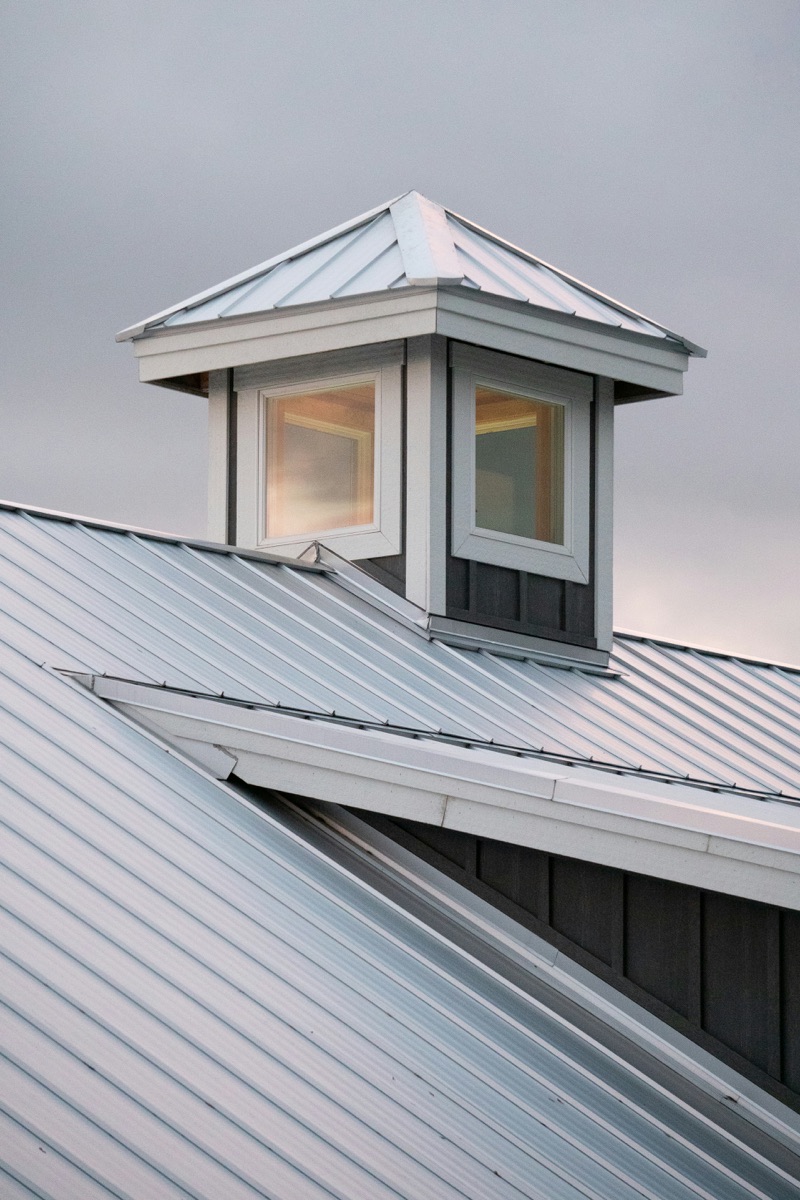
Metal Roofing Pros and Cons: Honest Guide for Coastal SC Homeowners
Discover the real pros and cons of metal roofing for coastal South Carolina homes. Covers salt air corrosion, hurricane wind ratings, SC insurance discounts, the 3-Zone Coastal Framework, and more.

Standing Seam Metal Roof: The Definitive Guide (2026)
Standing seam metal roof guide: snap-lock vs mechanical lock, steel vs aluminum panels, 50+ year lifespan, hurricane ratings up to 180 mph. Trusted Myrtle Beach installer.