Standing Seam Metal Roof: The Definitive Guide (2026)

Shocking Industry Truth
A standing seam metal roof is widely considered the gold standard for coastal roofing—and for good reason. With concealed fasteners, interlocking standing seam metal roof panels, and a lifespan that can exceed 50 years, standing seam metal roofing offers unmatched protection against hurricanes, salt air corrosion, and the intense UV exposure that shortens the life of other roofing materials in Myrtle Beach.
At WeatherShield Roofing, we're 5.0-star rated on Google (82 reviews) and have installed standing seam metal roofs across the Grand Strand for nearly two decades. This comprehensive guide covers everything you need to know—from how standing seam differs from other metal roofing to installation details, standing seam metal roof cost, and why it's the ultimate choice for hurricane-prone coastal homes. You can also read our standing seam vs corrugated metal roof comparison for a side-by-side breakdown.
Considering a Standing Seam Metal Roof?
WeatherShield offers free consultations and detailed estimates for standing seam metal roofing. We'll assess your home, explain your options, and provide honest pricing with no pressure. Call (843) 877-5539 or request a quote online.
Ready to Protect Your Investment?
Schedule your free roof inspection today. No obligations, just peace of mind.
What Is a Standing Seam Metal Roof?
A standing seam metal roof is a premium roofing system characterized by vertical metal panels that run from the ridge to the eave, with raised seams (ribs) that connect adjacent panels. The "standing" seam typically rises 1 to 2 inches above the flat panel surface, creating a distinctive, clean-lined appearance.
The Key Feature: Concealed Fasteners
What truly defines standing seam roofing is how the panels connect. Unlike exposed fastener metal roofs where screws penetrate the panel face, standing seam systems use concealed fasteners hidden beneath the seams. This design eliminates thousands of potential leak points and is the primary reason standing seam roofs last so much longer than other metal roofing types.
Standing Seam Design Elements:
- Vertical panels: Run continuously from ridge to eave
- Raised seams: 1-2 inch ribs where panels connect
- Concealed clips: Hold panels to decking without penetrating the surface
- Interlocking mechanism: Panels snap or mechanically seam together
- Thermal movement: Floating clip system allows expansion and contraction
How Standing Seam Panels Connect
Standing seam panels connect through one of two methods:
- Snap-lock: Panels snap together along the seam—faster installation, slightly lower cost
- Mechanical seam: A specialized tool crimps panels together for a tighter, more weather-resistant connection—superior for hurricane zones and low-slope applications
For coastal South Carolina homes facing hurricane-force winds, we typically recommend mechanical seam systems for their superior wind uplift resistance.
Standing Seam vs. Other Metal Roofing Types
Not all metal roofs are created equal. Understanding the differences helps you make an informed decision for your Myrtle Beach home. For a detailed head-to-head comparison of standing seam and corrugated metal, see our standing seam vs corrugated metal roof comparison guide. You may also want to explore our metal roofing pros and cons guide and our best metal roofing materials for coastal SC guide.
Standing Seam vs. Exposed Fastener (Screw-Down) Metal
| Feature | Standing Seam | Exposed Fastener |
|---|---|---|
| Fastener Location | Concealed beneath seams | Visible on panel face |
| Leak Potential | Minimal (no penetrations) | Higher (washer degradation) |
| Lifespan | 40-70 years | 20-30 years |
| Thermal Movement | Floating clips allow expansion | Fixed screws resist movement |
| Maintenance | Very low | Periodic fastener checks |
| Cost | Higher initial investment | More affordable upfront |
The Fastener Problem in Coastal Climates
Exposed fastener metal roofs use rubber washers that degrade in UV exposure and salt air. In Myrtle Beach's climate, these washers can fail in 10-15 years, requiring re-fastening or leading to leaks. Standing seam eliminates this maintenance burden entirely.
Standing Seam vs. Metal Shingles
Metal shingles (stamped to look like slate, shake, or tile) offer:
- Traditional aesthetics with metal durability
- Interlocking installation with concealed fasteners
- Good wind resistance (110-120 mph typical)
- 30-50 year lifespan
However, standing seam panels handle thermal expansion better and typically achieve higher wind ratings (140-180 mph), making them the preferred choice for hurricane zones.
Why Standing Seam Excels in Coastal Hurricane Zones
For Myrtle Beach homeowners, the question isn't whether your roof will face a hurricane—it's when. Standing seam metal roofing offers specific advantages that make it the superior choice for coastal storm protection.
Hurricane Wind Resistance
Wind Rating Comparison:
- Architectural shingles: 110-130 mph (Class F-H)
- Metal shingles: 110-120 mph typical
- Standing seam metal: 140-180 mph (depending on system)
Standing seam achieves these ratings through:
- Continuous panels: No individual pieces to lift or tear off
- Interlocking seams: Panels grip each other, distributing wind forces
- Concealed attachment: Wind cannot get under fastener heads
- No exposed edges: Smooth profile offers minimal wind resistance
Salt Air and Corrosion Resistance
Coastal salt air destroys unprotected metal. Quality standing seam systems combat corrosion through:
- Galvalume substrate: Aluminum-zinc coating provides sacrificial protection
- PVDF (Kynar) paint: Fluoropolymer coating resists UV and salt
- Concealed fasteners: No exposed steel to corrode
- Proper sealants: Marine-grade materials at seams and penetrations
Insurance Advantages
Many insurance companies offer premium discounts for standing seam metal roofs—often 10-25% off your homeowners policy. Combined with FORTIFIED certification, the savings can be substantial. Learn more in our FORTIFIED Roof Guide.
Standing Seam Metal Roof Pros and Cons
Before making a decision, it helps to weigh the standing seam metal roof pros and cons honestly. While standing seam is the roofing system we most frequently recommend for coastal South Carolina, it is not the right fit for every homeowner or every budget. Here is our candid assessment based on nearly two decades of installing these systems across the Grand Strand.
Pros of Standing Seam Metal Roofing
- 50-70+ year lifespan: Outlasts asphalt shingles by 2-3 times, meaning fewer replacements over the life of your home
- Hurricane-force wind resistance: Ratings of 140-180 mph make standing seam the top choice for coastal storm protection
- Concealed fasteners eliminate leaks: No exposed screws means no washer degradation, no backed-out fasteners, and no penetration-related leaks
- Near-zero maintenance: No shingles to replace, no granules to shed, and no exposed hardware to inspect
- Energy efficiency: Reflective coatings reduce cooling costs by 10-25% in Myrtle Beach's hot summers
- Insurance discounts: Many SC insurers offer 10-25% premium reductions for standing seam metal roofs
- Superior salt air resistance: Kynar/PVDF coatings and Galvalume substrates withstand coastal corrosion far better than other materials
- Increases home resale value: Metal roofing typically recovers 60-70% of cost at resale, often higher in hurricane-prone markets
- Environmentally friendly: Metal is 100% recyclable at end of life, unlike shingles that go to landfill
Cons of Standing Seam Metal Roofing
- Higher upfront cost: Standing seam costs 2-3 times more than architectural shingles for the initial installation
- Requires specialized installation: Not every roofer has the equipment or training for standing seam, so choosing the wrong contractor can lead to problems
- Oil canning possibility: Thin panels or improper installation can cause visible waviness in the flat areas between seams (cosmetic, not structural)
- Noise during heavy rain: Without proper underlayment and attic insulation, metal roofs can be louder during storms, though modern installations largely eliminate this
- Denting from large hail or debris: While panels resist most impacts, heavy debris can leave cosmetic dents (panels remain watertight)
- Limited repair options: Damaged panels cannot be patched like shingles; entire panel sections may need replacement
- Expansion and contraction sounds: Thermal movement can produce occasional clicking or popping noises as panels heat and cool
The Bottom Line on Pros and Cons
For coastal South Carolina homeowners who plan to stay in their home for 10+ years, the long-term value of standing seam usually outweighs the higher upfront cost. The combination of longevity, hurricane protection, and insurance savings makes it the smartest investment for most Myrtle Beach homes. For a deeper comparison with other metal options, read our standing seam vs corrugated metal roof comparison.
Standing Seam Material Options: Steel, Aluminum, Copper, and Zinc
Standing seam panels are manufactured from several metals, each with distinct characteristics for coastal applications.
Galvalume Steel (Most Common)
- Composition: Steel core with aluminum-zinc alloy coating
- Corrosion resistance: Excellent with proper paint finish
- Cost: Most affordable metal option
- Lifespan: 40-60 years with quality coating
- Best for: Budget-conscious homeowners wanting metal durability
Aluminum
- Composition: Solid aluminum (no coating needed for corrosion)
- Corrosion resistance: Superior—naturally forms protective oxide layer
- Cost: 20-30% more than steel
- Lifespan: 50-70+ years
- Best for: Oceanfront properties within 1,500 feet of saltwater
Our Coastal Recommendation
For most Myrtle Beach homes, Galvalume steel with Kynar (PVDF) finish provides the best value. For oceanfront properties or those within direct salt spray zones, aluminum is worth the premium for its superior corrosion resistance.
Copper (Premium)
- Develops distinctive green patina over time
- 100+ year lifespan potential
- Naturally antimicrobial (no algae growth)
- Significantly higher cost (3-4x steel)
- Ideal for historic or high-end architectural applications
Zinc
- Self-healing—scratches seal over time
- 80-100 year lifespan
- Low environmental impact (fully recyclable)
- Cost comparable to copper
- Soft metal requires careful handling during installation
Metal Gauge Thickness: What You Need to Know
The gauge (thickness) of standing seam panels affects durability, dent resistance, and cost. Understanding gauge ratings helps you evaluate contractor quotes.
Important: Lower Gauge = Thicker Metal
Metal gauge numbering is counterintuitive: 24-gauge is thicker than 26-gauge. This is because the gauge system was originally based on the weight of steel sheets.
Steel Gauge Options
| Gauge | Thickness | Application | Coastal Recommendation |
|---|---|---|---|
| 29 gauge | 0.014" | Budget residential | Not recommended |
| 26 gauge | 0.018" | Standard residential | Minimum acceptable |
| 24 gauge | 0.024" | Premium residential | Recommended |
| 22 gauge | 0.030" | Commercial/heavy-duty | Best for hurricane zones |
Why Thickness Matters for Hurricanes
During hurricanes, debris impacts can dent or puncture thin metal. Thicker panels provide better impact resistance against wind-blown branches and objects. Additionally, thicker panels span rafters more rigidly, reducing oil-canning (waviness) and improving wind uplift resistance.
WeatherShield Standard
For Myrtle Beach residential standing seam installations, we use 24-gauge Galvalume steel minimum. For oceanfront properties or customers wanting maximum durability, we offer 22-gauge options.
Standing Seam Installation: What to Expect
Proper installation is critical for standing seam performance. Here's what the process looks like for a typical Myrtle Beach residential project.
Pre-Installation: Assessment and Planning
- Roof measurement: Precise dimensions for custom panel fabrication
- Deck inspection: Checking for rot, damage, or inadequate structure
- Ventilation assessment: Planning proper intake and exhaust
- Color and profile selection: Choosing from available options
- Permit acquisition: Required for roof replacement in Horry County
Day 1-2: Tear-Off and Deck Preparation
- Remove existing roofing material
- Inspect and repair decking as needed
- Install synthetic underlayment (we use high-temp metal roof underlayment)
- Apply ice and water shield at eaves, valleys, and penetrations
Day 2-4: Panel Installation
- Install drip edge and eave trim
- Set panel clips at prescribed spacing (typically 12-24 inches)
- Position and attach panels from eave to ridge
- Seam panels together (snap-lock or mechanical seaming)
- Install valley, hip, and ridge trim
- Flash all penetrations (vents, pipes, skylights)
Day 4-5: Completion
- Install ridge cap with proper ventilation
- Seal all trim connections
- Clean up debris and conduct final inspection
- Walk through with homeowner
Timeline Note
A typical 2,000-2,500 square foot residential standing seam installation takes 4-7 days depending on complexity, weather, and whether panels are site-formed or pre-manufactured. We'll provide a specific timeline during your estimate.
Standing Seam Lifespan: 50+ Years of Protection
One of the most compelling reasons to choose standing seam metal roofing is its exceptional longevity. While most roofing materials need replacement every 15-30 years, quality standing seam systems routinely last 50 years or more.
Lifespan by Material
| Material | Expected Lifespan | Warranty Typical |
|---|---|---|
| Galvalume Steel | 40-60 years | 30-40 year paint warranty |
| Aluminum | 50-70+ years | 35-50 year warranty |
| Copper | 80-100+ years | Lifetime (material) |
| Zinc | 80-100+ years | Lifetime (material) |
What Affects Standing Seam Longevity?
Several factors influence how long your standing seam roof will last:
- Coating quality: Kynar/PVDF coatings significantly outperform polyester
- Installation quality: Proper clip spacing, seaming, and flashing are critical
- Ventilation: Adequate attic ventilation prevents condensation issues
- Maintenance: Occasional cleaning and inspection extend life
- Environmental exposure: Oceanfront locations may see faster coating wear
Cost Per Year Comparison
When calculating true roofing cost, divide the total investment by expected lifespan:
- Architectural shingles: Lower upfront cost / 20 year lifespan = higher annual cost
- Standing seam metal: Higher upfront cost / 50 year lifespan = often lower annual cost
Standing seam often costs LESS per year of service than shingles, while providing superior protection throughout its life. Contact us at (843) 877-5539 for a personalized cost analysis for your home.
Standing Seam Maintenance: Minimal but Important
One of standing seam's biggest advantages is its low maintenance requirements. However, "low maintenance" doesn't mean "no maintenance." Annual attention keeps your roof performing optimally for decades.
Annual Maintenance Checklist
- Visual inspection: Check for debris accumulation, especially in valleys
- Gutter cleaning: Clear gutters and ensure proper drainage
- Trim inspection: Verify sealant at penetrations hasn't cracked or pulled away
- Fastener check: On exposed fastener sections (if any), verify tightness
- Tree trimming: Keep branches 10+ feet from roof surface
Cleaning Your Standing Seam Roof
Metal roofs can be cleaned when needed to maintain appearance:
- Use mild detergent (dish soap) and water
- Rinse with garden hose—no pressure washing needed
- Avoid harsh chemicals that can damage coatings
- Remove algae or mildew with diluted bleach solution (1:10)
- Always work from top to bottom
After-Storm Inspection
Following any significant storm, visually inspect your roof for debris impact damage, displaced trim, or accumulated branches. If you notice anything concerning, call WeatherShield at (843) 877-5539 for a professional assessment.
Standing Seam for Residential vs. Commercial Buildings
While standing seam originated in commercial and industrial applications, it has become increasingly popular for residential homes. Understanding the differences helps you select the right system.
Residential Standing Seam Characteristics
- Panel width: Typically 12-16 inches for aesthetic proportion
- Seam height: 1-1.5 inches (lower profile)
- Color options: Wide range including earth tones, blues, greens
- Gauge: 24-26 gauge typical
- Profile style: Often snap-lock for cost efficiency
Commercial Standing Seam Characteristics
- Panel width: 16-24 inches for faster coverage
- Seam height: 1.5-2 inches for structural rigidity
- Color options: Often limited to white, gray, or branded colors
- Gauge: 22-24 gauge for long spans
- Profile style: Mechanical seam for maximum wind resistance
Can Commercial Systems Be Used Residentially?
Yes—and in hurricane zones, this can be advantageous. Commercial-grade mechanical seam systems offer superior wind uplift resistance. The tradeoff is slightly higher cost and a more industrial aesthetic (wider panels, taller seams).
For oceanfront Myrtle Beach homes in high-wind zones, we sometimes recommend commercial-grade systems for their enhanced hurricane performance.
Special Considerations for Coastal South Carolina Homes
Installing standing seam metal roofing on the coast requires attention to factors that inland roofers may overlook. Here's what makes coastal installation different.
Salt Spray Zone Requirements
- Within 1,500 feet of ocean: Aluminum recommended over steel
- Within 3,000 feet: Premium coatings (Kynar/PVDF) required
- All coastal areas: Stainless steel or coated fasteners only
Wind Uplift Requirements
Horry County falls within Wind Zone 2 (130 mph design speed) per ASCE 7. Standing seam systems for this zone must:
- Meet or exceed 130 mph wind rating
- Use appropriate clip spacing (closer at edges and corners)
- Include enhanced edge metal securement
- Follow manufacturer's high-wind installation requirements
Humidity and Condensation Control
Myrtle Beach's high humidity creates condensation risk on the underside of metal roofing. Proper installation addresses this through:
- High-temperature synthetic underlayment
- Adequate attic ventilation (1:150 ratio minimum)
- Vapor barriers where appropriate
- Ridge venting compatible with metal roofing
Local Building Code Compliance
All WeatherShield standing seam installations comply with South Carolina Residential Code requirements for wind resistance, including proper attachment and edge securement per ASCE 7-16 wind maps.
Standing Seam as a Home Investment: ROI and Value
A standing seam metal roof is a significant investment. Understanding the return helps justify the upfront cost. For a detailed breakdown of pricing factors and what to expect, see our standing seam metal roof cost guide.
Resale Value Impact
According to remodeling cost-value reports, metal roofing typically recovers 60-70% of its cost at resale. However, in hurricane-prone coastal markets like Myrtle Beach, that percentage is often higher because buyers specifically seek wind-resistant roofing and insurance companies offer better rates for metal roofs.
Energy Savings
- Cool roof coatings: Reflective finishes reduce cooling costs 10-25%
- Attic heat reduction: Metal reflects solar heat instead of absorbing it
- Potential savings: $200-500 annually on cooling in SC climate
- 25-year energy savings: $5,000-12,500 potential
Insurance Premium Reduction
Many insurers offer discounts for impact-resistant metal roofing:
- Standard metal roof discount: 5-15%
- With FORTIFIED certification: 15-35% total
- Annual savings potential: $300-1,500 depending on policy
Avoided Replacement Costs
Over 50 years, a shingle roof will likely need replacement 2-3 times. A standing seam roof: once. At current prices, that's $16,000-36,000 in avoided replacement costs, not counting inflation.
Total Value Proposition
When you combine longevity, energy savings, insurance discounts, avoided replacements, and resale value, standing seam metal roofing often delivers a positive ROI—you may actually come out ahead compared to repeated shingle replacements.
Why Choose WeatherShield for Standing Seam Installation
Standing seam metal roofing is only as good as its installation. Here's why Myrtle Beach homeowners trust WeatherShield for their metal roofing projects.
Metal Roofing Expertise
Learn more about our standing seam metal roofing services in Myrtle Beach, our full metal roofing services, and our comprehensive metal roof installation process.
- Years of experience installing metal roofs on the Grand Strand
- Factory-trained on major standing seam systems
- Coastal specialists understanding salt air and hurricane requirements
- Proper equipment including mechanical seamers and panel formers
Our Installation Standards
- 24-gauge minimum steel (26-gauge for budget options)
- Kynar/PVDF coatings standard on all steel panels
- Enhanced clip spacing at perimeters and corners
- High-temperature synthetic underlayment
- Stainless steel or coated fasteners throughout
- Full manufacturer warranty support
Customer Experience
- 5.0-star Google rating from 82 verified reviews
- Transparent pricing with detailed written estimates
- Clear communication throughout your project
- Clean job sites with daily debris removal
- Post-installation support for any questions or concerns
Get Your Free Standing Seam Estimate
Ready to explore standing seam metal roofing for your home? WeatherShield provides free, no-obligation consultations where we'll:
- Assess your current roof and structure
- Discuss material and color options
- Explain the installation process
- Provide a detailed written estimate
The Cost Comparison: Maintenance vs. Neglect
Without Maintenance
- Roof lifespan: 12-15 years
- Insurance claims often denied
- Emergency repairs cost 3x more
- Property value decreases by 5-10%
- Warranty becomes void
- Total 20-year cost: $382
With Regular Maintenance
- Roof lifespan: 25-30+ years
- Insurance claims approved
- Prevent costly emergencies
- Property value protected
- Full warranty coverage maintained
- Total 20-year cost: $8,000-10,000
Need a roofer?
Call (843) 877-5539 for a free estimateNeed Professional Help?
WeatherShield Roofing is Myrtle Beach's highest-rated roofing company with a perfect 5.0-star Google rating. We can help with any roofing need:
Frequently Asked Questions
About the Author
David Karimi
Owner & Metal Roofing Specialist
David Karimi is WeatherShield Roofing's owner with extensive experience in residential and commercial roofing. A GAF Certified Plus™ certified contractor and metal roofing specialist, David has installed hundreds of standing seam metal roofs across the Grand Strand and understands what it takes for roofing to survive coastal South Carolina's hurricanes and salt air.
The Bottom Line: Your Roof, Your Choice
Every day you wait is another day closer to that emergency call no homeowner wants to make. The statistics are clear: 80% of roofs fail prematurely, and 61% of homeowners can't afford the emergency repairs that follow.
What You Get with Weather Shield Roofing:
Don't Wait Until It's Too Late
Join thousands of smart Myrtle Beach homeowners who protect their investment with regular maintenance.
Emergency? Call our 24/7 hotline: (843) 877-5539
Our Roofing Services
Serving the Grand Strand
Weather Shield Roofing proudly serves homeowners across the Grand Strand and surrounding communities. Find your local roofing experts:
Related Articles
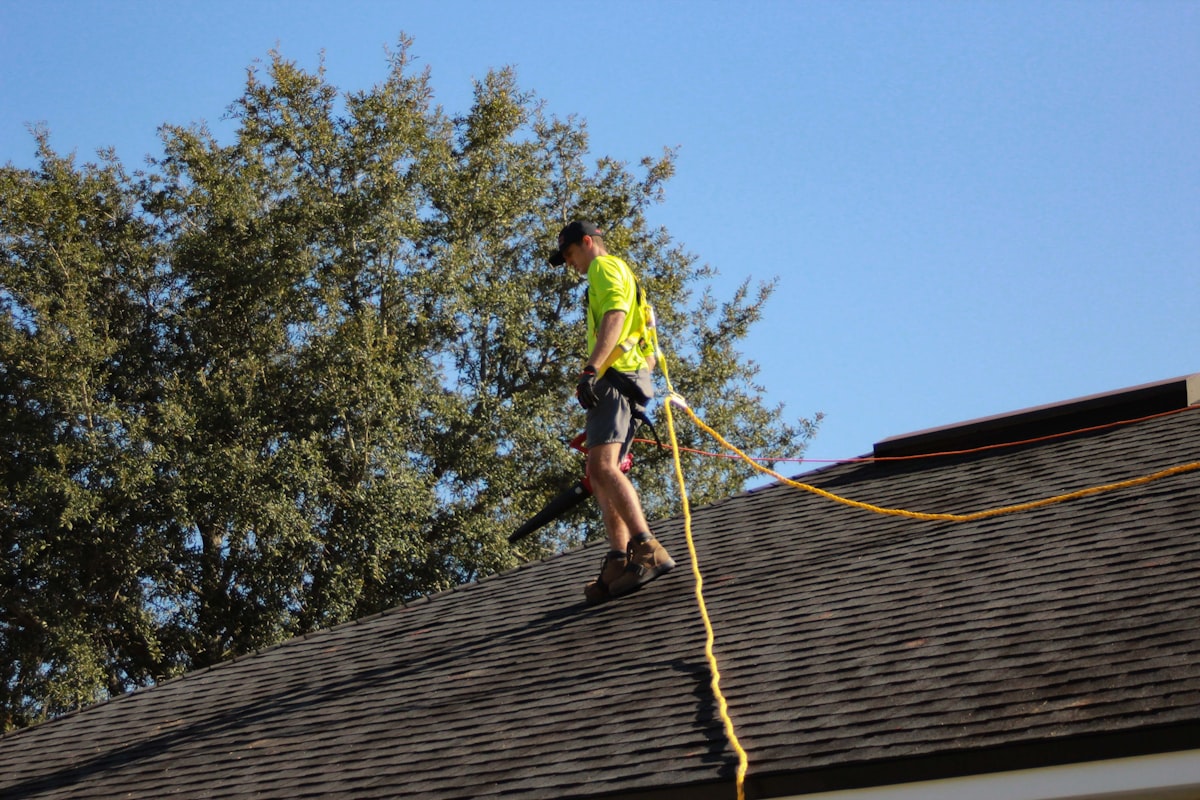
Best Metal Roofing Materials for Hurricane Zones: Coastal SC Guide (2026)
Best metal roofing materials for hurricane zones in coastal SC. Compare aluminum, steel, copper, zinc wind ratings, salt corrosion data, and SC insurance savings. Call (843) 877-5539.
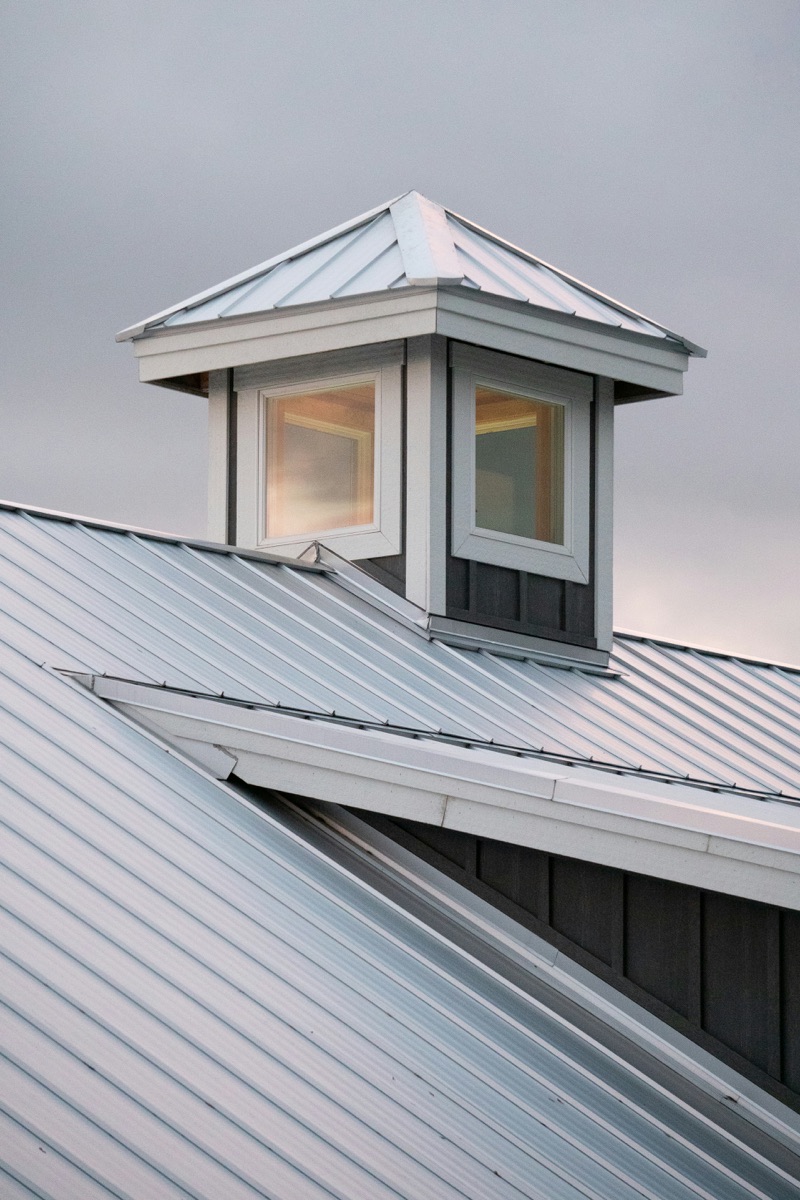
Metal Roofing Pros and Cons: Honest Guide for Coastal SC Homeowners
Discover the real pros and cons of metal roofing for coastal South Carolina homes. Covers salt air corrosion, hurricane wind ratings, SC insurance discounts, the 3-Zone Coastal Framework, and more.

Metal Roofs That Look Like Shingles: Complete 2025 Aesthetic & Performance Guide for Myrtle Beach
Metal roofs that look like shingles combine 50-year durability with traditional curb appeal. Complete guide: 6 profile types, stone-coated steel, hurricane ratings (150+ mph), coastal corrosion resistance, 30-year cost analysis, installation process. Expert insights from 5.0★ rated GAF Certified Plus™ contractors.