
Did Your Roof Survive Hurricane Season 2025? What Myrtle Beach Homeowners Need to Know Before Winter

Shocking Industry Truth
🌀 Critical Post-Hurricane Season Alert for Myrtle Beach Homeowners
NOAA predicted an above-normal 2025 Atlantic hurricane season with 13-19 named storms, 6-10 hurricanes, and 3-5 major hurricanes. Hurricane season officially ends November 30, 2025—just 20 days from now. If you haven't had your roof professionally inspected after this active storm season, you could be sitting on hidden damage that will turn catastrophic when Myrtle Beach's winter weather arrives.
Temperature swings from 65°F to 25°F and freeze-thaw cycles will amplify even small cracks into major leaks. Don't wait until you have a winter emergency. Call (843) 877-5539 today for your FREE post-hurricane roof inspection from Myrtle Beach's 5.0★ rated roofing experts.
📋 What You'll Learn in This Critical Guide
- Why 2025's Above-Normal Season Matters - NOAA forecast and damage probability
- The Hidden Danger - Why damage you can't see is the most expensive
- 10 Warning Signs - Hurricane damage indicators even if your roof "looks fine"
- Critical 2-4 Week Window - Why you must act before peak winter
- Professional Inspection Process - What to expect from WeatherShield's team
- Coastal Winter Challenges - Salt air, temperature swings, freeze-thaw cycles
- DIY vs Professional - What homeowners can (and cannot) safely check
- Free Inspection Offer - No cost, no obligation, no pressure assessment
Ready to Protect Your Investment?
Schedule your free roof inspection today. No obligations, just peace of mind.
Why 2025's Above-Normal Hurricane Season Makes Post-Storm Inspections Critical
The 2025 Atlantic hurricane season brought more than just anxiety—it brought real, documented damage to roofs across the Myrtle Beach area. Understanding why this year was particularly dangerous helps you recognize the urgency of getting your roof inspected before winter arrives.
NOAA's 2025 Hurricane Season Forecast
The National Oceanic and Atmospheric Administration (NOAA) issued a clear warning at the start of 2025's hurricane season:
- 13-19 named storms - Significantly above the historical average
- 6-10 hurricanes - Storms with sustained winds of 74+ mph
- 3-5 major hurricanes - Category 3 or higher (111+ mph winds)
This "above-normal" designation isn't just meteorological jargon—it's a statistical probability that more Myrtle Beach homes were exposed to damaging wind speeds, heavy rainfall, and prolonged storm conditions than in typical years.
What "Above-Normal" Means for Your Roof
More storms = higher cumulative damage probability. Even if you didn't experience a direct hit from a major hurricane, your roof likely endured:
- Multiple tropical storm-force wind events - 39-73 mph winds lift shingles, stress flashing
- Sustained heavy rainfall - Tests roof drainage, exposes seal weaknesses
- Wind-driven rain - Forces water into gaps that normally stay dry
- Debris impacts - Branches, roofing materials from neighboring homes
- Salt spray acceleration - Coastal homes get extra corrosion from storm surge mist
⚠️ The Problem Most Homeowners Don't See
In our 15 years inspecting Myrtle Beach roofs, we've found that most hurricane damage isn't immediately visible from the ground. You might think you "made it through" the season unscathed—but micro-cracks in shingles, lifted flashing edges, and compromised seals are silently waiting for winter weather to turn them into major leaks.
Hurricane Season Timeline: We're Not Done Yet
While peak hurricane season runs June through November, the official end date is November 30, 2025—we still have 20 days of potential storm activity.
But here's the critical urgency factor: Winter weather has already started arriving in Myrtle Beach. Overnight lows are dipping into the upper 30s and low 40s, with daytime highs still reaching the mid-60s. These temperature swings create the perfect conditions for freeze-thaw damage—and any existing hurricane damage will be amplified exponentially.
✅ Your Action Window: Next 2-4 Weeks
To protect your home from compounded damage, you need to get your roof inspected and any necessary repairs completed before peak winter arrives (typically mid-December through February). That means scheduling your inspection THIS WEEK. Call (843) 877-5539 for your free, no-obligation assessment.
10 Signs Your Myrtle Beach Roof May Have Hurricane Damage (Even If It Looks Fine)
Why the Next 2-4 Weeks Are Critical: The Hurricane-to-Winter Transition Window
You might be thinking, "I'll just wait until spring to deal with my roof." That approach could cost you thousands—or tens of thousands—in preventable damage. Here's why the next 2-4 weeks represent your most critical action window of the entire year.
Hurricane Season Still Active (20 Days Remaining)
Official Atlantic hurricane season runs through November 30, 2025. While storm frequency decreases in November, late-season hurricanes can be particularly dangerous:
- Historical late-season storms: Hurricane Nicole (November 2022), Hurricane Kate (November 1985)
- Cooler water temperatures often steer storms along the East Coast—directly toward Myrtle Beach
- Homeowners let their guard down, delaying protective measures
If you already have hidden hurricane damage and another storm hits before you've repaired it, damage compounds exponentially. A small crack becomes a major penetration. A lifted shingle blows off completely.
Winter Weather Has Already Arrived
While writing this in mid-November 2025, Myrtle Beach is already experiencing:
- Overnight lows: 35-42°F (approaching freezing)
- Daytime highs: 60-68°F
- Daily temperature swings: 25-35 degrees
These conditions create the expansion/contraction stress and early freeze-thaw cycles we discussed earlier. The damage clock is already ticking.
Peak Winter Severity: December Through February
Myrtle Beach's harshest winter conditions typically arrive in mid-to-late December and persist through February:
- December-February average lows: 36-40°F (frequent freezing nights)
- Coldest recorded temperatures: Single digits to teens (though rare)
- Winter storm events: Ice, sleet, occasional snow, prolonged cold rain
- Freeze-thaw cycle count: 20-40+ cycles per winter
If you enter peak winter with unrepaired hurricane damage, you're essentially gambling on whether a small problem becomes a catastrophic failure—and the odds are not in your favor.
Why Repairs Must Happen Before Mid-December
Even if you get your roof inspected this week and damage is found, repairs take time:
- Inspection scheduling: 1-5 days (depending on contractor availability)
- Damage assessment & quote: 1-3 days
- Insurance claim filing (if needed): 1-2 weeks for approval
- Material ordering: 3-7 days (custom flashing, specific shingles)
- Repair scheduling: 1-2 weeks (contractors book up fast heading into holidays)
- Actual repair work: 1-5 days (depending on scope)
- Final inspection & warranty: 1-2 days
Total timeline from initial call to completed repair: 2-6 weeks minimum.
If you wait until late November or early December to even schedule an inspection, repairs likely won't be completed until late December or January—right in the heart of peak winter damage season.
⏰ The FOMO Factor: Contractor Availability
Roofing contractors experience massive demand surges:
- Post-storm rush: Late October through November after hurricane season
- Holiday slowdown: Many contractors take reduced schedules around Thanksgiving and Christmas
- Winter emergency spike: January-February when homeowners discover leaks from first major cold snaps
Homeowners who wait until they have an active leak in January often face:
- 2-3 week wait times for emergency service
- Premium pricing due to high demand
- Compounded damage while waiting for repairs
- Limited contractor availability for quality work
Insurance Considerations: The Timeliness Requirement
If you're planning to file an insurance claim for hurricane damage, documentation timeliness matters:
- Storm-related damage claims: Must be filed within reasonable timeframe of the storm event (typically 30-90 days depending on policy)
- Delayed reporting red flags: Insurers may question whether damage occurred during the hurricane or from subsequent events
- Photographic evidence: Professional inspection photos taken in November 2025 clearly show post-hurricane, pre-winter damage—protecting your claim
- Preventative denial: Some policies deny claims if homeowner failed to take reasonable steps to prevent damage escalation
Getting your roof inspected NOW provides crucial documentation if you need to file a claim—and protects you from claim denials based on "lack of preventative action."
✅ Your Action Plan: This Week
- Call (843) 877-5539 today - Schedule your FREE post-hurricane roof inspection
- Get professional assessment - WeatherShield inspects within 1-3 business days
- Review damage report with photos - Understand exactly what needs repair and why
- Prioritize urgent repairs - Fix critical issues immediately, plan less urgent work
- Complete work before mid-December - Beat peak winter weather and holiday slowdowns
The cost of proactive inspection and repair is always less than emergency winter repairs. Always.
What to Expect During a Professional Post-Hurricane Roof Inspection
Many homeowners hesitate to schedule roof inspections because they don't know what to expect—or they worry about high-pressure sales tactics. At WeatherShield Roofing, our inspection process is transparent, thorough, and zero-pressure. Here's exactly what happens from your first call to final recommendations.
Step 1: Initial Consultation (Phone or Online)
When you call (843) 877-5539, you'll speak with a real person (not an automated system):
- We'll ask about your concerns: visible damage, leaks, age of roof, recent storms
- Schedule your inspection at a time convenient for you (typically within 1-3 business days)
- Confirm there's NO COST for the inspection and NO OBLIGATION to hire us
- Answer any immediate questions you have about the process
Step 2: Exterior Roof Inspection (45-60 Minutes)
Our certified inspector arrives with professional equipment and safety gear:
Comprehensive Surface Examination
- Shingle condition: Check for missing, lifted, cracked, curled, or granule-depleted shingles
- Flashing integrity: Inspect chimney, vent pipe, skylight, and valley flashing for separation, cracks, rust
- Roof penetrations: Examine all vents, pipes, satellite mounts for proper sealing
- Ridge caps and edges: Check for wind damage to ridge vents and drip edges
- Valleys and transitions: Inspect high-stress areas where roof planes meet
- Gutter systems: Assess attachment, drainage, debris buildup
- Fascia and soffit: Look for water damage, rot, pest entry points
Photographic Documentation
We take high-resolution photos of:
- Any damage found (close-up and context shots)
- Overall roof condition
- Problem areas that need monitoring
- Evidence for insurance claims if needed
Step 3: Interior/Attic Inspection (15-30 Minutes)
With your permission, we inspect your attic space for hidden damage:
- Water stains or moisture: Evidence of active or past leaks
- Light penetration: Visible daylight through roof deck indicates holes/gaps
- Insulation condition: Wet, compressed, or displaced insulation
- Ventilation function: Proper airflow to prevent moisture buildup
- Structural integrity: Check rafters, trusses, decking for rot, stress, damage
- Mold or mildew: Signs of prolonged moisture issues
Step 4: Detailed Report & Recommendations (20-30 Minutes)
After completing the inspection, we sit down with you to review findings:
Honest, Transparent Assessment
- What we found: Clear explanations of all damage, using photos and diagrams
- Severity levels: Which issues are urgent, which can wait, which are cosmetic
- Repair vs. replace guidance: Honest recommendation on whether repairs make sense or if replacement is more cost-effective long-term
- No-pressure approach: We never push unnecessary work. If your roof is fine, we tell you that.
Written Estimate (If Repairs Needed)
For any recommended work, we provide:
- Detailed scope of work (what we'll do, what materials we'll use)
- Timeline estimate
- Warranty information
- Answers to all your questions
Note: Per our company policy, we do NOT include specific pricing in blog content. All estimates are provided directly to homeowners during consultations.
Step 5: Insurance Claim Assistance (If Applicable)
If your damage may be covered by homeowners insurance:
- We provide professional documentation with photos
- Help you understand what your policy likely covers
- Coordinate with insurance adjusters for their inspection
- Explain the claims process and timeline
🌟 The WeatherShield Difference
Our 5.0★ Google rating from 82 verified Myrtle Beach customers reflects our commitment to:
- Honest assessments: We've told hundreds of homeowners "your roof is fine" when it truly is—even though it costs us a sale
- No pressure tactics: Take all the time you need to decide. We're not going anywhere.
- Education-focused: We want you to understand your roof, not just trust blindly
- Local expertise: years specializing in Myrtle Beach coastal roofing challenges
- Licensed & insured: Full SC Residential Specialty Contractor License, comprehensive liability coverage
Coastal Myrtle Beach Roofs: Unique Winter Challenges After Hurricane Season
If you're comparing your Myrtle Beach roof to roofing advice written for northern climates or inland areas, you're getting incomplete information. Coastal South Carolina roofs face a unique combination of challenges that few other regions experience—especially in the critical window between hurricane season and winter.
Challenge 1: Salt Air Corrosion Acceleration
Living near the Atlantic Ocean provides beautiful views and ocean breezes—but it also means your roof is under constant chemical attack.
How Salt Air Damages Roofing Materials
- Metal component corrosion: Flashing, nails, fasteners, ridge vents made of metal corrode 2-3x faster than inland
- Accelerated fastener failure: Rusted nails lose holding power, allowing shingles to lift even without wind
- Flashing deterioration: Galvanized steel, aluminum, and even stainless steel show accelerated degradation
- Sealant breakdown: Salt accelerates chemical breakdown of adhesives and sealants
Hurricane Season Compounds the Problem
During hurricanes and tropical storms:
- Storm surge and sea spray deposit concentrated salt on your roof
- Wind-driven rain pushes saltwater into cracks and under shingles
- Salt crystals remain on roof surfaces long after the storm passes
If hurricane damage created any metal exposure (scratched flashing, exposed fasteners, torn metal edge), salt-accelerated corrosion is happening right now—even before winter arrives. By spring, that small scratch could be a rust-through hole.
Challenge 2: The SC Coastal Temperature Swing Paradox
Myrtle Beach winter weather is neither consistently cold (like northern states) nor consistently warm (like Florida). This creates the worst possible scenario for roof longevity.
Why Moderate Climates Are Hardest on Roofs
Consider three climate types:
- Northern climates (Maine, Minnesota): Stay frozen all winter. Water freezes once and stays frozen—no repeated freeze-thaw cycles.
- Southern climates (Miami, South Texas): Stay warm all winter. Water never freezes—no expansion damage.
- Myrtle Beach: Freezes at night, thaws during day, repeats 20-40+ times per winter. Maximum stress.
Typical Myrtle Beach Winter Temperature Pattern
November through February:
- Daytime highs: 55-68°F (warm enough for water infiltration)
- Overnight lows: 28-42°F (freezing to near-freezing)
- Daily swing: 20-35 degrees
- Freeze-thaw events: 3-6 cycles per week during coldest months
Every single cycle takes existing hurricane damage and multiplies it exponentially.
Challenge 3: High Coastal Humidity + Winter Condensation
Myrtle Beach maintains high humidity year-round—averaging 70-75% even in winter. This creates unique moisture challenges:
Condensation in Attic Spaces
- Warm, humid indoor air rises into attic
- Meets cold roof deck on freezing nights
- Condensation forms on underside of roof deck
- If hurricane damage compromised ventilation, condensation worsens dramatically
The Hidden Rot Problem
Unlike dry climates where water damage is obvious (it leaks into living space), coastal humidity creates hidden rot:
- Wood decking, rafters, trusses absorb moisture from prolonged humidity exposure
- Rot develops slowly in attic spaces—often unnoticed for months or years
- By the time you see ceiling stains, structural damage may be extensive
Hurricane damage that allowed even minimal water infiltration provides the perfect starting point for winter condensation rot.
Challenge 4: Coastal Wind Stress (Beyond Hurricanes)
Even outside hurricane season, Myrtle Beach experiences higher average wind speeds than inland areas:
- Winter nor'easters: 30-50 mph sustained winds, 60+ mph gusts
- Coastal wind patterns: Constant onshore breezes stress roof edges
- No windbreak: Coastal homes lack the tree cover that protects inland properties
If hurricane season weakened shingle adhesion or flashing attachments, winter wind will finish the job—tearing off what storms only loosened.
⚠️ Why "One-Size-Fits-All" Roofing Advice Fails in Myrtle Beach
National roofing guides don't account for this combination:
- Hurricane exposure + freeze-thaw cycles + salt air corrosion + high humidity + coastal winds
This is why local expertise matters. Our years specializing in Myrtle Beach and coastal SC roofing means we know exactly how to identify, repair, and prevent the unique damage patterns this environment creates.
DIY Inspection vs. Professional Assessment: What Homeowners Can (and Can't) Do Safely
We encourage homeowners to stay informed about their roof's condition—but there's a critical difference between safe homeowner monitoring and comprehensive professional inspection. Here's what you can reasonably check yourself, and when you absolutely need to call the pros.
✅ Safe Homeowner Checks (No Roof Access Required)
Ground-Level Visual Inspection with Binoculars
- What to look for: Missing shingles, obvious damage, sagging areas, debris
- How to do it safely: Stand across the street or in your yard with binoculars, scan the entire roofline
- Limitations: You can't see subtle damage, can't inspect flashing up close, can't assess structural integrity
Gutter & Downspout Examination
- What to look for: Granule accumulation (dark sand-like material), debris, proper drainage, sagging sections
- How to do it safely: Check during/after rain from ground level, or use a ladder if you're comfortable and it's on stable ground
- Limitations: Granule loss tells you shingles are deteriorating but not where or how severely
Interior Ceiling/Wall Inspection
- What to look for: Water stains, discoloration, peeling paint, soft spots, musty odors
- How to do it safely: Walk through all rooms, especially upper floors and rooms near roof penetrations
- Limitations: By the time you see interior stains, damage is already significant
Attic Inspection (If Safe Access Exists)
- What to look for: Daylight visible through roof deck, water stains on rafters, wet insulation, mold
- How to do it safely: Only if you have safe attic access (pull-down stairs or walk-up stairs). NEVER walk on attic floor joists—step only on installed flooring or carefully place weight on ceiling joists.
- Limitations: You can see evidence of problems but not diagnose extent or root cause
❌ What Homeowners Should NEVER Do
Climbing on Your Roof
Why it's dangerous:
- Fall risk: Roofing is consistently one of the most dangerous occupations. Falls from roofs cause thousands of deaths and tens of thousands of serious injuries annually.
- Pitch/slope danger: Even roofs that look "walkable" from the ground can be treacherous, especially when wet, icy, or covered in morning dew.
- Hidden weak spots: If your roof has hurricane damage, stepping on a weakened section could cause it to collapse.
- Further damage risk: Walking on roofs requires knowing where to step. Improper foot placement can crack shingles or break seals.
- No safety equipment: Professional roofers use harnesses, anchor points, non-slip footwear, and fall protection—none of which homeowners typically have.
Attempting Temporary Repairs
Why professionals should handle it:
- Safety: Same fall risks as inspection, but with added complexity of carrying tools/materials
- Improper repairs worsen damage: Incorrect tarping, sealing, or patching can trap moisture, void warranties, or create new leak points
- Insurance implications: Some policies require professional storm damage documentation—DIY repairs may complicate claims
🔍 What Professional Inspectors Catch That Homeowners Miss
Specialized Training & Experience
- Pattern recognition: We've inspected 1,000+ storm-damaged roofs—we know what subtle damage looks like
- Material knowledge: Understanding how different roofing materials fail under specific stress
- Code compliance: Identifying installation defects that violate building codes
- Moisture detection: Using thermal imaging or moisture meters to find hidden leaks
Professional Equipment
- Safety harnesses and fall protection
- High-resolution cameras with zoom lenses
- Moisture meters and thermal imaging
- Proper ladder equipment and roof jacks
Comprehensive Assessment
Professional inspections examine:
- Shingle condition across entire roof surface (not just visible areas)
- Flashing at every penetration and transition (chimneys, vents, valleys, skylights)
- Underlayment condition (requires lifting shingles in some cases)
- Fastener integrity (checking for nail pops, inadequate fastening)
- Decking condition (identifying soft spots, rot, structural damage)
- Ventilation function (ensuring proper attic airflow)
- Overall system integration (how all components work together)
💰 The Cost-Benefit Reality
Homeowner "inspection" cost: $0 (but limited effectiveness + safety risk)
WeatherShield professional inspection cost: $0 (FREE, no obligation)
Risk of missing hidden damage: $2,000-182 in preventable winter damage escalation
Bottom line: When professional inspection is FREE and dramatically reduces your risk of expensive damage, there's no reason not to schedule one. Call (843) 877-5539 today.
How WeatherShield Roofing Protects Myrtle Beach Homeowners After Hurricane Season
Not all roofing contractors are created equal—especially when it comes to post-hurricane damage assessment and coastal roofing expertise. Here's what sets WeatherShield apart and why Myrtle Beach homeowners trust us with their most valuable investment.
🌟 Perfect 5.0★ Google Rating from 82 Verified Reviews
Our perfect rating isn't an accident—it's the result of:
- Honest assessments: We've told hundreds of homeowners "your roof is fine, no work needed" even when it cost us a potential sale
- Quality workmanship: Every repair and replacement is done right the first time
- Transparent communication: We explain what we find, why it matters, and what your options are—in plain English
- Fair pricing: No hidden fees, no surprise charges, no pressure tactics
- Warranty backing: We stand behind our work with comprehensive warranties
🏖️ Myrtle Beach Local Experts (Years of Expertise Coastal Roofing Experience)
We're not a national franchise—we're a local Myrtle Beach company that specializes in the unique challenges of coastal South Carolina roofing:
- Hurricane damage expertise: We've assessed and repaired roofs after every major storm event since 2022
- Salt air corrosion knowledge: We know which materials hold up best in coastal environments
- SC building code specialists: Full understanding of local permit requirements and code compliance
- Coastal insurance experience: We've helped hundreds of homeowners navigate storm damage insurance claims
✅ Fully Licensed, Bonded & Insured
Credentials that protect you:
- SC Residential Specialty Contractor License: State-issued, fully compliant
- Comprehensive liability insurance: Protects your property during our work
- Workers' compensation coverage: You're never liable if someone is injured on your property
- Manufacturer certifications: Factory-trained on GAF, Owens Corning, CertainTeed systems
🆓 FREE Post-Hurricane Roof Inspections (No Obligation)
Many contractors charge for inspections or require you to commit to repairs upfront. We don't.
- $0 inspection fee - Completely free assessment
- No obligation - Get your inspection report and decide on your own timeline
- No pressure - We'll never push you into work you don't need
- Detailed documentation - Even if you don't hire us, you'll have professional photos and assessment
⚡ 24/7 Emergency Availability
Roof emergencies don't wait for business hours:
- 24/7 phone service: Real people answer, not voicemail
- Rapid response: Emergency tarping and temporary repairs when needed
- Weekend & holiday availability: We're here when you need us most
📋 Insurance Claim Assistance
Navigating insurance claims can be overwhelming—we help:
- Professional documentation: High-resolution photos, detailed damage reports
- Adjuster coordination: We can meet with your insurance adjuster on-site
- Claim guidance: Help you understand what's typically covered
- Transparent process: No inflated claims, no insurance fraud—just honest assessment
🛠️ Premium Materials from Trusted Manufacturers
We only use top-tier roofing materials designed for coastal environments:
- GAF Timberline HDZ - Industry-leading impact resistance and wind warranty
- Owens Corning Duration - SureNail technology for superior wind uplift protection
- CertainTeed Landmark - Proven performance in coastal high-wind zones
- Weather-resistant underlayment - Premium synthetic materials that outperform standard felt
📞 Ready to Protect Your Home?
Call (843) 877-5539 now to schedule your FREE post-hurricane roof inspection.
Our team will:
- Schedule your inspection within 1-3 business days
- Conduct a comprehensive exterior and interior assessment
- Provide detailed photo documentation
- Give you honest, transparent recommendations
- Answer all your questions with zero pressure
Don't wait until winter turns small problems into expensive emergencies. Act now.
The Cost Comparison: Maintenance vs. Neglect
Without Maintenance
- Roof lifespan: 12-15 years
- Insurance claims often denied
- Emergency repairs cost 3x more
- Property value decreases by 5-10%
- Warranty becomes void
- Total 20-year cost: $382
With Regular Maintenance
- Roof lifespan: 25-30+ years
- Insurance claims approved
- Prevent costly emergencies
- Property value protected
- Full warranty coverage maintained
- Total 20-year cost: $8,000-10,000
Need a roofer?
Call (843) 877-5539 for a free estimateNeed Professional Help?
WeatherShield Roofing is Myrtle Beach's highest-rated roofing company with a perfect 5.0-star Google rating. We can help with any roofing need:
Frequently Asked Questions
About the Author
David Karr
Lead Roof Inspector & Storm Damage Specialist
David Karr is the Lead Roof Inspector at WeatherShield Roofing, Myrtle Beach's 5.0★ rated roofing company. With extensive experience inspecting coastal roofs across Horry County, David has assessed storm damage on more than 1,000 homes following hurricanes and severe weather events. He holds a South Carolina Residential Specialty Contractor License and specializes in coastal roofing systems uniquely challenged by salt air, humidity, and temperature swings.
The Bottom Line: Your Roof, Your Choice
Every day you wait is another day closer to that emergency call no homeowner wants to make. The statistics are clear: 80% of roofs fail prematurely, and 61% of homeowners can't afford the emergency repairs that follow.
What You Get with Weather Shield Roofing:
Don't Wait Until It's Too Late
Join thousands of smart Myrtle Beach homeowners who protect their investment with regular maintenance.
Emergency? Call our 24/7 hotline: (843) 877-5539
Our Roofing Services
Serving the Grand Strand
Weather Shield Roofing proudly serves homeowners across the Grand Strand and surrounding communities. Find your local roofing experts:
Related Articles

Hurricane Roof Damage in Myrtle Beach: What to Do First (2026 Guide)
Hurricane roof damage in Myrtle Beach? Step-by-step guide: emergency tarping, SC insurance claims, damage by hurricane category, storm chaser warnings & when to call a roofer. Call (843) 877-5539.
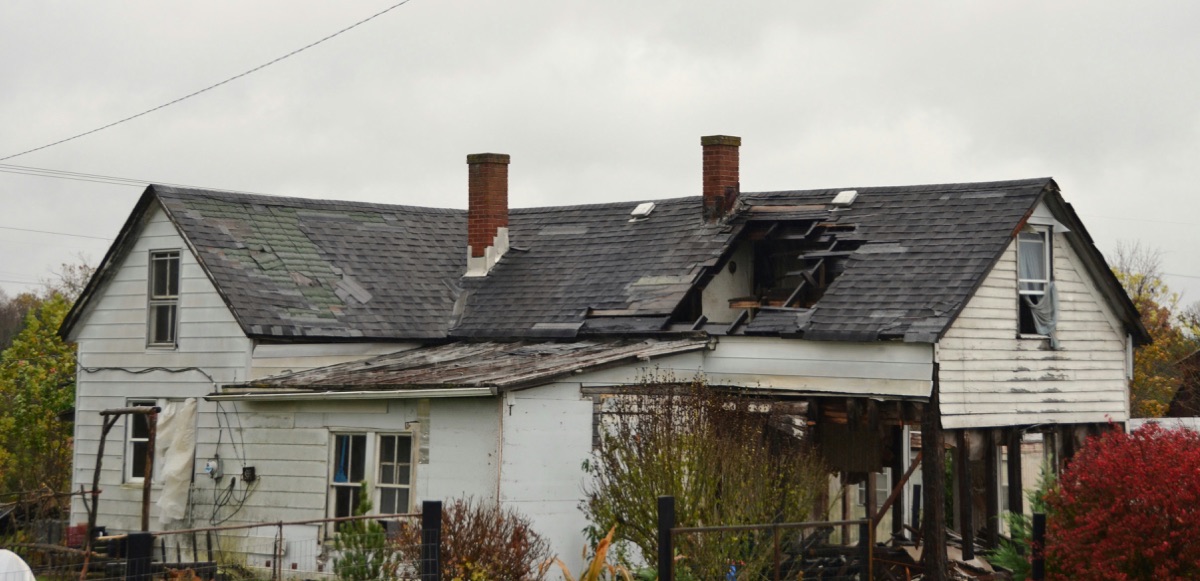
Storm Damage Roof Repair in Myrtle Beach: Complete 2026 Guide
Expert guide to storm damage roof repair in Myrtle Beach, SC. Learn what to do after hurricane, hail, or wind damage. 5.0-rated contractor. Call (843) 877-5539.

Wind Damaged Roof: How to Identify, Document & Repair Wind Damage (2025)
How to identify wind damage on your roof: signs of lifted shingles, exposed decking, and structural damage. Learn documentation for insurance claims, repair vs replacement decisions, costs, and what wind speeds cause roof damage. Expert guide.