Metal Roofing for Hurricane Protection: Complete 2025 Guide for Myrtle Beach Homeowners

Shocking Industry Truth
🌀 2025 Hurricane Season Just Ended - Is Your Roof Ready for the Next One?
The 2024 Atlantic hurricane season just ended (November 30, 2025), but planning for 2025 starts NOW. Metal roofing engineered for 180 MPH winds provides the ultimate hurricane protection for Myrtle Beach coastal homes—and qualifies you for up to 35% insurance premium savings. Learn why standing seam aluminum roofing is the #1 choice for properties within 1500 feet of saltwater.
Call (843) 877-5539 for your FREE metal roofing consultation from Myrtle Beach's 5.0★ rated coastal roofing experts.
📋 What You'll Learn in This Complete Guide
- Can Metal Roofs Survive Hurricanes? - 180 MPH wind ratings explained
- Why 2025 Is the Year - Industry trends + insurance renewal timing
- Wind Resistance Ratings - Standing seam vs stone-coated vs metal shingles
- Coastal Metal Selection - Aluminum vs steel for saltwater (1500ft rule)
- Impact Resistance - Class 4 rating protects against flying debris
- Insurance Savings - Up to 35% premium reduction (how to qualify)
- Metal vs Asphalt Comparison - Cost, lifespan, storm performance
- Installation Quality - Why contractor selection is critical
- 2025 Hurricane Season Prep - Installation timing before June 1
- 12 FAQs - Expert answers to metal roofing questions
Ready to Protect Your Investment?
Schedule your free roof inspection today. No obligations, just peace of mind.
Can Metal Roofs Survive Hurricanes? (The Short Answer)
Yes, metal roofs can withstand hurricane-force winds. Standing seam metal roofing is rated for winds up to 180 MPH, significantly exceeding typical hurricane wind speeds and far outperforming traditional asphalt shingles (70-110 MPH ratings).
Metal Roof Hurricane Performance Quick Facts
- ✓ Wind Resistance: 110-180 MPH depending on installation type (standing seam highest)
- ✓ Impact Resistance: Class 4 rating (highest available) - withstands 2-inch steel ball dropped from 20 feet
- ✓ Installation Critical: Mechanically seamed panels perform best in extreme winds
- ✓ Coastal Requirements: Aluminum or galvalume for saltwater exposure (within 1500ft of ocean)
- ✓ Insurance Benefits: Qualify for 10-35% premium discounts with hurricane-rated systems
- ✓ Real-World Performance: Metal roofs consistently outperform other materials in Florida hurricanes
How Metal Roofs Compare to Hurricane Wind Speeds
Understanding the context of wind ratings vs actual hurricane categories:
| Hurricane Category | Wind Speed (MPH) | Metal Roof Protection |
|---|---|---|
| Category 1 | 74-95 MPH | ✓ All metal types |
| Category 2 | 96-110 MPH | ✓ All metal types |
| Category 3 (Major) | 111-129 MPH | ✓ Standing seam, stone-coated |
| Category 4 (Major) | 130-156 MPH | ✓ Standing seam, stone-coated |
| Category 5 (Major) | 157+ MPH | ✓ Standing seam (up to 180 MPH) |
Key Takeaway: Properly installed standing seam metal roofing exceeds Category 4 hurricane winds, providing the best protection available for Myrtle Beach coastal properties.
🏆 WeatherShield's Expertise
As Myrtle Beach's 5.0★ rated roofing contractor, WeatherShield specializes in installing hurricane-rated metal roofing systems that meet or exceed 180 MPH wind ratings. Our certified installation methods and coastal expertise ensure your roof performs as rated when the next hurricane hits. Call (843) 877-5539 for a free consultation.
Why Myrtle Beach Homeowners Are Choosing Metal Roofing in 2025
2025 is emerging as a turning point for metal roofing in coastal markets. Multiple converging factors make this the ideal year for Myrtle Beach homeowners to upgrade to hurricane-resistant metal systems.
1. 2024 Hurricane Season Recap: Above-Normal Activity
NOAA predicted an above-normal 2024 Atlantic hurricane season with 13-19 named storms, 6-10 hurricanes, and 3-5 major hurricanes. While South Carolina avoided direct hits from major hurricanes, the frequency of tropical storms and outer bands created cumulative damage to traditional asphalt roofs across the Myrtle Beach area.
Homeowners who experienced even minor storm damage are now researching permanent solutions—and metal roofing consistently ranks as the #1 hurricane-resistant option.
2. Industry Trend: New Construction Shifting to Metal in Coastal Markets
According to industry reports, new construction in hurricane-prone coastal areas is trending away from asphalt shingles toward metal roofing. Key drivers include:
- Superior storm performance: Builders recognize metal's durability advantages
- Insurance requirements: Some coastal developments now mandate hurricane-rated roofing
- Buyer demand: Homebuyers prioritize storm protection and long-term value
- Market growth: Metal roofing market growing 4.3% annually, reaching $327 billion by 2028
3. Insurance Premium Crisis Driving Material Decisions
Coastal homeowners insurance premiums are spiking nationwide. Many Myrtle Beach homeowners are seeing 20-40% annual increases—or non-renewal notices for properties with aging roofs.
Hurricane-rated metal roofing offers a solution: Insurance companies offer premium discounts of 10-35% for homes with impact-resistant, high-wind-rated metal roofs. For many homeowners, the annual insurance savings help offset the higher upfront cost of metal vs asphalt.
💰 Insurance Renewal Season Timing
Many homeowners insurance policies renew January 1, 2026. If you're facing premium increases or non-renewal, upgrading to metal roofing NOW (November/December 2025) allows you to provide documentation to your insurer before renewal. This timing maximizes your savings opportunity for the entire 2026 policy year.
4. South Carolina Building Code Updates
The 2021 South Carolina Building Codes became effective January 1, 2023—still relatively new. These updated codes, based on the International Building Code (IBC) and International Residential Code (IRC) with state modifications, include enhanced wind resistance requirements for coastal areas.
When Myrtle Beach homeowners replace their roofs today, they must meet these current standards. Metal roofing not only meets but often exceeds code requirements, future-proofing your investment.
5. Long-Term Value Proposition in Storm-Prone Regions
The math is compelling for South Carolina coastal homeowners:
- Metal lifespan: 50-100 years (aluminum in coastal environments)
- Asphalt lifespan: 15-20 years (coastal humidity and storms accelerate degradation)
- Re-roofing cycles avoided: With metal, you eliminate 2-4 re-roofing expenses over 50 years
- Storm damage repairs: Metal roofs require far fewer repairs after hurricanes
- Insurance savings: Compound annually over the roof's lifespan
✅ Perfect Timing for Installation
November/December 2025 through May 2026 is the ideal installation window. Hurricane season doesn't start until June 1, 2026—giving you 6+ months to install and be fully protected. Contractor availability is also better in the off-season. Call (843) 877-5539 to schedule your free consultation before the spring rush.
Understanding Metal Roof Wind Resistance Ratings
Not all metal roofs offer the same hurricane protection. Wind resistance varies significantly based on panel type, installation method, and fastening system. Here's what you need to know to select the right system for Myrtle Beach's hurricane zone.
Wind Speed Ratings by Metal Roof Type
Standing Seam Metal Roofing: Up to 180 MPH (BEST)
Standing seam is the gold standard for hurricane protection:
- Panel design: Vertical panels with raised seams that interlock
- No exposed fasteners: Clips attach underneath panels (critical for wind/water resistance)
- Wind rating: 160-180 MPH with mechanically seamed installation
- Best for: Myrtle Beach properties seeking maximum hurricane protection
- Longevity: 50-100 years in coastal environments (aluminum)
Stone-Coated Steel: Up to 160 MPH (VERY GOOD)
Stone-coated steel combines strength with aesthetic appeal:
- Panel design: Steel panels with stone coating (looks like traditional shingles)
- Wind rating: 140-160 MPH
- Impact resistance: Excellent Class 4 rating
- Best for: Homeowners wanting metal performance with traditional appearance
- Coastal consideration: Requires coastal upgrade (weather-resistant resin backing) for saltwater areas
Metal Shingles: Up to 140 MPH (GOOD)
Individual metal shingles offer solid protection:
- Panel design: Individual metal pieces that overlap like asphalt shingles
- Wind rating: 110-140 MPH (varies by product and installation)
- Best for: Moderate hurricane protection with traditional appearance
- Limitation: More potential failure points than standing seam
Corrugated Metal: Varies (LEAST RECOMMENDED)
Traditional corrugated metal:
- Panel design: Wavy profile, exposed fasteners
- Wind rating: Highly variable (often lower than other types)
- Weakness: Exposed fasteners create leak points and wind uplift vulnerability
- Recommendation: Not ideal for hurricane zones; standing seam preferred
What Determines Wind Resistance?
Wind ratings aren't just about the metal panels themselves. Multiple factors combine to determine real-world hurricane performance:
1. Installation Method (Most Critical)
Even the best metal roof fails if poorly installed:
- Mechanically seamed: Panels locked together with mechanical seaming tool (highest wind resistance)
- Snap-lock: Panels snap together (good, but lower wind rating than mechanical)
- Screw-down: Exposed fasteners (lowest wind resistance, not recommended for hurricanes)
2. Fastening System
- Concealed clips: Hidden fasteners reduce wind uplift points (standing seam advantage)
- Clip spacing: Closer spacing = higher wind resistance (12-16 inches typical)
- Fastener quality: Stainless steel or coated fasteners resist coastal corrosion
3. Roof Pitch and Geometry
- Steeper pitch (6:12 or greater): Better wind performance than low-slope
- Hip roof design: More aerodynamic than gable, deflects wind better
- Proper edge details: Reinforced edges and eaves prevent peel-back
4. Building Code Compliance
Myrtle Beach and South Carolina building codes specify minimum requirements:
- Wind zone designation: Myrtle Beach is in high-wind coastal zone
- Required wind rating: Codes specify minimum ratings based on location
- Permits and inspections: Professional installation ensures code compliance
⚠️ Installation Quality Is Everything
The best 180 MPH-rated standing seam metal roof will fail in a Category 2 hurricane if improperly installed. Hiring a certified, experienced coastal metal roofing contractor is non-negotiable. WeatherShield's team has installed hundreds of metal roofs in Myrtle Beach's hurricane zone with perfect storm performance records. Call (843) 877-5539 for expert installation.
Coastal Metal Roofing: Aluminum vs Steel for Saltwater Environments
Myrtle Beach's proximity to the Atlantic Ocean creates a unique challenge that inland homeowners don't face: saltwater corrosion. Choosing the wrong metal material can lead to premature failure, even with hurricane-rated systems. Here's how to select the right material for your property's specific location.
The 1500-Foot Saltwater Rule
In the roofing industry, properties within 1500 feet of saltwater require special material considerations. Here's why:
- Salt air concentration: Airborne salt particles are highest within 1500ft of ocean
- Storm surge spray: Hurricanes and tropical storms deposit concentrated salt on roofs
- Accelerated corrosion: Salt creates electrolyte environment that rapidly degrades standard steel
- Metal fastener damage: Nails, screws, and clips corrode 2-3x faster in salt air
If your Myrtle Beach property is oceanfront or within 3-4 blocks of the beach, you're almost certainly within the 1500ft zone.
Best Metal Materials for Myrtle Beach Coastal Homes
✓ BEST: Aluminum Standing Seam (Oceanfront / <1500ft)
Why aluminum wins in coastal environments:
- Won't rust: Aluminum doesn't corrode in salt air (unlike steel)
- 5x more corrosion-resistant than steel: Scientifically proven advantage
- Lightweight: Easier installation, less structural stress
- 100-year lifespan: Expected life in coastal environments
- Hurricane performance: Full 180 MPH wind rating with proper installation
- Insurance approval: Meets all requirements for premium discounts
Ideal for:
- Oceanfront properties
- Homes within 1500ft of Atlantic Ocean
- Maximum longevity investment
- Premium protection against hurricanes AND corrosion
WeatherShield Recommendation: This is our #1 recommendation for Myrtle Beach oceanfront and near-ocean properties.
✓ GOOD: Galvalume Standing Seam (Inland Coastal / >1500ft)
Galvalume = steel with aluminum-zinc coating:
- Corrosion resistance: Aluminum-zinc coating protects steel substrate
- More affordable: Typically 15-25% less expensive than pure aluminum
- Excellent performance: 40-70 years lifespan in inland coastal areas
- Hurricane rating: Full 180 MPH wind rating available
- Proven track record: Widely used in coastal construction
Ideal for:
- Properties more than 1500ft from ocean (inland Myrtle Beach areas)
- Conway, SC and other non-oceanfront locations
- Budget-conscious homeowners seeking excellent value
- Areas with lower salt concentration
WeatherShield Recommendation: Excellent choice for inland Myrtle Beach properties and budget-conscious homeowners outside the immediate coastal zone.
✗ AVOID: Standard Steel Without Coating (All Coastal Areas)
Why standard steel fails near saltwater:
- Rapid rust formation: Visible rust within 2-5 years in salt air
- Accelerated deterioration: Holes and leaks develop much faster than expected lifespan
- Cosmetic issues: Rust staining on walls and gutters
- Warranty voidance: Many warranties exclude coastal installations without proper coating
WeatherShield Warning: We do NOT recommend standard steel for any Myrtle Beach property. The coastal environment demands corrosion-resistant materials.
Coastal Installation Considerations
Beyond material selection, coastal metal roofing requires specific installation practices:
1. No Exposed Fasteners (Standing Seam Required)
Exposed screws with rubber grommets deteriorate rapidly in coastal sun and salt air. Standing seam's concealed clip system eliminates this vulnerability.
2. Proper Flashing for Wind-Driven Rain
Hurricane winds drive rain horizontally and even upward. Coastal installations require enhanced flashing at:
- Chimneys and penetrations
- Roof valleys
- Eaves and rakes
- Skylights and vents
3. Ventilation in Humid Climate
Myrtle Beach's high humidity (70-80% average) requires proper attic ventilation under metal roofs to prevent condensation and moisture buildup.
4. Impact Resistance from Coastal Debris
Hurricane debris in coastal areas includes salt-damaged vegetation, signs, decorative elements, and roofing materials from neighboring homes. Class 4 impact-resistant metal provides critical protection.
🏆 Local Expertise Matters
As Myrtle Beach's #1 rated roofing contractor (5.0★ Google rating), WeatherShield has extensive experience selecting the right metal material for your property's specific location. We assess distance from ocean, exposure to salt spray, and budget to recommend the optimal solution. Our coastal installations include all necessary corrosion-resistant components and enhanced flashing systems. Call (843) 877-5539 for your free material consultation.
Impact Resistance: Protecting Against Flying Debris
Hurricane winds don't just threaten to remove your roof—they turn everyday objects into dangerous projectiles. Impact resistance is a critical (but often overlooked) component of hurricane protection.
Understanding Class 4 Impact Rating
Roofing materials are tested and rated for impact resistance using the UL 2218 standard:
- Class 1: Withstands 1.25" steel ball (lightest rating)
- Class 2: Withstands 1.5" steel ball
- Class 3: Withstands 1.75" steel ball
- Class 4: Withstands 2" steel ball dropped from 20 feet (HIGHEST rating)
Metal roofing achieves Class 4 rating, providing the maximum protection available against impact damage.
Real-World Hurricane Debris in Myrtle Beach
The Class 4 test simulates real-world hurricane debris:
- Tree branches: Oak, pine, and palm fronds become missiles in 100+ MPH winds
- Roofing materials: Shingles and tiles from neighboring homes
- Signs and decorations: Business signs, yard decorations, patio furniture
- Building components: Soffits, shutters, fence panels
- Coastal vegetation: Salt-damaged wood breaks easily and travels far
Metal vs Asphalt: Impact Performance
| Material | Impact Rating | Hurricane Performance |
|---|---|---|
| Standing Seam Metal | Class 4 | Excellent - dents but doesn't puncture or shatter |
| Stone-Coated Steel | Class 4 | Excellent - stone coating absorbs impact |
| Impact-Resistant Asphalt | Class 3-4 | Good - can crack or granule loss |
| Standard Asphalt Shingles | Class 2-3 | Moderate - frequent damage from debris |
Dent Resistance vs Puncture Resistance
An important distinction:
- Metal roofs can dent from severe impacts - but dents don't compromise waterproofing
- Asphalt shingles don't dent - they crack, puncture, or lose granules (which compromises protection)
- Cosmetic vs functional: Minor dents are cosmetic; cracked shingles leak
Bottom line: Metal roofs maintain their protective function even after impact, while asphalt shingles often require immediate replacement after severe impacts.
✓ Why This Matters for Myrtle Beach
Coastal hurricanes generate particularly dangerous debris fields. The combination of saltwater-weakened vegetation, beachfront construction materials, and high-density coastal development means more potential projectiles per square mile than inland areas. Class 4 metal roofing provides the best available protection for your home and family during severe storms.
Insurance Premium Savings: Up to 35% Discount for Hurricane-Rated Metal Roofs
One of the most compelling financial benefits of metal roofing is often overlooked: significant homeowners insurance premium reductions. For coastal Myrtle Beach properties facing spiking insurance costs, this benefit can offset a substantial portion of the metal roof investment.
How Much Can You Save?
Insurance companies recognize that hurricane-rated metal roofs dramatically reduce their claims risk. As a result, they offer premium discounts:
- Typical discount range: 10-35% annual premium reduction
- Coastal properties: Often qualify for higher discounts (20-35%) due to elevated base premiums
- Variability: Exact discount depends on insurer, policy type, and specific roof rating
- Compound savings: Annual savings add up significantly over 50-100 year roof lifespan
💰 Real-World Example
Myrtle Beach oceanfront home with $3,500 annual insurance premium:
- 25% discount: $875 annual savings
- 10-year savings: $8,750
- 30-year savings: $26,250
- 50-year savings: $43,750 (metal roof lifespan)
These savings significantly offset the higher upfront cost of metal vs asphalt roofing.
How to Qualify for Insurance Discounts
Not all metal roofs automatically qualify. Your roof must meet specific criteria:
1. Hurricane Resistance Standards
- Wind rating certification: Documented 140+ MPH wind resistance (160-180 MPH ideal)
- Impact resistance: Class 4 rating required by most insurers
- Installation method: Must be mechanically seamed or approved fastening system
2. Proper Installation Documentation
- Licensed contractor: Installation by certified roofing professional
- Building permits: All required permits obtained and inspections passed
- Manufacturer certifications: Product documentation showing ratings
- Installation photos: Some insurers require before/after documentation
3. Submit to Insurance Company with Policy Renewal
Timing is important:
- Renewal period: Many insurers only adjust premiums at renewal (often January 1)
- Documentation submission: Provide wind/impact certifications, contractor license, permits
- Re-inspection: Some insurers require their own inspection to verify installation
- Discount activation: Can take 30-60 days to process
⏰ Insurance Renewal Season Timing
Many homeowners insurance policies renew January 1, 2026. If you install your metal roof in November/December 2025, you can provide documentation to your insurer BEFORE renewal and capture the full-year savings for 2026. Waiting until after January 1 means you'll pay the higher premium for most of 2026.
WeatherShield's Insurance Documentation Support
We make the insurance discount process seamless:
- ✓ Wind rating certification: We provide manufacturer documentation showing 180 MPH rating
- ✓ Impact resistance proof: Class 4 rating documentation included
- ✓ Installation method documentation: Photos and inspection reports
- ✓ Contractor licensing: All SC contractor license information for your insurer
- ✓ Building permit copies: Complete permit and inspection documentation
- ✓ Insurance submission guidance: We'll help you understand what your specific insurer needs
Call (843) 877-5539 to discuss insurance savings opportunities for your Myrtle Beach property.
Additional Financial Benefits Beyond Insurance
Insurance discounts aren't the only way metal roofing saves money:
- Energy efficiency: Reflective metal roofs reduce cooling costs 10-25%
- Avoided re-roofing: 50-100 year lifespan eliminates 2-4 re-roofing expenses
- Minimal maintenance: No shingle replacements, sealing, or frequent repairs
- Home value increase: Metal roofs boost resale value and market appeal
- Storm damage avoidance: Fewer repairs after hurricanes = major savings
✅ Total Cost of Ownership Perspective
While metal roofing requires higher upfront investment than asphalt, the combination of insurance savings, energy efficiency, eliminated re-roofing costs, and storm damage avoidance creates compelling long-term value. For many Myrtle Beach homeowners, the metal roof pays for itself within 15-20 years through these combined savings—then continues delivering value for 50-80+ additional years.
Metal vs Asphalt Roofing for South Carolina Hurricane Zones
The choice between metal and asphalt roofing is one of the biggest decisions Myrtle Beach homeowners face. While asphalt shingles are the traditional choice, metal roofing offers compelling advantages in hurricane-prone coastal areas. Here's an honest comparison.
Comprehensive Comparison Table
| Factor | Metal Roofing | Asphalt Shingles |
|---|---|---|
| Wind Resistance | 110-180 MPH (standing seam) | 70-110 MPH (architectural) |
| Lifespan (Coastal) | 50-100 years | 15-20 years |
| Impact Rating | Class 4 (highest) | Class 2-4 (varies) |
| Fire Rating | Class A (non-combustible) | Class A (most) |
| Hurricane Performance | Excellent - stays intact | Moderate - shingles blow off |
| Saltwater Resistance | Excellent (aluminum) | Poor (deteriorates rapidly) |
| Insurance Discounts | 10-35% premium reduction | Limited (impact-resistant only) |
| Maintenance | Minimal (inspect annually) | Regular (shingle replacement, sealing) |
| Energy Efficiency | Excellent (reflective coatings) | Moderate |
| Initial Investment | Higher upfront | Lower upfront |
| SC Storm Performance | Superior (minimal damage) | Adequate (frequent repairs) |
When Metal Roofing Makes Sense in Myrtle Beach
Metal roofing is the superior choice if you:
- Live oceanfront or near-ocean - Saltwater corrosion makes asphalt fail prematurely
- Plan long-term homeownership (10+ years) - Metal's value compounds over time
- Face high insurance premiums - 20-35% savings help offset initial investment
- Want maximum hurricane protection - 180 MPH rating provides peace of mind
- Have experienced storm damage - Metal prevents future hurricane losses
- Value low maintenance - No re-roofing for 50-100 years
- Prioritize environmental sustainability - Metal is recyclable, lasts lifetime
When Asphalt Might Be Appropriate
Asphalt shingles may be suitable if:
- Short-term ownership - Selling within 5-7 years (won't recoup metal investment)
- Extremely tight budget - Lower upfront cost is absolute requirement
- Inland location - Minimal hurricane risk and no saltwater exposure
- Neighborhood restrictions - HOA mandates asphalt appearance (note: metal shingles can look like asphalt)
⚠️ Important Caveat for Myrtle Beach
Even if you choose asphalt for budget reasons, we strongly recommend impact-resistant architectural shingles (Class 3-4 rating minimum) with high wind rating (110 MPH+). Standard 3-tab shingles will NOT survive Myrtle Beach's hurricane environment and will require frequent replacement. This "budget" choice often costs more long-term.
Total Cost of Ownership Perspective
The true comparison isn't upfront cost—it's total cost over time:
50-Year Ownership Scenario (Hypothetical Example)
Note: This is an illustrative example for educational purposes. Actual costs vary by property, materials, and contractor. Contact WeatherShield at (843) 877-5539 for a detailed quote specific to your home.
Asphalt Shingle Path:
- Initial installation (conceptual)
- Re-roof every 15-20 years = 2-3 additional re-roofs
- Storm damage repairs after hurricanes (periodic)
- Maintenance and shingle replacements (ongoing)
- Higher insurance premiums (no hurricane discount)
Metal Roofing Path:
- Higher initial investment
- Zero re-roofing costs for 50-100 years
- Minimal storm damage (if any)
- Very low maintenance
- Insurance savings: 10-35% annually for 50+ years
- Energy savings: 10-25% cooling costs
For many Myrtle Beach homeowners, metal roofing provides superior long-term value despite higher upfront investment.
✅ WeatherShield's Honest Recommendation
As Myrtle Beach's 5.0★ rated roofing contractor, we install both metal and high-quality asphalt roofing. We'll never pressure you toward the more expensive option. During your free consultation, we'll assess your specific situation—property location, budget, ownership timeline, insurance concerns—and recommend the solution that makes the most sense for YOU. Call (843) 877-5539 for an honest, no-pressure assessment.
Choosing the Right Metal Roof Installation for Hurricane Protection
The best 180 MPH-rated metal roofing panels will fail in a moderate hurricane if improperly installed. Installation quality is absolutely critical—potentially more important than the panels themselves. Here's what separates professional hurricane-zone metal roofing from inadequate installation.
Why Installation Method Matters More Than You Think
Wind rating certifications assume perfect installation. In reality:
- 80% of metal roof failures result from installation errors, not material defects
- Panel gaps of just 1/8 inch can reduce wind rating by 30-40%
- Improper clip spacing creates uplift points that fail under stress
- Inadequate flashing allows wind-driven rain penetration even if panels stay attached
Critical Installation Components for Hurricane Resistance
1. Standing Seam Mechanically Seamed Panels
The gold standard for hurricane zones:
- Mechanical seaming tool: Panels locked together with specialized equipment (not snap-lock)
- Consistent seam quality: Professional tool ensures uniform 180° double-lock seam
- Wind uplift performance: Mechanically seamed panels achieve highest wind ratings
- Labor-intensive: Requires skilled technicians and proper equipment
2. Proper Fastening Systems
Concealed clip systems are critical:
- Fixed clips: Installed at precise spacing (typically 12-16 inches on-center)
- Sliding clips: Allow thermal expansion/contraction without stressing panels
- Stainless steel or coated: Resist saltwater corrosion
- Proper fastener penetration: Into structural decking (not just sheathing)
3. Flashing and Sealing for Wind-Driven Rain
Hurricane rains don't fall—they're driven horizontally:
- Enhanced valley flashing: Ice and water shield underlayment PLUS metal flashing
- Chimney and penetration details: Counter-flashing, cricket installation, sealant application
- Eave and rake edge protection: Drip edge, starter strips, reinforced fastening
- Sealants rated for coastal UV: Won't degrade in intense Myrtle Beach sun
What to Look for in a Metal Roofing Contractor
Not all roofing contractors have metal roofing expertise. Ask these questions:
Essential Contractor Qualifications
- ✓ Hurricane zone experience: Not just general metal roofing—coastal hurricane installations specifically
- ✓ Coastal installation expertise: Understanding of saltwater corrosion, material selection for <1500ft from ocean
- ✓ Manufacturer certifications: Certified by major metal roofing manufacturers (guarantees training and standards compliance)
- ✓ SC contractor license: Current South Carolina Residential Specialty Contractor License
- ✓ Insurance and bonding: Liability insurance and workers' compensation (protects you from accidents)
- ✓ Local reputation: Google reviews, Better Business Bureau rating, local references
- ✓ Insurance documentation support: Provides certifications needed for premium discounts
- ✓ Building code knowledge: Current on SC 2021 codes and Myrtle Beach amendments
Red Flags to Avoid
Warning signs of inadequate contractors:
- ❌ No metal-specific experience: "We can figure it out" approach to metal roofing
- ❌ Snap-lock only: Unwilling or unable to do mechanically seamed installation
- ❌ Lowest price focus: Cutting corners on materials, fastener spacing, or flashing
- ❌ No manufacturer relationship: Buying panels from random suppliers without certifications
- ❌ Pressure tactics: "Sign today" aggressive sales approaches
- ❌ Cash-only pricing: No paper trail, warranty issues, potential licensing problems
- ❌ No local references: Can't provide recent Myrtle Beach area installations to view
🚨 Installation Shortcuts That Cause Hurricane Failures
We've inspected dozens of failed metal roofs after storms. Common installation errors we see:
- Clip spacing too wide (24" instead of 12-16") - panels blow off in high winds
- Snap-lock panels in hurricane zone (should be mechanically seamed)
- Standard steel used within saltwater zone (should be aluminum or galvalume)
- Inadequate valley flashing (leads to leaks during wind-driven rain)
- Wrong fastener type (non-stainless corrodes and fails in coastal environment)
Don't let this happen to you. Hire experienced coastal metal roofing specialists.
WeatherShield's Hurricane-Zone Installation Standards
As Myrtle Beach's 5.0★ rated roofing contractor, our metal roofing installations include:
- ✓ Mechanically seamed standing seam: 180 MPH wind rating guaranteed
- ✓ Manufacturer-certified installation: Our team is trained and certified by leading metal roofing manufacturers
- ✓ Coastal material selection: Aluminum for oceanfront, galvalume for inland coastal (we assess your specific property)
- ✓ Stainless steel fasteners: All clips, fasteners, and flashing designed for saltwater environments
- ✓ Enhanced flashing systems: Hurricane-rated details at all penetrations, valleys, edges
- ✓ SC code compliance: All permits obtained, inspections scheduled and passed
- ✓ Insurance documentation package: Complete wind/impact certifications for premium discounts
- ✓ Warranty backed by reputation: Our 5.0★ Google rating and proven track record in Myrtle Beach
Call (843) 877-5539 to schedule your free consultation. We'll assess your property, recommend the optimal metal roofing system, and provide a detailed written estimate with no pressure or obligation.
Preparing for the 2025 Hurricane Season: Installation Timing
The 2024 Atlantic hurricane season just ended on November 30, 2025—but the 2025 season starts June 1, 2026. That gives you a 6-month window to install hurricane-resistant metal roofing and be fully protected before the next storm threatens Myrtle Beach.
Hurricane Season Timeline: Your Installation Window
Understanding the annual hurricane cycle helps you time your installation optimally:
- June 1 - November 30: Official Atlantic hurricane season
- August - October: Peak hurricane activity (80%+ of major hurricanes)
- December - May: Off-season (ideal installation window)
Why November/December 2025 Through May 2026 Is Perfect Timing
1. Protected Before Next Hurricane Season
Install now = fully protected when June 1, 2026 arrives. No anxiety during storm forecasts, no emergency scrambling when a hurricane threatens.
2. Better Contractor Availability
Off-season advantages:
- Shorter wait times for installation (2-4 weeks vs 8-12 weeks in spring)
- Top crews available (not stretched thin across emergency repairs)
- More attention to detail (not rushing between storm damage jobs)
3. Insurance Renewal Timing
Many policies renew January 1, 2026. Installing in November/December 2025 allows you to submit documentation BEFORE renewal and capture full-year savings for 2026.
4. Favorable Weather Conditions
Myrtle Beach winter weather (December-February):
- Lower humidity (easier installation, better sealant curing)
- Mild temperatures (50-65°F daytime - comfortable for workers)
- Less rain (fewer weather delays)
- No hurricane threats
Permit Processing Time to Consider
Building permits are required for roof replacement in Myrtle Beach. Timeline:
- Permit application: 1-2 weeks processing (contractor handles)
- Material ordering: 2-4 weeks for specialized metal panels
- Installation scheduling: 1-4 weeks wait time (longer in spring)
- Installation duration: 3-7 days for typical residential roof
- Final inspection: 1 week to schedule and complete
Total timeline: 6-10 weeks from contract signing to completion. Starting now ensures you're done before spring rush.
⏰ Don't Wait Until Hurricane Warnings
Once a hurricane threatens the Myrtle Beach area, contractors are immediately booked solid with emergency repairs and tarping. Material suppliers run out of inventory. Permit offices are overwhelmed. Installing during a hurricane warning is virtually impossible. Plan ahead and install during the calm off-season.
Take Action Now: Schedule Your Free Consultation
The best time to install hurricane-resistant metal roofing was after the last hurricane. The second-best time is RIGHT NOW, before the 2025 season begins.
✅ WeatherShield's Free Consultation Includes:
- Property assessment (distance from ocean, current roof condition, structural considerations)
- Material recommendation (aluminum vs galvalume for your specific location)
- Wind and impact rating explanation
- Insurance documentation guidance
- Detailed written estimate (no pressure, no obligation)
- Installation timeline based on current schedule
Call (843) 877-5539 today to schedule. Don't wait until June when everyone realizes hurricane season is here again.
The Cost Comparison: Maintenance vs. Neglect
Without Maintenance
- Roof lifespan: 12-15 years
- Insurance claims often denied
- Emergency repairs cost 3x more
- Property value decreases by 5-10%
- Warranty becomes void
- Total 20-year cost: $382
With Regular Maintenance
- Roof lifespan: 25-30+ years
- Insurance claims approved
- Prevent costly emergencies
- Property value protected
- Full warranty coverage maintained
- Total 20-year cost: $8,000-10,000
Need a roofer?
Call (843) 877-5539 for a free estimateNeed Professional Help?
WeatherShield Roofing is Myrtle Beach's highest-rated roofing company with a perfect 5.0-star Google rating. We can help with any roofing need:
Frequently Asked Questions
About the Author
David Karimi
Senior Roofing Specialist & Coastal Metal Roofing Expert
David Karimi is a Senior Roofing Specialist at WeatherShield Roofing with extensive experience installing hurricane-resistant metal roofing in coastal South Carolina. He specializes in helping Myrtle Beach homeowners protect their properties from hurricane damage while reducing insurance costs. David has overseen hundreds of metal roof installations in the Myrtle Beach area and understands the unique challenges of coastal saltwater environments.
The Bottom Line: Your Roof, Your Choice
Every day you wait is another day closer to that emergency call no homeowner wants to make. The statistics are clear: 80% of roofs fail prematurely, and 61% of homeowners can't afford the emergency repairs that follow.
What You Get with Weather Shield Roofing:
Don't Wait Until It's Too Late
Join thousands of smart Myrtle Beach homeowners who protect their investment with regular maintenance.
Emergency? Call our 24/7 hotline: (843) 877-5539
Our Roofing Services
Serving the Grand Strand
Weather Shield Roofing proudly serves homeowners across the Grand Strand and surrounding communities. Find your local roofing experts:
Related Articles
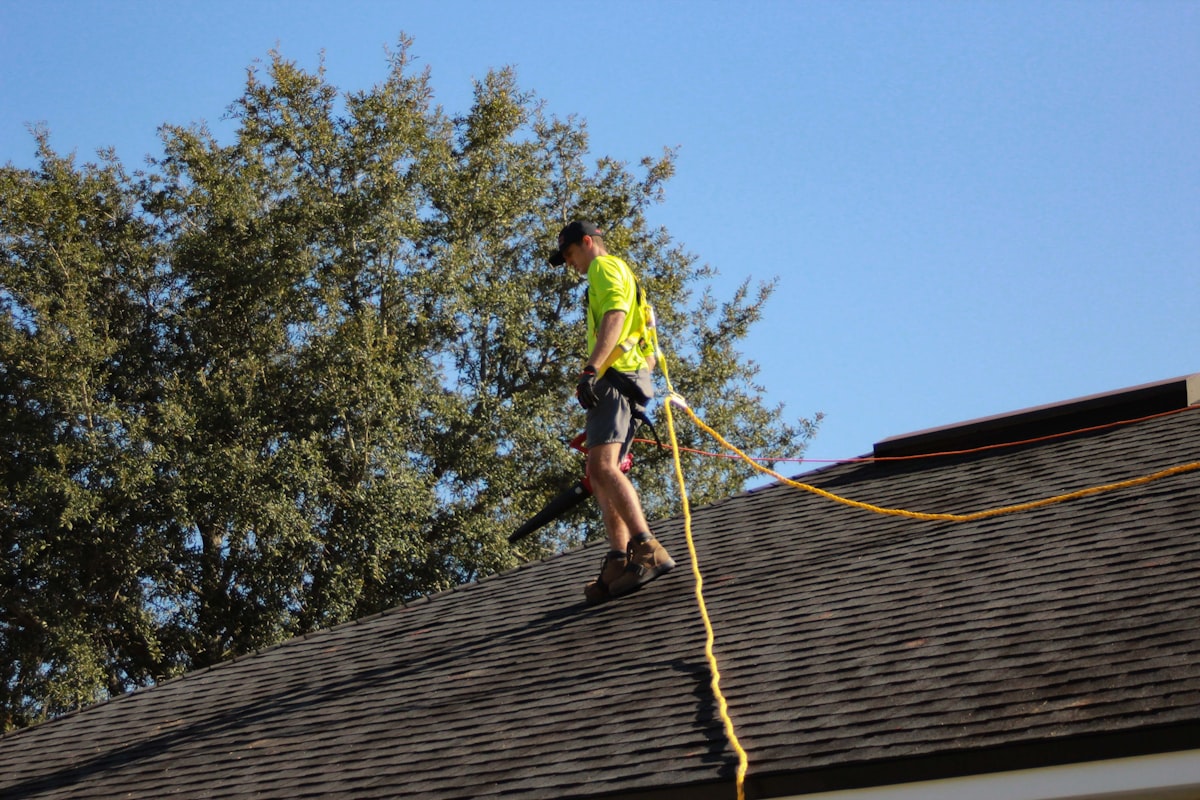
Best Metal Roofing Materials for Hurricane Zones: Coastal SC Guide (2026)
Best metal roofing materials for hurricane zones in coastal SC. Compare aluminum, steel, copper, zinc wind ratings, salt corrosion data, and SC insurance savings. Call (843) 877-5539.
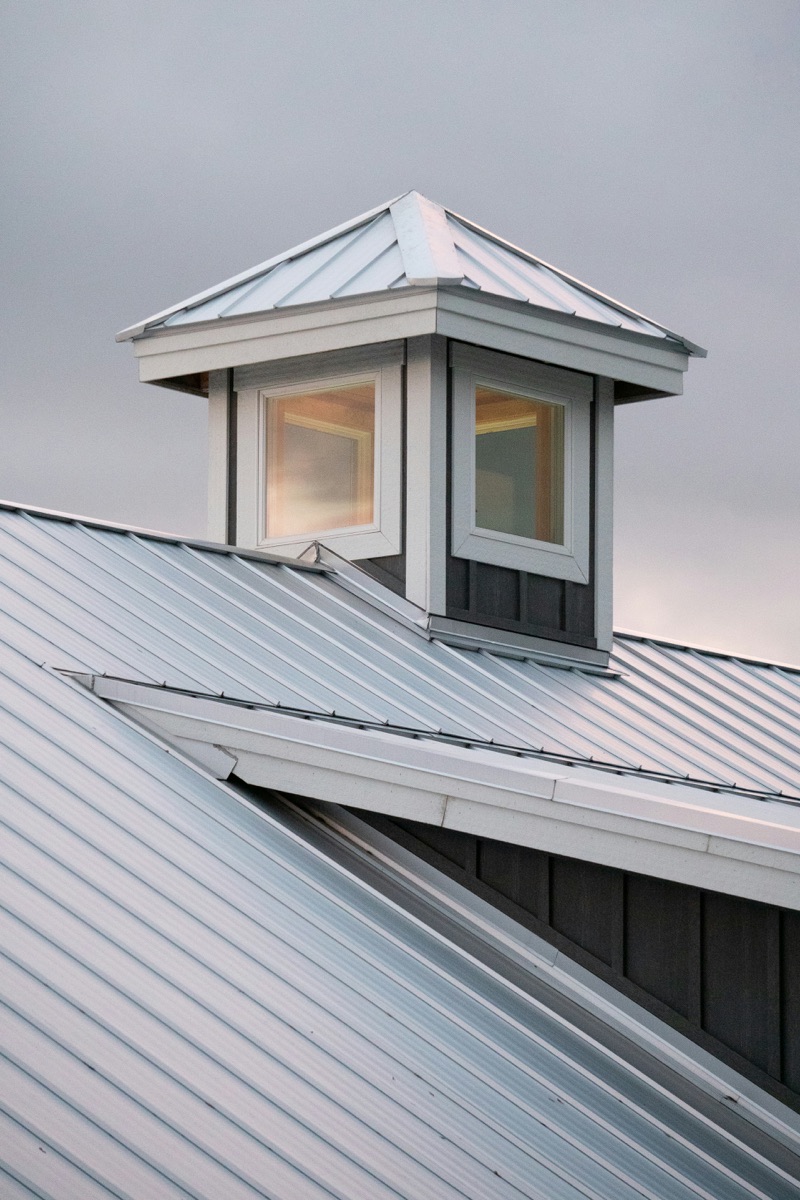
Metal Roofing Pros and Cons: Honest Guide for Coastal SC Homeowners
Discover the real pros and cons of metal roofing for coastal South Carolina homes. Covers salt air corrosion, hurricane wind ratings, SC insurance discounts, the 3-Zone Coastal Framework, and more.

Standing Seam Metal Roof: The Definitive Guide (2026)
Standing seam metal roof guide: snap-lock vs mechanical lock, steel vs aluminum panels, 50+ year lifespan, hurricane ratings up to 180 mph. Trusted Myrtle Beach installer.