
Hail Damage Roof: Complete Identification, Repair & Insurance Claim Guide for Myrtle Beach (2026)

Shocking Industry Truth
Hail damage is one of the most common -- and most misunderstood -- forms of roof damage in Myrtle Beach and the Grand Strand. Every year, severe thunderstorms and tropical systems push hailstones across Horry County and Georgetown County, leaving behind damage that is often invisible from the ground but devastating to your roof's remaining lifespan. When you add hurricane-force winds, flying debris, and wind-driven rain to the equation, coastal South Carolina roofs face a combination of storm threats that no other region in the state experiences.
This guide is the most comprehensive resource available on identifying hail damage, understanding wind and hurricane roof damage, knowing what to do immediately after a storm, filing an insurance claim, emergency tarping, and deciding between repair and replacement -- all written specifically for homeowners in Myrtle Beach and the surrounding Grand Strand communities. We cover every storm damage scenario you are likely to encounter living on the South Carolina coast.
At WeatherShield Roofing, we are a GAF Certified Plus™ Certified Plus™ contractor rated 5.0 stars with 82+ reviews from Myrtle Beach homeowners. We have inspected and repaired hundreds of storm-damaged roofs across the Grand Strand, and we provide free post-storm roof inspections with full photo documentation. This guide reflects what we see in the field every storm season -- not generic advice pulled from a national website.
This article is part of our storm damage content cluster. For related topics, see our guides on what to do first after hurricane roof damage, our complete storm damage repair guide, our insurance claim guide for roof replacement in SC, our complete guide to wind damaged roofs, and our guide to protecting your roof from hail and hurricane damage.
Need Immediate Storm Damage Help?
If your roof is actively leaking, has missing shingles, or sustained visible damage from a recent storm, do not wait. WeatherShield Roofing provides emergency tarping and temporary repairs to prevent further interior damage. Call (843) 877-5539 now for a free emergency assessment.
Free Post-Storm Roof Inspection
Not sure if your roof has storm damage? Most hail and wind damage is invisible from the ground. WeatherShield provides free, no-obligation post-storm inspections with comprehensive photo documentation you can use for your insurance claim. Call (843) 877-5539 to schedule yours.
Ready to Protect Your Investment?
Schedule your free roof inspection today. No obligations, just peace of mind.
How to Identify Hail Damage on Your Roof: The Visual Guide
Hail damage to a roof is one of the hardest types of storm damage to identify without getting on the roof. Unlike wind damage that tears off shingles or hurricane damage that leaves obvious destruction, hail damage is often subtle. A roof can sustain hundreds of hail impacts during a single storm and look perfectly normal from your driveway. But those impacts are silently shortening your roof's life by years -- and they are covered by insurance if you know what to look for and act quickly.
Here is exactly what hail damage looks like on the most common roofing materials in Myrtle Beach, plus the secondary indicators that confirm a hail event affected your property.
Hail Damage to Asphalt Shingles (Most Common in Myrtle Beach)
More than 80% of homes in the Grand Strand have asphalt shingle roofs -- either three-tab or architectural (dimensional) shingles. Hail affects both types, but the damage presents differently:
Granule Loss (Most Common)
When hailstones strike an asphalt shingle, they dislodge the protective granules on the surface. These granules are the shingle's first line of defense against UV radiation and water. Without them, the asphalt mat beneath is exposed and begins degrading rapidly. Granule loss appears as dark, irregularly-shaped spots on the shingle surface where the underlying black mat is visible. After a hailstorm, you will often find excessive granule accumulation in your gutters and at downspout discharge points -- this is one of the first ground-level indicators of hail damage.
Bruised or Soft Spots
Hail impacts can fracture the fiberglass mat beneath the granule layer without visibly cracking the shingle. When you press on a hail-bruised area with your thumb, it feels soft or spongy compared to an undamaged area. This is called a "hail bruise" and it is one of the most critical types of damage because it compromises the shingle's structural integrity while remaining nearly invisible. Insurance adjusters test for bruising by running their hands across the shingle surface -- your contractor should do the same during inspection.
Cracked Shingles
Larger hailstones -- typically 1 inch in diameter or greater -- can crack asphalt shingles outright. Cracks from hail typically radiate outward from the impact point in a starburst pattern, distinguishing them from thermal cracks (which run in straight lines along the shingle). Cracked shingles are an immediate waterproofing failure -- water flows directly through the crack to the underlayment and roof deck below. In Myrtle Beach, where heavy rainfall follows many hailstorm events, cracked shingles lead to leaks quickly.
Exposed Fiberglass Mat
In severe hail events with stones 1.5 inches or larger, the impact can strip away both the granules and the asphalt coating, exposing the white or tan fiberglass mat underneath. This is obvious damage even to an untrained eye and represents a complete failure of the shingle at the impact point. If you see exposed mat, your roof needs immediate attention -- those areas will leak with the next rain.
Hail Damage to Metal Components
Metal components on and around your roof are some of the best hail damage indicators because dents in metal are obvious and permanent:
- Gutters and downspouts: Hail dents in aluminum gutters are often the easiest damage to spot from ground level. Look for small, round dents along the length of your gutters. If your gutters are dented, your roof shingles above them almost certainly sustained impacts too.
- Roof vents and exhaust caps: Metal roof vents, turbine vents, and exhaust caps dent readily from hail. These dents can also compromise the seal around the vent, creating a leak path.
- Metal flashing: Step flashing along walls, valley flashing, and chimney flashing will show dents from hail impacts. Dented flashing can also be bent out of position, breaking the water seal.
- HVAC units: Your outdoor AC unit is an excellent hail indicator. Check the aluminum fins on the condenser -- if they are dented or flattened, hail hit your property hard enough to damage your roof too.
- Mailbox and outdoor fixtures: Painted metal surfaces like mailboxes, light fixtures, and fence caps will show hail impacts as small dings or chipped paint. Document these as supplementary evidence for your insurance claim.
Hail Damage to Other Roofing Materials
While less common in Myrtle Beach, some homes have tile, slate, wood shake, or metal roofs. Hail affects each differently:
- Wood shake shingles: Hail splits wood shakes along the grain. Look for fresh splits with sharp, clean edges and orange-colored exposed wood (as opposed to gray, weathered splits from aging).
- Clay and concrete tile: Hail cracks and chips tile. Cracked tiles need immediate replacement because water penetrates directly through the break.
- Standing seam metal roofing: Hail dents metal panels but rarely compromises waterproofing integrity unless the dent is at a seam. However, cosmetic dent damage on metal roofs is a common insurance claim.
- Slate roofing: Hail can chip or crack slate tiles. Damaged slate loses its waterproofing capability and must be replaced individually.
Secondary Hail Damage Indicators Around Your Property
Insurance adjusters look at your entire property to confirm a hail event occurred. These secondary indicators support your roof damage claim:
- Dented or dimpled siding: Vinyl siding shows hail impacts as round dimples; aluminum siding shows dents.
- Damaged window screens: Hail tears or dents window screens. Check all exterior-facing screens.
- Chipped or spalled deck and patio paint: Horizontal painted surfaces show hail impacts clearly.
- Damaged outdoor furniture and grills: Check for dents and dings on anything that was outside during the storm.
- Vehicle damage: If your car was outside and has hail dents, your roof absolutely needs professional inspection.
Pro Tip: The Chalk Test
During a professional roof inspection for hail damage, contractors use chalk to mark each individual hail impact on the shingles. This makes the damage pattern visible in photographs and helps the insurance adjuster verify the extent of damage. If your roofer is not performing the chalk test during a hail damage inspection, they are not doing a thorough job. WeatherShield performs the chalk test on every hail damage inspection because it produces the strongest documentation for your insurance claim.
Hail Damage vs. Normal Wear and Tear: How to Tell the Difference
Distinguishing hail damage from normal wear and tear is the single most important skill in a successful roof damage insurance claim. Insurance companies only pay for damage caused by a covered peril -- hail, wind, fire, falling objects. They do not pay for damage caused by aging, weathering, or lack of maintenance. If the adjuster determines your roof damage is wear and tear rather than storm-related, your claim will be denied.
Here is how the two differ, and why the distinction matters for Myrtle Beach homeowners whose roofs age faster due to our coastal environment.
Hail Damage Characteristics
Genuine hail damage has specific physical characteristics that trained inspectors look for:
- Random impact pattern: Hail hits are randomly distributed across the roof surface. They do not follow a pattern related to roof features, water flow, or foot traffic.
- Consistent impact size: Impacts from a single hailstorm will be roughly consistent in size because the hailstones were approximately the same diameter. Multiple sizes suggest multiple storm events.
- Round or oval shape: Individual hail impacts on shingles create round to oval depressions where granules are dislodged. The shape corresponds to the hailstone's profile at impact.
- Directional concentration: Hail often falls at an angle due to wind. This means one side of the roof (the windward side) typically shows more impacts than the leeward side. This directional pattern is strong evidence of a specific storm event.
- Fresh granule displacement: Newly displaced granules from hail leave clean, sharp-edged exposure. The exposed area has not yet begun to weather or oxidize.
- Soft bruising beneath impacts: Hail fractures the fiberglass mat, creating a soft spot beneath the impact. This is the definitive test -- wear and tear does not create soft spots.
Normal Wear and Tear Characteristics
In contrast, normal aging produces distinctly different patterns:
- Uniform granule loss: Aging causes gradual, even granule loss across the entire shingle surface -- not concentrated at random impact points.
- Curling and cupping: Shingles curl upward at the edges or cup in the center as the asphalt dries out over time. Hail does not cause curling.
- Thermal cracking: Heat cycling causes cracks that run in straight, parallel lines along the shingle. These look nothing like the starburst cracks from hail impacts.
- Algae and moss growth: Black streaks (algae) and green growth (moss) are biological degradation from moisture and humidity -- extremely common in Myrtle Beach but not caused by hail.
- Blistering: Trapped moisture in the shingle can cause blisters that pop and expose the mat. Blisters are round like hail hits but have a distinctive volcanic or cratered appearance around the edges -- not a clean depression.
- Pattern follows roof features: Wear concentrates along water flow paths, at roof edges exposed to prevailing wind, and in valleys where water collects. This follows the roof geometry, not a random impact pattern.
The Comparison Table Insurance Adjusters Use
| Characteristic | Hail Damage | Normal Wear & Tear |
|---|---|---|
| Granule loss pattern | Random, concentrated at impact points | Uniform across entire shingle surface |
| Shingle mat | Soft, spongy at impact points (bruised) | Firm but brittle throughout |
| Crack pattern | Starburst radiating from impact point | Straight, parallel thermal cracks |
| Distribution | Random with directional wind bias | Follows water flow and sun exposure |
| Edges of exposed area | Clean, sharp-edged displacement | Gradual, feathered loss |
| Metal components | Round dents present on vents, flashing, gutters | Corrosion and rust, no dents |
| Shingle shape | Flat with localized depressions | Curled, cupped, or buckled |
Why This Matters More in Coastal SC
In Myrtle Beach, the distinction between hail damage and wear is more complicated than inland areas because our roofs age faster. A 12-year-old roof here can look like a 20-year-old roof in Columbia. Insurance adjusters know this, and some will try to attribute legitimate hail damage to "pre-existing wear" because the roof already shows signs of coastal aging.
This is exactly why you need a contractor who understands the difference and can document it clearly. At WeatherShield, we photograph every hail impact with the chalk test, provide close-up images distinguishing hail hits from wear patterns, and write detailed inspection reports that walk the adjuster through the evidence. If your claim involves an older roof with both hail damage and wear, that documentation is the difference between approval and denial.
For more on navigating the insurance process when your claim is disputed, read our guide on what to do when your roof insurance claim is denied.
Wind Damage to Roofs: What 60, 80, and 100+ MPH Winds Do
Wind is the most common cause of storm damage to roofs in Myrtle Beach. While hail gets a lot of attention, it is wind -- from severe thunderstorms, tropical storms, hurricanes, and nor'easters -- that tears off shingles, peels back flashing, and creates the entry points that let water pour into your home. Understanding how different wind speeds affect your roof helps you assess damage severity and know when you are dealing with a minor repair versus a major problem.
Wind Speed and Roof Damage: What to Expect
| Wind Speed | Storm Type | Typical Roof Damage | Damage Severity |
|---|---|---|---|
| 45-57 MPH | Severe thunderstorm | Loosened shingles, broken seal strips, minor flashing lift | Minor -- repairable |
| 58-74 MPH | Severe thunderstorm / Tropical storm | Missing shingles, torn ridge caps, damaged soffit, gutter damage | Moderate -- repair or partial replacement |
| 74-95 MPH | Category 1 hurricane | Large sections of missing shingles, exposed roof deck, flashing failures, water intrusion | Significant -- partial to full replacement |
| 96-110 MPH | Category 2 hurricane | Widespread shingle loss, structural damage to decking, debris penetration, severe water damage | Major -- full replacement likely |
| 111+ MPH | Category 3+ hurricane / Strong tornado | Complete roof failure, structural framing damage, roof deck detachment, total destruction | Catastrophic -- full rebuild required |
How Wind Damages Roofs: The Physics
Wind does not just blow shingles off -- it creates a complex set of forces that attack your roof from multiple angles:
Uplift Force
When wind flows over your roof, it creates negative pressure (suction) on the leeward side and at the ridge. This uplift force pulls shingles upward and away from the roof deck. Roof edges, corners, and ridge lines experience the strongest uplift -- which is why these areas are damaged first in a windstorm. In Myrtle Beach, where many homes have hip roofs designed for wind resistance, corners and ridge caps remain the most vulnerable points.
Pressure Differential
High winds create low pressure above the roof while the air pressure inside your attic remains normal. This pressure differential pushes upward on the roof deck from below while wind pulls from above. If your attic is not properly sealed, this combined force can lift entire sections of roofing. Homes with soffit vents that allow wind-driven air into the attic can experience amplified uplift during hurricanes.
Progressive Peeling
Wind damage is progressive. Once the first shingle lifts and the seal strip breaks, the shingle becomes a lever that catches more wind and peels the next shingle. This chain reaction can strip an entire roof slope in minutes during a strong storm. The key to preventing progressive peeling is proper installation with adequate nail placement and strong adhesive seal strips -- something that older roofs in Myrtle Beach often lack.
Wind-Driven Rain
Perhaps the most insidious wind effect: horizontal rain. When wind pushes rain sideways at 60+ mph, water is forced under shingle laps, through nail holes, around flashing seals, and into every micro-gap in your roof system. Wind-driven rain can cause interior water damage even when all shingles remain in place. In coastal SC, where storms bring both high wind and heavy rain simultaneously, this is one of the most common damage mechanisms.
Directional Damage Patterns
Wind damage is directional -- it is heaviest on the side of the roof facing the wind. This is important for two reasons:
- Insurance documentation: Directional damage that aligns with the reported wind direction of a specific storm is strong evidence that the damage is storm-related, not pre-existing.
- Repair scope: The windward face of your roof may need full replacement while the leeward side needs only spot repairs. A thorough inspection of all roof faces is essential to assess the complete picture.
In Myrtle Beach, prevailing storm winds typically come from the east and southeast during hurricanes (as they approach the coast) and from the northeast during nor'easters. Knowing which side of your roof faces these directions helps you anticipate where damage is most likely. For a deep dive into wind damage specifics, read our complete guide to wind damaged roofs.
Important: Seal Strip Failure Is Hidden Damage
One of the most dangerous forms of wind damage is invisible: broken adhesive seal strips. High winds can break the seal bond between shingle layers without actually removing any shingles. Your roof looks fine, but the shingles are now only held by nails -- not nails plus adhesive. The next windstorm, even a moderate one, will strip those shingles off with much less force. If your area experienced 60+ mph winds, a professional inspection is essential even if you see no visible damage.
Hurricane Roof Damage in Coastal South Carolina
Myrtle Beach sits in one of the most hurricane-active zones on the Atlantic Coast. Since 2016, the Grand Strand has been impacted by Hurricanes Matthew, Florence, Isaias, Ian, and Helene -- plus the December 2023 tornado outbreak that produced multiple tornadoes in Horry County. Living on the South Carolina coast means your roof faces threats that inland homeowners simply do not experience: sustained hurricane-force winds, massive flying debris fields, wind-driven rain measured in feet rather than inches, and storm surge that can undermine your entire structure.
Here is what hurricane damage specifically looks like in our area and why it requires a different repair approach than standard storm damage.
How Hurricanes Damage Myrtle Beach Roofs
Sustained Wind vs. Gusts
Unlike a thunderstorm where high winds last minutes, hurricane-force winds can batter your roof for hours. A Category 1 hurricane with 80 mph sustained winds and 100 mph gusts can stress your roof continuously for 6 to 12 hours. This sustained loading fatigues shingle adhesives, works nails loose, and progressively peels roofing in a way that a brief thunderstorm gust does not. By the time the eye passes and wind reverses direction, your roof has been under assault from one direction long enough to significantly weaken the entire windward face.
Flying Debris Impact
Hurricanes turn everything into a projectile. Tree branches, signs, patio furniture, construction materials, and even shingles from neighboring homes become airborne missiles that puncture, crack, and penetrate roofing materials. In the Grand Strand, with its dense concentration of homes and commercial buildings near the coast, the debris field during a hurricane is massive. Debris impacts can cause damage ranging from minor punctures to complete penetration of the roof deck.
Wind-Driven Rain Infiltration
Hurricanes dump extraordinary amounts of rain -- Hurricane Florence dropped over 23 inches on parts of Horry County in 2018. When that volume of water is driven horizontally by 80+ mph winds, it finds every weakness in your roof system. Water infiltrates beneath shingles, through nail holes, around flashing, through ridge vents, and into soffits. The resulting interior damage can be far more expensive than the roof damage itself, affecting insulation, drywall, electrical systems, and personal property.
Roof Deck Uplift
In stronger hurricanes (Category 2+), the uplift force can be powerful enough to detach the roof deck (plywood sheathing) from the trusses or rafters below. This is the most catastrophic form of wind damage because once the deck lifts, the entire roof system fails and the interior of the home is exposed. Homes built before 2003 in Myrtle Beach often lack the hurricane straps and enhanced nailing patterns required by current code, making them more vulnerable to deck uplift.
Myrtle Beach Hurricane History: Impact on Current Roofs
Every major storm that has hit the Grand Strand has left a mark on local roofs -- and the cumulative damage matters for your current roof's condition:
- Hurricane Florence (2018): The slow-moving Category 1 storm dropped record rainfall and caused widespread wind damage across Horry County. Many roofs replaced after Florence are now 7-8 years old and may have sustained additional damage from subsequent storms.
- Hurricane Isaias (2020): Tracked directly up the coast with sustained winds and spawned tornadoes in the Grand Strand. Roofs that survived Florence may have taken additional hits from Isaias.
- Hurricane Ian (2022): Made a second landfall near Georgetown as a Category 1, bringing significant wind to the Myrtle Beach area. This added a third major wind event in just four years.
- December 2023 Tornadoes: An unusual winter tornado outbreak produced multiple tornadoes across the area, causing concentrated but severe damage in affected neighborhoods.
- Hurricane Helene (2024): Though landfall was in Florida, the massive storm brought tropical storm conditions and storm surge to the Grand Strand.
The takeaway: if your roof is 5 or more years old in Myrtle Beach, it has been through multiple significant storm events. Each event may have caused damage -- cracked seals, loosened nails, micro-fractures in shingles -- that accumulated without being identified or repaired. A comprehensive inspection after each storm season is the only way to catch this cumulative damage before it leads to a catastrophic failure during the next hurricane.
For detailed guidance on what to do immediately after a hurricane, read our guide on hurricane roof damage in Myrtle Beach: what to do first.
Free Hurricane Damage Assessment
Has your roof been through multiple hurricane seasons without a professional inspection? WeatherShield provides free, comprehensive hurricane damage assessments with detailed photo documentation. We identify both obvious and hidden cumulative storm damage so you know exactly where your roof stands before the next hurricane season. Call (843) 877-5539 to schedule.
What to Do Immediately After Storm Damage: Emergency Steps
The first 24 to 72 hours after storm damage are the most critical window for protecting your home and preserving your insurance claim. What you do -- and what you avoid doing -- during this period directly affects your safety, the extent of secondary damage, and whether your insurance company approves or denies your claim. Follow these steps in order.
Step 1: Ensure Your Safety
Before you think about your roof, think about your safety:
- Wait for the all-clear: Do not go outside until the storm has fully passed and emergency services have cleared your area. In hurricane situations, the eye of the storm can create a false sense of safety.
- Watch for downed power lines: After any storm in Myrtle Beach, downed power lines are common. Stay away from any lines on the ground and call Santee Cooper or your electric provider immediately.
- Do NOT get on your roof: A storm-damaged roof is extremely dangerous. Wet shingles are slippery, damaged decking can give way under your weight, and hidden structural damage can cause collapse. Leave roof access to professionals.
- Evacuate if structural damage is severe: If you see significant sagging, large holes in the roof, or the roof structure appears compromised, leave the home and contact emergency services.
Warning: Never Get on a Storm-Damaged Roof
Every year, Myrtle Beach homeowners are seriously injured falling from storm-damaged roofs. Wet, damaged roofing is unpredictable -- shingles shift under foot, decking can have hidden soft spots, and flashing edges become razor-sharp. A professional roofer has the equipment, training, and insurance to safely inspect a damaged roof. Call (843) 877-5539 for a safe, free inspection.
Step 2: Document Everything Before Touching Anything
This is the single most important step for your insurance claim. Before moving debris, before tarping, before cleaning up -- document the damage:
- Photograph all four sides of your home from a distance that shows the full roofline and any visible damage.
- Take close-up photos of every area of visible damage -- missing shingles, dented gutters, displaced flashing, debris on the roof.
- Document interior damage: Water stains on ceilings, active leaks, damaged personal property, wet insulation visible in the attic.
- Photograph debris on the ground: Shingles, flashing pieces, tree limbs, and any other storm debris around your property.
- Record video of active leaks: Video showing water actively entering your home is powerful insurance claim evidence.
- Include timestamps: Make sure your phone's date/time stamp is enabled. Adjusters need to verify the damage occurred during the claimed storm event.
- Photograph neighboring properties: If your neighbors' homes also show damage, document it. This establishes that a significant storm event affected your area -- useful if the insurer disputes whether the storm was severe enough to cause the damage you are claiming.
- Save fallen roofing materials: Keep any shingles, flashing, or other roofing materials that landed in your yard. These are physical evidence of the damage.
Photo Documentation Tips for Insurance Claims
Take more photos than you think you need. Insurance claims live and die by documentation. Use your phone's highest resolution setting. Shoot in landscape orientation for roof photos (adjusters prefer this). Include a reference object in close-up shots -- a coin, pen, or your hand -- to show scale. Photograph all metal surfaces (gutters, vents, AC units, mailbox) for hail dent evidence. Create a dated written log describing the damage in addition to photos. The more thorough your documentation, the stronger your claim. For a complete walkthrough of the insurance process, read our guide to getting insurance to pay for roof replacement in SC.
Step 3: Prevent Further Damage (Mitigation)
South Carolina insurance law requires you to take reasonable steps to prevent further damage after a storm. This is called your "duty to mitigate." Failure to mitigate can give your insurer grounds to deny or reduce your claim for any secondary damage (like water damage from a leak you did not tarp).
Reasonable mitigation steps include:
- Cover holes and missing shingle areas with a tarp (see our emergency tarping guide in the next section).
- Place buckets under active leaks to prevent water damage to flooring.
- Move furniture and valuables away from leak areas.
- Board up broken windows or openings if debris created holes in your home.
- Remove standing water from interior spaces if safe to do so.
Save all receipts for any mitigation supplies or services you purchase (tarps, buckets, plywood, emergency tarping service). Your insurance should reimburse these costs as part of your claim.
Step 4: Contact Your Insurance Company
File your claim as soon as possible -- ideally within 24 to 48 hours of the storm. In South Carolina, there is no specific statute of limitations for filing a property damage claim, but delays hurt you in several ways: the insurer may question whether the damage is from the claimed storm, evidence can be lost or degraded, and secondary damage can worsen. After a major hurricane, insurers are flooded with claims and process them in the order received -- filing early gets you in the queue sooner.
Step 5: Call a Licensed Local Roofing Contractor
Before the insurance adjuster visits, get an independent inspection from a reputable local roofing contractor. This serves two critical purposes: it identifies damage the adjuster might miss (adjusters often inspect from the ground or spend limited time on the roof), and it gives you an independent damage assessment to compare against the adjuster's report.
Warning: Beware of Storm Chasers
After every major storm in Myrtle Beach, out-of-state "storm chaser" roofing companies flood the area. They go door-to-door offering free inspections and push you to sign contracts immediately. Many disappear after collecting payment, leave work unfinished, or perform substandard repairs with no local warranty support. Always verify that your contractor is: licensed in South Carolina, locally established (not operating from a hotel room), insured with verifiable coverage, and willing to provide local references. WeatherShield Roofing has been serving Myrtle Beach homeowners for years with a verified 5.0-star rating -- we will be here long after the storm chasers leave.
For temporary repair options while you wait for your claim to process, see our guide on how to temporarily fix a leaking roof.
Filing a Roof Damage Insurance Claim: Step-by-Step Process
The insurance claim process for storm-damaged roofs in South Carolina has specific steps, timelines, and pitfalls. Understanding the process before you start gives you a significant advantage -- especially in coastal SC where insurers are experienced at minimizing storm damage payouts. This section walks you through the entire process from first call to final payment.
Step 1: Report the Claim to Your Insurance Company
Call your insurance company's claims line (the number on your insurance card or declarations page) and report the damage. During this call:
- State the date of the storm and the type of storm (hail, wind, hurricane, tornado).
- Describe the damage you can see without speculating on what you cannot see.
- Mention any interior water damage to establish the urgency.
- Ask about your deductible: Is it a flat dollar amount or a percentage? In coastal SC, you may have a separate, higher "named storm" or "hurricane" deductible (typically 2-5% of your home's insured value). Understanding your deductible upfront helps you assess whether filing is worthwhile.
- Get a claim number and the name of the adjuster assigned to your claim.
- Ask about the timeline for the adjuster's inspection.
Step 2: Get an Independent Contractor Inspection
Before the insurance adjuster arrives, have a licensed roofing contractor inspect your roof and provide a written report with photos. This independent assessment:
- Identifies all damage, including hidden damage the adjuster may miss
- Provides a detailed scope of work with measurements
- Gives you a repair or replacement estimate to compare against the adjuster's
- Creates a comprehensive photo record that supplements your own documentation
- Establishes an independent record in case you need to dispute the adjuster's findings
WeatherShield provides this inspection and report completely free, with no obligation. We document every finding with photos and measurements so you have the strongest possible evidence for your claim.
Step 3: The Insurance Adjuster Inspection
The insurance company will send an adjuster to inspect your property. Here is how to prepare and what to expect:
- Be present during the inspection: Walk the property with the adjuster and point out all damage you have documented.
- Have your contractor present if possible: Your roofing contractor can point out damage the adjuster might overlook and discuss repair methodology.
- Share your photo documentation: Show the adjuster your photos and video, especially interior damage evidence.
- Ask questions: Request that the adjuster explain what they are documenting, what they consider covered damage versus wear, and their preliminary assessment.
- Do not sign anything at the inspection beyond acknowledging the adjuster visited. Do not agree to a settlement amount on the spot.
Watch Out: Desk Adjusters and Drive-By Inspections
After major storms, some insurance companies use "desk adjusters" who review satellite imagery rather than physically inspecting your roof, or send adjusters who only inspect from the ground. Satellite and ground-level inspections miss the majority of hail damage, seal strip failures, and other damage that requires hands-on roof-top inspection. If your adjuster does not physically get on your roof, request a re-inspection. You have the right to a thorough in-person inspection of your property.
Step 4: Review the Adjuster's Report and Estimate
After the inspection, you will receive the adjuster's report and damage estimate (usually within 1-2 weeks, though after major storms it can take longer). Review it carefully:
- Compare line by line with your contractor's estimate. Are the same areas of damage identified?
- Check the measurements: Did the adjuster measure the correct roof area? Underestimating square footage is one of the most common ways claims are underpaid.
- Verify the scope: Does the estimate include all necessary components -- shingles, underlayment, flashing, ridge caps, drip edge, ice and water shield, pipe boots, ventilation?
- Check for excluded items: Look for line items marked as "not covered" or "wear and tear." If your contractor documented these as storm damage, this is a point of dispute.
- Confirm the correct deductible was applied: For non-named storms in SC, your standard deductible applies. For named storms (hurricanes, named tropical storms), your named storm deductible applies -- which is often significantly higher.
Step 5: Dispute or Supplement If Needed
If the adjuster's estimate is significantly lower than your contractor's estimate, you have several options:
- Request a re-inspection: Ask your insurance company to send a different adjuster to re-inspect the property, preferably with your contractor present.
- File a supplement: Your contractor submits additional documentation, photos, and a detailed scope of work showing damage or necessary repairs the adjuster missed.
- Invoke appraisal: Most SC homeowner policies include an appraisal clause. If you and the insurer cannot agree on the amount of loss, either party can demand appraisal -- where independent appraisers determine the damage value.
- File a complaint with SC DOI: The South Carolina Department of Insurance handles consumer complaints about claim handling practices.
- Hire a public adjuster: A licensed public adjuster represents your interests (not the insurance company's) and typically works on a percentage of the settlement increase.
For comprehensive guidance on fighting a lowball or denied claim, read our guides on what to do when your roof insurance claim is denied and how to get insurance to pay for roof replacement in SC.
Step 6: Approve the Work and Get Your Roof Fixed
Once you and the insurer agree on the damage amount (or reach a resolution through supplement or appraisal), you will receive payment. In SC, the payment process typically works like this:
- Initial payment: The insurer issues a check for the Actual Cash Value (ACV) of the damage minus your deductible. If your mortgage company is listed on the policy, the check may be made out to both you and the mortgage company.
- Recoverable depreciation: If you have Replacement Cost Value (RCV) coverage, the insurer withholds the depreciation amount until the work is actually completed. Once your contractor finishes and submits the final invoice, the insurer releases the depreciation holdback -- this is called "recoverable depreciation."
- Supplements: If additional damage is discovered during the repair process (which is common -- hidden damage is often found once the old roofing is removed), your contractor files a supplement for the additional work.
WeatherShield Handles Insurance Claims for You
The insurance claim process is stressful and time-consuming. WeatherShield works directly with your insurance company on your behalf -- from the initial inspection and documentation through supplements, re-inspections, and final payment. We have worked hundreds of storm damage claims in the Myrtle Beach area and know how to ensure you receive the full amount you are entitled to. Call (843) 877-5539 to get started.
Emergency Roof Tarping Guide: Materials, Methods & When to Call a Pro
Emergency roof tarping is the most critical mitigation step after storm damage. When your roof has missing shingles, holes from debris, or exposed areas, a properly installed tarp prevents water from entering your home and causing additional damage to insulation, drywall, electrical systems, and personal property. In Myrtle Beach, where another rainstorm can follow within hours of the initial storm, getting a tarp in place quickly is essential.
This section covers when to tarp, what materials you need, how emergency tarping works, and when you should call a professional instead of attempting it yourself.
When Does Your Roof Need Emergency Tarping?
Your roof needs a tarp if any of these conditions exist:
- Missing shingles: Any area larger than a few square feet where shingles are completely gone, exposing the underlayment or roof deck.
- Debris holes: Tree limbs or flying debris that punctured the roof surface.
- Active leaks: Water is entering the home through the roof. Even if you cannot pinpoint the entry point from outside, the leak needs to be covered from above.
- Lifted or peeled flashing: When flashing around chimneys, walls, or vents is pulled away, the gap must be covered.
- Ridge cap damage: Missing or damaged ridge caps expose the ridge line -- the highest point of water vulnerability on any roof.
- Exposed roof deck: Any area where you can see the plywood or OSB decking through missing roofing material.
Materials for Emergency Roof Tarping
If you need to purchase materials for a professional tarping service or understand what is involved, here is what is needed:
| Material | Specification | Purpose |
|---|---|---|
| Heavy-duty tarp | Minimum 10-mil polyethylene; blue or silver UV-resistant | Primary water barrier; must extend 4 feet past damage in all directions |
| 2x4 lumber | 8-foot lengths; pressure-treated preferred | Weight bars along the tarp edges to secure against wind |
| Roofing screws or cap nails | 3-inch galvanized screws or roofing nails with rubber washers | Anchor the 2x4 battens through the tarp into the roof deck |
| Rope or bungee cords | UV-resistant nylon rope, 1/4-inch minimum | Additional tie-down points for high-wind areas |
| Duct tape or tarp tape | Heavy-duty exterior grade | Sealing tarp edges and grommets for extra water protection |
How Professional Emergency Tarping Works
A proper emergency tarp installation follows a specific method to ensure it stays in place during subsequent storms and does not cause additional damage:
- Assess the damage area from above: The roofer identifies the full extent of the damage and determines tarp coverage needed (the tarp must extend at least 4 feet past the damage in all directions).
- Clear debris: Remove any loose shingles, nails, or debris from the area to create a smooth surface for the tarp.
- Position the tarp: The tarp is unrolled over the damage, extending over the ridge line if possible (this prevents water from flowing under the tarp from above).
- Secure the uphill edge first: A 2x4 batten is placed along the top edge of the tarp and screwed through the tarp into the roof deck. This anchors the top and prevents wind from lifting the tarp from underneath.
- Secure the sides and bottom: Additional 2x4 battens are screwed along the sides and bottom edge of the tarp. The bottom edge tarp is wrapped around the last batten to prevent water from wicking under.
- Seal all edges: Tarp tape seals the edges of the battens against the tarp to prevent water infiltration at the attachment points.
- Add supplemental tie-downs: In hurricane-prone Myrtle Beach, rope tie-downs to ground anchors or structural points provide additional security against high winds.
When to Call a Professional vs. DIY
Call a Professional When:
- The damage area is larger than a small section
- The damage is on a steep slope (6/12 pitch or greater)
- The roof is two stories or higher
- There is structural damage to the decking or framing
- High winds are still present or more storms are forecast
- You are not comfortable working at heights
- The damage is near power lines
- Multiple areas need tarping
DIY May Be Appropriate When:
- The damage is a small area on a low-slope, single-story section
- You have experience working safely at heights
- Weather is calm and dry
- You have the proper materials and a helper
- The damage is accessible without a tall ladder
- You are covering it as a temporary measure until a pro arrives
In almost every case in Myrtle Beach, we recommend calling a professional for emergency tarping. Our coastal weather is unpredictable -- calm skies can turn to heavy rain within hours. A poorly installed tarp that blows off in the next storm is worse than no tarp because it creates a false sense of security while water pours in. WeatherShield provides emergency tarping service with a rapid response time -- call (843) 877-5539.
Emergency Tarping Cost and Insurance Reimbursement
Emergency tarping is a mitigation expense that your homeowner's insurance should reimburse as part of your claim. Keep the receipt or invoice from your tarping service. In SC, reasonable mitigation costs are recoverable under your policy and are typically paid in addition to your damage repair amount -- they do not come out of your claim settlement. This means professional tarping effectively costs you nothing on an approved claim.
For additional temporary repair options, see our guide on how to temporarily fix a leaking roof.
Repair vs. Replacement After Storm Damage: The Decision Framework
After storm damage, the biggest decision you face is whether to repair the damaged areas or replace the entire roof. This decision affects your out-of-pocket cost, your insurance claim, your home's long-term protection, and your roof's remaining warranty. There is no universal answer -- it depends on the extent of damage, the age and condition of your existing roof, the type of damage, and what your insurance will cover.
Here is the framework we use to help Myrtle Beach homeowners make this decision.
Damage Severity Classification
We classify storm damage into three severity levels, each with different repair implications:
| Severity Level | Description | Examples | Typical Action | Insurance Implication |
|---|---|---|---|---|
| Cosmetic | Damage affects appearance but not function | Minor granule loss from small hail, surface dents in metal, light scuffing | Monitor -- repair not urgent | May not be covered if policy has cosmetic exclusion |
| Functional | Damage compromises waterproofing or wind resistance | Cracked shingles, broken seal strips, dented flashing, exposed mat, bruised shingles | Repair or replace affected areas | Covered -- functional damage meets the threshold for most claims |
| Structural | Damage affects the structural integrity of the roof system | Broken decking, fractured trusses, large holes, detached sections, collapsed areas | Full replacement of affected area, possibly entire roof | Covered -- structural damage always qualifies for a claim |
When Repair Makes Sense
Repair is the appropriate choice when:
- Damage is localized: Storm damage affects less than 30% of the total roof area and is concentrated in specific zones.
- Your roof is relatively new: If your roof is less than 10 years old and was properly installed, repairing the damaged sections preserves the remaining warranty and useful life.
- Matching materials are available: You can find shingles that reasonably match your existing roof in color, profile, and manufacturer. A perfect match may not be possible on an aged roof, but close matching is acceptable.
- The underlying structure is sound: The roof deck, underlayment, and flashing in the undamaged areas are in good condition.
- Insurance covers the repair cost: If the repair cost exceeds your deductible by a reasonable margin, insurance will pay for it.
When Full Replacement Is the Better Option
Full replacement makes more sense when:
- Damage exceeds 30% of the roof area: When more than a third of the roof is damaged, the cost of repair approaches replacement cost. At that point, a new roof provides better long-term value.
- Your roof is past mid-life: If your asphalt shingle roof is 15+ years old in Myrtle Beach (or past the midpoint of its realistic coastal lifespan), investing in repair extends a roof that will need replacement soon anyway.
- Matching materials are unavailable: If your shingle line has been discontinued and no reasonable match exists, a patchwork repair will be obvious and may affect your home's resale value.
- Hidden damage is likely: Severe storms often cause more damage than is visible. If the storm was intense enough to damage 30% of the roof, the remaining 70% likely sustained seal strip failures, nail pops, and micro-damage that will cause problems later.
- Insurance approves full replacement: If your adjuster determines the damage warrants full replacement and you have RCV coverage, take it. A new roof resets your insurance coverage, warranty, and the aging clock.
- Code upgrades are required: If current SC building code requires different installation methods, ventilation, or materials than what exists, full replacement ensures your new roof meets code. Ordinance or law coverage on your policy may pay for these upgrades.
The Myrtle Beach Factor: Coastal Aging Accelerates the Decision
In Myrtle Beach, the repair-vs-replacement calculation tilts toward replacement sooner than it would inland. Our salt air, humidity, UV exposure, and hurricane frequency mean a "mid-life" roof here has less remaining useful life than the same-age roof in Columbia or Greenville. When storm damage is added to coastal wear, the combined degradation often makes replacement the smarter financial decision -- especially if insurance is covering most of the cost.
Free Repair vs. Replacement Assessment
Not sure whether your storm-damaged roof needs repair or replacement? WeatherShield provides a free, honest assessment based on the damage extent, your roof's age and condition, available materials, and your insurance coverage. We will tell you the truth about what your roof needs -- even when that means recommending a simple repair instead of a more expensive replacement. Call (843) 877-5539 for your assessment.
Cost of Storm Damage Roof Repair in Myrtle Beach
Understanding the cost of storm damage roof repair helps you evaluate your insurance settlement, plan for your deductible, and make informed decisions about repair vs. replacement. Costs vary significantly based on damage type, extent, roofing material, and whether the repair is emergency (expedited) or scheduled. These ranges reflect current 2026 pricing in the Myrtle Beach market.
Repair Cost by Damage Type
| Damage Type | Typical Repair Scope | Cost Range | Notes |
|---|---|---|---|
| Emergency tarping | Tarp installation to prevent water entry | $300 - $1,200 | Reimbursable by insurance as mitigation |
| Minor shingle replacement | Replace 10-30 missing or damaged shingles | $250 - $800 | Spot repair; may not meet deductible |
| Moderate wind damage repair | One roof slope, partial shingle replacement + flashing | $1,500 - $4,000 | Common after severe thunderstorms |
| Hail damage repair | Section replacement where functional damage exists | $3,000 - $8,000 | Often escalates to full replacement if widespread |
| Flashing repair/replacement | Replace damaged step, valley, or chimney flashing | $500 - $2,500 | Critical for stopping leaks at penetrations |
| Ridge cap replacement | Replace blown-off ridge caps along the roof peak | $400 - $1,500 | One of the most common wind damage repairs |
| Roof deck repair | Replace damaged plywood/OSB sections | $75 - $150 per sheet + labor | Often discovered once old roofing is removed |
| Debris impact repair | Patch holes from tree limbs or flying debris | $500 - $3,000 | Depends on size and location of puncture |
| Full roof replacement (storm damage) | Complete tear-off and re-roof | $8,000 - $282 | Depends on size, material, and complexity |
Factors That Affect Cost in Myrtle Beach
Several factors specific to coastal SC affect storm damage repair costs:
- Post-storm demand surge: After a major hurricane or widespread hailstorm, roofing material prices and labor rates increase significantly due to demand. Material costs can increase 20-40% in the weeks following a major storm in the Myrtle Beach area.
- Roof access and pitch: Steep roofs (8/12 pitch or greater) require additional safety equipment and time. Multi-story homes add ladder and staging costs.
- Material type: Architectural shingles cost more than three-tab; metal costs more than shingles. If your existing roof is a premium material, repairs or replacement will cost accordingly.
- Code upgrades: Current SC building code may require improvements not present on your existing roof -- synthetic underlayment, additional nail patterns, ice and water shield in valleys. These add cost but may be covered by ordinance/law coverage on your policy.
- Hidden damage: The final cost often exceeds the initial estimate because hidden damage is discovered during repair. Water-damaged decking, compromised underlayment, and failed flashing are commonly found once the outer roofing is removed.
Understanding Your Deductible
In coastal South Carolina, deductibles are a significant factor in storm damage repair costs:
- Standard deductible: Typically $1,000 to $2,500 for non-named storm events (hailstorms, thunderstorms, tornadoes). This is your out-of-pocket cost before insurance pays.
- Named storm / hurricane deductible: Typically 2% to 5% of your home's insured value. On a home insured for $350,000, a 3% hurricane deductible is $10,500. This is significantly more than a standard deductible and is the primary reason many homeowners face high out-of-pocket costs after hurricanes.
- Wind/hail deductible: Some SC policies have a separate wind/hail deductible (typically 1-2% of insured value) that applies to all wind or hail events, not just named storms.
Know Your Deductible Before the Storm
Pull out your insurance declarations page right now and identify your standard deductible, your named storm/hurricane deductible, and any separate wind/hail deductible. Understanding these numbers before a storm hits lets you plan financially and make smarter decisions about filing claims. A $2,000 repair with a $2,500 deductible means insurance pays nothing -- it is better to pay out of pocket and preserve your claims history.
Seasonal Storm Timing for Myrtle Beach: When to Expect Damage
Living in Myrtle Beach means your roof faces storm threats nearly year-round, but the type and severity of those threats follow a seasonal pattern. Understanding when hail, wind, hurricanes, and other severe weather are most likely to strike helps you prepare your roof, schedule inspections, and know what to look for after each storm season.
Myrtle Beach Storm Calendar
| Season | Months | Primary Storm Threats | Roof Damage Risk | Action Items |
|---|---|---|---|---|
| Late Winter | January - February | Nor'easters, occasional ice/sleet, strong cold fronts | Moderate | Post-winter inspection; check for ice damage to flashing |
| Spring Severe | March - May | Hailstorms, severe thunderstorms, tornadoes, strong wind events | High | Peak hail season; inspect after every severe thunderstorm warning |
| Early Hurricane | June - July | Tropical storms, afternoon thunderstorms with high winds, early hurricanes | Moderate to High | Complete pre-hurricane season inspection and maintenance |
| Peak Hurricane | August - October | Hurricanes, tropical storms, associated tornadoes, extreme wind and rain | Highest | Maximum preparedness; inspect immediately after any named storm |
| Late Season | November - December | Late hurricanes, nor'easters, winter storm transitions, rare tornadoes | Moderate | Post-hurricane season inspection; winterize roof systems |
Hail Season in Myrtle Beach: March Through May
The Myrtle Beach area's peak hail season runs from March through May, when warm, moist air from the Gulf Stream collides with cold fronts moving down from the north. These collisions produce supercell thunderstorms capable of generating hailstones ranging from pea-sized to golf ball-sized. In severe years, hailstones exceeding 2 inches in diameter have been recorded in Horry County.
Key facts about Myrtle Beach hail patterns:
- March and April see the highest frequency of hail-producing storms as seasonal temperature contrasts are strongest.
- Afternoon and evening hours are the most common timeframe for hailstorm development (2 PM to 9 PM).
- Hail size of 1 inch or larger is significant enough to cause functional damage to asphalt shingles. This is the threshold where insurance claims become viable.
- Multiple hail events per season are normal. A roof that takes pea-sized hail in March and then quarter-sized hail in April has sustained cumulative damage from both events.
- Summer hail also occurs during afternoon thunderstorms (June-August) but is typically smaller and less damaging than spring hail events.
Hurricane Season: June Through November
Atlantic hurricane season runs June 1 through November 30, with the peak risk for Myrtle Beach between mid-August and mid-October. During this window, the Gulf Stream waters along the SC coast are at their warmest, providing fuel for tropical systems tracking up the coast or making landfall.
Recent years have shown that the season is extending beyond traditional boundaries -- Hurricane Helene affected the area in late September 2024, and the December 2023 tornado outbreak demonstrated that severe, hurricane-like wind events can strike even in winter.
The Year-Round Inspection Schedule We Recommend
Based on Myrtle Beach's storm patterns, here is the inspection schedule that protects your roof year-round:
- February/March: Pre-storm season comprehensive inspection. Repair any winter damage and prepare for hail season.
- After every severe thunderstorm warning: Ground-level visual check. If hail was reported, schedule a professional inspection within 2 weeks.
- May/June: Pre-hurricane season inspection. All repairs completed before August peak.
- After every named storm: Professional inspection within 1 week, regardless of whether damage is visible from the ground.
- November: Post-hurricane season inspection. Document condition for insurance purposes and address any storm season damage before winter.
Schedule Your Pre-Storm Season Inspection Now
The best time to find and fix roof damage is before the next storm. WeatherShield provides free pre-season inspections that identify vulnerabilities, repair minor issues, and ensure your roof is ready for whatever Myrtle Beach weather throws at it. Do not wait until storm season is here -- schedule now by calling (843) 877-5539.
Preventing Future Storm Damage: Upgrades, Materials & Maintenance
The best storm damage claim is the one you never have to file. While you cannot control the weather, you can significantly reduce your roof's vulnerability to hail, wind, and hurricane damage through the right materials, installation methods, and ongoing maintenance. In Myrtle Beach, where storms are a certainty rather than a possibility, investing in storm-resistant roofing is not optional -- it is essential for protecting your home and keeping your insurance premiums manageable.
Impact-Resistant Shingles: The Best Defense Against Hail
Impact-resistant (IR) shingles are specifically engineered to withstand hail impacts. They are rated using the UL 2218 standard, which classifies impact resistance from Class 1 (lowest) to Class 4 (highest). A Class 4 shingle can withstand the impact of a 2-inch steel ball dropped from 20 feet -- simulating the force of a 2-inch hailstone.
Benefits of IR shingles for Myrtle Beach homeowners:
- Hail damage resistance: Class 4 shingles resist cracking, granule loss, and mat fracture from hailstones that would destroy standard shingles.
- Insurance premium discounts: Many SC insurers offer 10-28% premium discounts for homes with Class 4 impact-resistant roofing. Over the life of the roof, these savings can offset much of the additional material cost.
- Enhanced wind resistance: IR shingles typically have higher wind ratings (130+ mph) compared to standard shingles (60-70 mph rated).
- Longer lifespan: The reinforced construction that makes IR shingles resist hail also makes them more durable against everyday weathering.
Wind-Resistant Installation Methods
The material is only as good as the installation. For Myrtle Beach, these installation upgrades significantly improve wind resistance:
6-Nail Pattern
Standard shingle installation uses 4 nails per shingle. A 6-nail pattern adds two additional nails in the high-wind zone (the strip above the adhesive line). This dramatically increases wind resistance. In Myrtle Beach, we recommend the 6-nail pattern on every roof -- it adds minimal cost and significantly improves performance. Most shingle manufacturers require the 6-nail pattern to maintain warranty coverage in high-wind zones, which includes all of coastal SC.
Starter Strip Reinforcement
The starter strip is the first course of shingles along the eave. It is the most vulnerable to wind uplift because there is no shingle below it to anchor against. Using a dedicated starter strip product (rather than cutting standard shingles) with a full-width adhesive strip provides a continuous bond along the entire eave. This is one of the most cost-effective wind upgrades available.
Enhanced Roof Deck Attachment
The connection between the roof deck (plywood) and the trusses/rafters below is the weakest link in catastrophic wind events. Ring-shank nails or deck screws driven in an 8-inch pattern (instead of the standard 12-inch) significantly improve deck retention during hurricanes. For homes built before 2003 in Myrtle Beach, upgrading the deck attachment during a re-roof is one of the best investments in storm protection.
Hurricane Straps
Metal hurricane straps (also called clips or ties) connect your roof trusses to the walls below. Without them, hurricane-force winds can lift the entire roof structure off the walls. Adding hurricane straps during a re-roof is relatively inexpensive and dramatically increases your home's resistance to catastrophic wind damage. They are also required by current SC building code for new construction and re-roofing.
FORTIFIED Roof Designation
The IBHS (Insurance Institute for Business and Home Safety) FORTIFIED Roof program is the gold standard for storm-resistant roofing. A FORTIFIED Roof designation means the roof has been built or upgraded to resist specific storm hazards through enhanced materials and installation methods verified by an independent evaluator.
FORTIFIED Roof benefits for Myrtle Beach homeowners:
- Insurance discounts: SC law requires insurers to offer premium discounts for FORTIFIED-designated homes. Discounts can range from 15% to over 40% depending on the insurer and the FORTIFIED level achieved.
- SC Safe Home Program grants: South Carolina's Safe Home Program provides matching grants of up to $5,000 for homeowners who retrofit their roofs to meet FORTIFIED standards. This can offset a significant portion of the upgrade cost.
- Proven performance: Homes with FORTIFIED Roofs have consistently outperformed standard construction in real hurricanes, sustaining significantly less damage.
For a detailed breakdown of the best roofing materials for our area, read our guide on best roofing materials for hurricane season in SC. For more on hail-specific protection strategies, see our guide on how to protect your roof from hail and hurricane damage in Myrtle Beach.
Ongoing Maintenance That Prevents Storm Damage
Regular maintenance does not prevent hail or hurricanes, but it ensures your roof is in the strongest possible condition to resist them:
- Annual professional inspections: Identify and repair minor issues (popped nails, cracked caulk, loose flashing) before they become storm vulnerabilities. A nail pop that is a minor maintenance issue in calm weather becomes a major leak path in a hurricane.
- Gutter cleaning: Clogged gutters cause water to back up under shingle edges, which weakens the adhesive bond and makes shingles more susceptible to wind lift. Clean gutters at least twice per year in Myrtle Beach.
- Tree trimming: Trim branches that overhang your roof to a minimum 10-foot clearance. Overhanging limbs become projectiles in high winds and are one of the most common causes of debris-impact roof damage.
- Attic ventilation: Proper ventilation reduces heat buildup that degrades shingles from below and helps equalize pressure during wind events, reducing uplift force.
- Flashing inspection and repair: Check all flashing points (walls, chimneys, vents, valleys) annually. Seal any gaps or lifted edges before storm season.
GAF Certified Plus™ Quality You Can Trust
WeatherShield Roofing is a GAF Certified Plus™ Certified Plus™ contractor -- a designation held by less than 2% of roofing contractors in the country. This means every roof we install meets the highest standards for materials, installation methods, and storm resistance. When we install a new roof or perform storm damage repairs, you get the strongest warranty protection available and the confidence that your roof is built to withstand Myrtle Beach weather. Call (843) 877-5539 to learn more about our storm-resistant roofing options.
The Cost Comparison: Maintenance vs. Neglect
Without Maintenance
- Roof lifespan: 12-15 years
- Insurance claims often denied
- Emergency repairs cost 3x more
- Property value decreases by 5-10%
- Warranty becomes void
- Total 20-year cost: $382
With Regular Maintenance
- Roof lifespan: 25-30+ years
- Insurance claims approved
- Prevent costly emergencies
- Property value protected
- Full warranty coverage maintained
- Total 20-year cost: $8,000-10,000
Need a roofer?
Call (843) 877-5539 for a free estimateNeed Professional Help?
WeatherShield Roofing is Myrtle Beach's highest-rated roofing company with a perfect 5.0-star Google rating. We can help with any roofing need:
Frequently Asked Questions
About the Author
David Karimi
Owner, WeatherShield Roofing
David Karimi is the owner of WeatherShield Roofing in Myrtle Beach, SC, a GAF Certified Plus™ Certified Plus™ contractor with 5.0 stars and 82+ reviews. He has inspected and repaired hundreds of storm-damaged roofs across the Grand Strand, helping homeowners navigate hail damage claims, hurricane repairs, and emergency roof situations in one of the most storm-active corridors on the Atlantic Coast.
The Bottom Line: Your Roof, Your Choice
Every day you wait is another day closer to that emergency call no homeowner wants to make. The statistics are clear: 80% of roofs fail prematurely, and 61% of homeowners can't afford the emergency repairs that follow.
What You Get with Weather Shield Roofing:
Don't Wait Until It's Too Late
Join thousands of smart Myrtle Beach homeowners who protect their investment with regular maintenance.
Emergency? Call our 24/7 hotline: (843) 877-5539
Our Roofing Services
Serving the Grand Strand
Weather Shield Roofing proudly serves homeowners across the Grand Strand and surrounding communities. Find your local roofing experts:
Related Articles

Hurricane Roof Damage in Myrtle Beach: What to Do First (2026 Guide)
Hurricane roof damage in Myrtle Beach? Step-by-step guide: emergency tarping, SC insurance claims, damage by hurricane category, storm chaser warnings & when to call a roofer. Call (843) 877-5539.
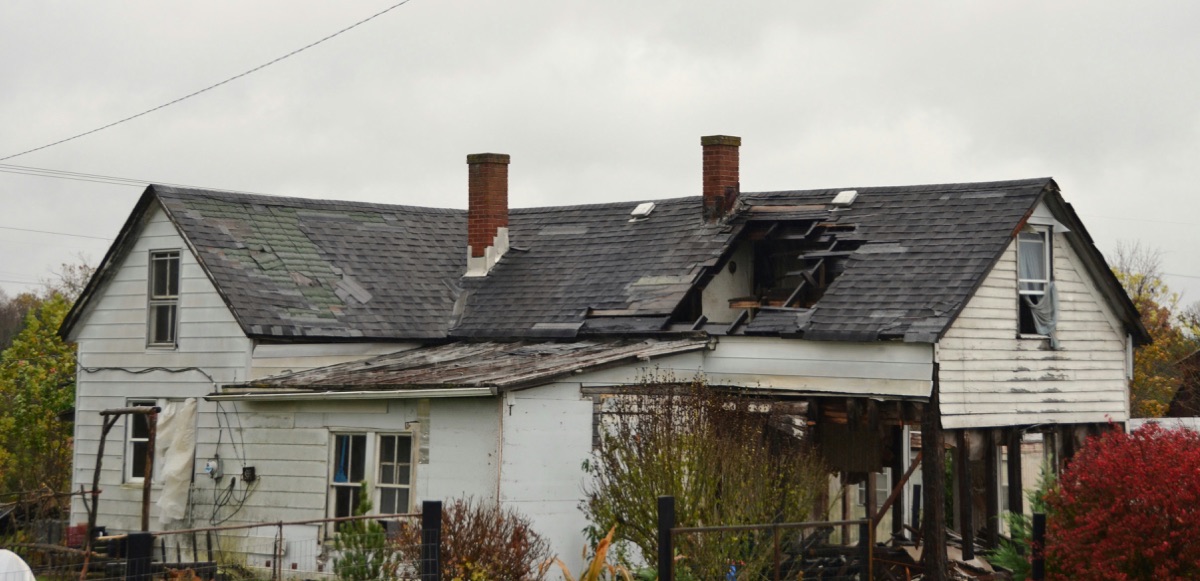
Storm Damage Roof Repair in Myrtle Beach: Complete 2026 Guide
Expert guide to storm damage roof repair in Myrtle Beach, SC. Learn what to do after hurricane, hail, or wind damage. 5.0-rated contractor. Call (843) 877-5539.

Wind Damaged Roof: How to Identify, Document & Repair Wind Damage (2025)
How to identify wind damage on your roof: signs of lifted shingles, exposed decking, and structural damage. Learn documentation for insurance claims, repair vs replacement decisions, costs, and what wind speeds cause roof damage. Expert guide.