5 Signs You Need a New Roof in Myrtle Beach (Coastal Warning Signs)
Shocking Industry Truth
Living within miles of the Atlantic Ocean means your roof ages faster than you think. National roofing guides say asphalt shingles last 20 to 30 years. In Myrtle Beach, that number drops to 12 to 18 years for standard three-tab shingles and 15 to 22 years for architectural shingles. Salt air, relentless UV exposure, humidity that rarely drops below 70 percent, and annual hurricane threats combine to shorten your roof's life by roughly 40 percent compared to an identical roof in Columbia or Charlotte.
That gap matters because most homeowners do not realize their roof is failing until damage is already expensive. The five warning signs below are the ones we see most often during free roof inspections across Myrtle Beach, North Myrtle Beach, Surfside Beach, and Conway. Each sign is explained through the lens of coastal South Carolina — because what counts as "normal wear" in the Midwest is often a red flag here.
If you have already read our broader signs you need a new roof overview, this guide goes deeper on the coastal angle. We will also cover three bonus warning signs that are unique to homes near the ocean — issues that most national roofing guides miss entirely.
Free Coastal Roof Inspection
WeatherShield Roofing is rated 5.0 stars on Google with 82+ reviews. We offer free, no-obligation roof inspections that include photo documentation and a written condition report. If you spot any of the signs below, call (843) 877-5539 to schedule yours.
Ready to Protect Your Investment?
Schedule your free roof inspection today. No obligations, just peace of mind.
Sign 1: Your Shingles Are Curling, Cracking, or Missing Granules
Damaged shingles are the most visible sign that your roof is failing. You can often spot this from the ground or from a second-story window across the street. There are two main types of shingle curling to watch for:
- Cupping: The edges of the shingle turn upward while the center stays flat. This creates channels where wind-driven rain funnels directly under the shingle.
- Clawing: The center of the shingle rises while the edges stay flat. This is often caused by heat cycling and moisture absorption in the shingle mat.
- Cracking: Horizontal or vertical fractures in the shingle surface. Cracked shingles are brittle and can break apart in moderate wind events.
- Granule loss: Dark, bare patches on the shingle surface where the protective granule coating has worn away. Check your gutters and downspout splash blocks — heavy accumulation of dark, sand-like granules is a telltale sign.
Why This Is Worse in Myrtle Beach
Salt air is the silent accelerator. Airborne salt particles carried by coastal winds land on your shingles and do three things simultaneously. First, salt is hygroscopic — it attracts and holds moisture against the shingle surface, which softens the asphalt binder that holds granules in place. Second, salt crystals expand and contract as humidity fluctuates, creating micro-fractures in the shingle surface over time. Third, salt corrodes the metal in roofing nails, flashing, and clips, weakening the fastening system even when the shingles themselves look acceptable from the ground.
Myrtle Beach also sits in one of the highest UV exposure zones on the East Coast. UV radiation breaks down the chemical bonds in asphalt shingles. Once the protective granule layer thins — accelerated by salt — the exposed asphalt degrades exponentially faster. Shingles that might last 25 years in a shaded neighborhood in Greenville can show severe curling and cracking within 12 to 15 years on an ocean-facing roof in Garden City Beach.
Homes within one mile of the ocean experience the most aggressive shingle degradation. But even homes in Conway and Carolina Forest — 10 to 15 miles inland — are exposed to enough salt-laden air during onshore wind events to accelerate aging beyond national averages. Our guide to why Myrtle Beach roofs age faster breaks down the science in detail.
What to Do About It
- Isolated damage (1 to 5 shingles): A targeted repair may be sufficient, especially if the rest of the roof is in good condition and under 10 years old.
- Widespread curling or cracking across multiple roof sections: This typically indicates the entire shingle system is nearing end of life. Replacement is likely more cost-effective than repeated repairs.
- Heavy granule loss: If you are finding significant granule accumulation in gutters or at the base of downspouts, your shingles have lost their primary UV protection. In coastal SC, a roof with heavy granule loss has one to three years of effective life remaining.
- After any named storm: Check your roof (or have it checked) after every tropical storm or hurricane event during June through November. Wind can lift compromised shingles even in tropical storm conditions well below hurricane force.
Use our shingle roof inspection checklist for a step-by-step walkthrough of what to look for.
Sign 2: Your Roof Is 12 to Years of Expertise Old in Coastal South Carolina
Roof age is the most reliable predictor of whether you need a replacement — but only if you use coastal timelines, not national ones. The 20-to-30-year lifespan you see in manufacturer warranties and national roofing guides assumes moderate climate conditions. Myrtle Beach conditions are anything but moderate.
Coastal vs. National Lifespan Comparison
| Roofing Material | National Average | Myrtle Beach Average | Difference |
|---|---|---|---|
| 3-Tab Asphalt Shingles | 20-25 years | 12-18 years | 30-40% shorter |
| Architectural Shingles | 25-30 years | 15-22 years | 25-35% shorter |
| Metal Roofing | 40-70 years | 30-50 years | 20-30% shorter |
| Tile or Slate | 50-100 years | 40-75 years | 15-25% shorter |
These are not worst-case numbers. They are what we consistently see during inspections across Horry County. A three-tab roof installed in 2010 on a Surfside Beach home is, in 2026, a 16-year-old roof — and in most cases, it is already at or past the end of its effective coastal lifespan. The same roof installed in 2010 on a home in Spartanburg would still have 5 to 10 good years left.
For a full breakdown of how coastal conditions affect every roofing material, read our roof lifespan in coastal climates guide.
Why Age Matters Even Without Visible Damage
An aging coastal roof can look passable from the ground while hiding serious problems underneath. The underlayment — the waterproof barrier between your shingles and roof deck — degrades with heat and moisture exposure. In Myrtle Beach, attic temperatures regularly exceed 140 degrees Fahrenheit in summer, which bakes the underlayment from below while UV and salt work on it from above. By the time shingles show obvious damage, the underlayment may already be compromised.
Decking (the plywood or OSB beneath the underlayment) is also vulnerable. Coastal humidity drives moisture through the roof system from both directions. We routinely find soft, delaminating decking on roofs where the shingles still looked "okay" from the street. Our guide to when to replace your roof in Myrtle Beach covers these hidden failure points.
What to Do About It
- Check your installation records. Your home inspection report from purchase, building permits from Horry County, or your original roofing contract should have the installation date.
- If your roof is 10+ years old in coastal Myrtle Beach: Begin scheduling annual professional inspections to track degradation.
- If your roof is 15+ years old: Start budgeting for replacement within the next one to three years. Do not wait for a visible failure — by then, you may also be dealing with water damage, mold, or insurance complications.
- Consider upgrading to metal: If you are replacing an aging asphalt roof, a standing seam metal roof lasts two to three times longer in coastal conditions and handles salt air and hurricane-force winds significantly better.
Sign 3: You Can See Daylight or Dark Spots in Your Attic
If you can see light coming through your roof deck when you look up in your attic, your roof has holes. It sounds obvious, but many homeowners never go into their attic. And even small pinpoints of daylight mean that water — and everything it brings with it — has a direct path into your home.
What to Look For
- Daylight through the roof deck: Turn off the attic light and look up. Any visible light coming through the boards means the shingles, underlayment, or both have failed at that point.
- Dark spots or staining on the underside of the deck: These indicate past or active water intrusion. Even if the spot feels dry today, the damage pattern tells you water has been getting in.
- Wet insulation: Press on the insulation between rafters. If it feels damp, heavy, or compacted, moisture is entering from above. Wet fiberglass insulation loses roughly 50 percent of its R-value, which directly increases your energy costs.
- Mold or mildew: Any visible mold — black, green, or white fuzzy growth on wood surfaces — is a serious concern that indicates sustained moisture exposure.
- Sagging or warped decking: Press on the plywood between rafters. It should feel solid and firm. If it gives under moderate hand pressure, the wood has absorbed moisture and is beginning to delaminate.
Why This Is Worse in Myrtle Beach
Myrtle Beach averages above 75 percent relative humidity for most of the year. At that humidity level, mold can begin colonizing damp wood surfaces in as little as 24 to 48 hours. Compare that to a dry climate like Denver, where low humidity gives homeowners significantly more time to catch and address a leak before secondary damage develops.
Coastal storms also drive rain at angles that normal rainfall does not. During a tropical storm or nor'easter, wind-driven rain can enter through flashing joints, vent boots, and roof-to-wall transitions that stay completely dry during vertical rainfall. This means a roof leak that only shows up during storms may go unnoticed for months or years between events — and each time it leaks, the moisture feeds mold growth and wood decay in your attic.
The combination of constant high humidity and intermittent storm-driven leaks makes attic moisture problems far more aggressive in Myrtle Beach than inland areas. A small leak that might cause a cosmetic ceiling stain in Charlotte can cause structural wood rot and mold remediation in Myrtle Beach within a single season.
What to Do About It
- Check your attic after every heavy rain or storm event. Do not wait for stains to appear on your ceiling — by the time water reaches the living space, it has already caused significant damage in the attic.
- One isolated dark spot with no active moisture: May indicate a past issue that has been resolved or a minor flashing failure. A professional inspection can determine if a targeted repair is sufficient.
- Multiple dark spots, active moisture, or any mold: This typically indicates systemic failure. The roof is no longer keeping water out, and replacement should be seriously considered — especially if the roof is approaching the coastal age thresholds discussed in Sign 2.
- Document everything with dated photos. If you need to file an insurance claim, photo documentation with timestamps is essential. Our roof repair vs. replacement guide helps you understand when damage crosses the line from repairable to replaceable.
Safety Warning
Attic inspection should be done carefully. Watch your footing — step only on joists or solid walkboards, never on insulation or drywall between joists. If you see extensive mold, exit the attic and call a professional. Mold exposure can cause respiratory problems, especially in enclosed spaces like attics.
Sign 4: Your Energy Bills Keep Climbing Every Summer
Rising energy bills — especially during Myrtle Beach summers — can be a sign that your roof is failing in ways you cannot see from the ground. Your roof does more than keep rain out. It is your home's primary thermal barrier, and when it starts to fail, your HVAC system pays the price.
How a Failing Roof Drives Up Energy Costs
There are three ways a deteriorating roof increases your energy bills:
- Lost granules expose dark asphalt: Shingle granules reflect a significant portion of solar radiation. Once granules are gone, the exposed dark asphalt absorbs heat instead of reflecting it. Attic temperatures in Myrtle Beach regularly exceed 140 to 160 degrees Fahrenheit in summer — but a roof with heavy granule loss can push attic temperatures even higher, forcing your air conditioning to work harder and longer.
- Compromised insulation: When water enters the attic through a failing roof — even small amounts — it saturates insulation. Wet fiberglass insulation loses about half its insulating value. In a climate where your AC runs six to eight months per year, that lost insulation translates directly into higher electricity bills.
- Ventilation failures: A roof system includes intake vents (soffit) and exhaust vents (ridge or box vents). When shingles deteriorate or decking warps from moisture, it can alter airflow patterns and reduce ventilation effectiveness. Poor attic ventilation traps superheated air, which radiates heat into your living space through the ceiling.
Why This Is Worse in Myrtle Beach
Myrtle Beach has one of the longest cooling seasons on the East Coast. Air conditioning runs from April through October — and in many years, well into November. That is six to eight months where your roof's thermal performance directly affects your energy costs every single day.
The combination of extreme attic heat and coastal humidity creates a particularly punishing cycle. High humidity means your AC is not just cooling the air — it is also removing moisture, which requires additional energy. A failing roof that lets humid outside air into the attic space compounds this problem. The result is an AC system running nearly continuously during July and August, with electric bills that climb noticeably year over year even when rates stay flat.
If your summer electric bills have increased more than 15 to 20 percent over the past two to three years — and you have not added square footage or new appliances — your roof's thermal performance should be investigated.
What to Do About It
- Compare your electric bills year over year. Your power company should provide historical usage data. Look for a trend of increasing summer consumption.
- Check your attic temperature. On a 90-degree day, a well-functioning attic should not exceed 120 to 130 degrees. If your attic is hitting 150 to 160 or higher, the roof system is not performing properly.
- Have your insulation inspected. If insulation is damp, compressed, or uneven, it may be caused by roof leaks you have not noticed yet.
- Consider a roof upgrade with better reflectivity. When replacing, choose shingles with higher solar reflectance ratings. ENERGY STAR-rated roofing materials can reduce roof surface temperature by up to 100 degrees, significantly cutting cooling costs in Myrtle Beach summers.
- Evaluate ventilation during your inspection. Proper attic ventilation is critical in coastal SC. Ask your roofer to assess whether your ventilation meets current code requirements.
Sign 5: Your Insurance Company Sent a Roof Age Warning Letter
If your homeowners insurance company has sent you a letter about your roof — a non-renewal notice, a coverage change, or a request for inspection — treat it as seriously as any physical sign of roof damage. In many cases, it is even more urgent because it comes with a deadline.
What These Insurance Notices Look Like
Insurance companies in coastal South Carolina are increasingly using roof age and condition as primary underwriting criteria. Here are the most common notices Myrtle Beach homeowners receive:
- Non-renewal notice: Your carrier is choosing not to renew your policy at the next renewal date. This does not mean you did anything wrong — it means your roof has exceeded their risk threshold. You typically receive 60 to 90 days notice.
- Coverage change notice: Your carrier is shifting your roof coverage from Replacement Cost Value (RCV) to Actual Cash Value (ACV). This means they will depreciate your roof's value based on age, potentially paying only a fraction of replacement cost if you file a claim. Our insurance coverage cliff guide explains the financial impact in detail.
- Inspection requirement: Your carrier is requiring a roof inspection as a condition of continued coverage. If the inspection reveals problems, your policy may be modified or non-renewed.
- Premium increase tied to roof condition: A significant premium increase (15 percent or more) at renewal often signals that your carrier has reassessed your roof's risk profile.
The Silent Policy Shift: RCV to ACV
The most dangerous change is also the quietest one. Many carriers do not send an obvious warning when they shift your roof coverage from RCV to ACV. The change may appear as a single line item on your renewal declarations page — easy to miss if you are not looking for it.
The difference can be devastating. Under RCV, your insurance pays to replace your roof at current costs minus your deductible. Under ACV, they depreciate the roof based on age and pay only the remaining "actual cash value." For a 15-year-old roof, that depreciation can mean your insurance pays 40 to 50 percent of what a replacement actually costs. You are responsible for the gap — which can amount to thousands of dollars.
Why This Is Happening in Myrtle Beach
South Carolina's coast is one of the highest-risk areas in the country for wind and hail claims. After several active hurricane seasons and rising reinsurance costs, carriers are aggressively managing their coastal exposure. Roof age is the simplest metric they use to assess risk and limit payouts. Homes in Horry County, Georgetown County, and Brunswick County face some of the strictest age-based underwriting in the Southeast.
This is not just affecting old roofs. We are seeing coverage changes and premium increases on roofs as young as 10 to 12 years old in the highest-wind-zone areas closest to the ocean.
What to Do About It
- Read every piece of mail from your insurance company. Do not assume renewal notices are routine. Check your declarations page for any changes to roof coverage, deductibles, or endorsements.
- Call your agent and ask directly: "Is my roof covered at Replacement Cost Value or Actual Cash Value?" Get the answer in writing.
- If you received a non-renewal notice: You have a limited window to either replace your roof (which may allow the carrier to continue coverage) or find a new carrier. Do not wait until the last week.
- A new roof resets the clock: Replacing your roof immediately changes your insurance profile. Most carriers will write full RCV coverage on a new roof, and a new roof often qualifies for premium discounts.
- Consider FORTIFIED certification: An IBHS FORTIFIED-designated roof can qualify for additional premium reductions of 15 to 30 percent on wind and hurricane coverage — on top of the savings from having a new roof.
For a complete walkthrough of the insurance landscape for coastal homeowners, read our insurance coverage cliff guide.
Do Not Ignore Insurance Mail
A non-renewal notice is not a suggestion — it is a countdown. If you lose coverage and cannot find a replacement carrier, you may be forced into the surplus lines market where premiums are significantly higher and coverage is often more limited. If you have a mortgage, your lender requires continuous insurance. Losing coverage can trigger force-placed insurance at even higher rates. Act immediately.
Bonus: 3 Coastal-Specific Warning Signs Most Guides Miss
The five signs above apply everywhere, but they hit harder at the coast. The three warning signs below are different — they are specific to coastal and near-coastal homes, and most national roofing guides do not mention them at all. If you live in Myrtle Beach, North Myrtle Beach, Surfside Beach, Pawleys Island, Litchfield, or even inland communities like Conway and Carolina Forest, these are worth checking.
Coastal Sign 1: Salt-Corroded Flashing
Flashing is the thin metal (usually aluminum or galvanized steel) installed at every joint, transition, and penetration on your roof — around chimneys, vents, skylights, dormers, and where the roof meets a wall. Flashing is your roof's second line of defense after shingles, and it is the component most vulnerable to salt air corrosion.
Salt particles accelerate the oxidation of metal flashing. Galvanized steel flashing can show significant corrosion within 8 to 12 years in coastal environments — well before the shingles themselves show obvious wear. Corroded flashing develops pinholes, lifts from its sealed position, and allows water to enter at the most vulnerable points of your roof system.
From the ground, look for: white or reddish-brown staining running down from flashing locations, visible gaps where flashing has pulled away from surfaces, or any flashing that appears wavy, buckled, or pitted.
Coastal Sign 2: Rust Streaks on or Below Metal Components
Rust streaks running down your shingles, fascia, or siding are a visible indicator that metal components on your roof are corroding. The sources include:
- Vent boots and pipe collars: The metal and rubber components around plumbing vents and exhaust pipes are highly exposed and often the first metal to corrode on a coastal roof.
- Roofing nails: Exposed nail heads (from lifted or missing shingles) or nails that have backed out due to thermal cycling will rust. The rust stains the surrounding shingles and tells you the fastening system is compromised.
- Drip edge: The metal strip along the eaves and rakes of your roof protects the underlying wood. When drip edge corrodes through, water wicks behind the fascia board and causes wood rot that is invisible from the ground.
- Valley metal: If your roof has open metal valleys, salt corrosion can eat through the valley metal and create leaks at the exact points where water volume is highest during rain events.
Any visible rust on your roof is a warning sign that should prompt a professional inspection. The metal you can see rusting from the ground is usually a fraction of the corrosion happening underneath the shingles.
Coastal Sign 3: Soft Spots Near Roof Penetrations
Roof penetrations — where pipes, vents, HVAC units, satellite dishes, or any other object passes through the roof surface — are the highest-risk failure points on any roof. In coastal climates, these failure points are even more vulnerable because:
- Sealant around penetrations degrades faster in UV and salt exposure
- Rubber boots on pipe penetrations crack and split from UV and ozone exposure, often within 8 to 10 years
- Wind-driven rain during coastal storms enters at angles that overwhelm normal water shedding around penetrations
- The wood decking immediately around penetrations is the most likely area to absorb moisture and begin rotting
You typically cannot see soft spots from the ground. This is one of the primary reasons a professional roof inspection is essential for coastal homes. During an inspection, an experienced roofer will check the decking around every penetration for signs of softness, which indicates hidden water damage and wood decay.
These Signs Require Professional Inspection
All three of these coastal-specific warning signs are difficult to fully assess from the ground. Salt-corroded flashing, hidden rust, and soft spots near penetrations require a trained eye and hands-on evaluation. WeatherShield's free roof inspection covers all of these coastal failure points. Call (843) 877-5539 to schedule.
What to Do If You Notice Any of These Signs
Spotting a warning sign is the first step. What you do next determines whether you address the problem on your terms — or on the roof's terms during the next storm. Here is a practical action plan for Myrtle Beach homeowners.
Step 1: Document Everything
Before you call anyone, take photos. Use your phone to photograph every concern you have noticed — curling shingles, granules in gutters, ceiling stains, rust streaks, anything. Include wide shots that show the overall roof and close-ups of specific damage. Make sure your phone's date and location stamps are enabled. This documentation is valuable for insurance claims and for establishing a timeline of deterioration.
Step 2: Schedule a Professional Roof Inspection
A professional inspection is not a sales pitch — it is a diagnostic evaluation. A reputable roofer will get on the roof, check every surface and component, photograph the findings, and provide a written report that includes a clear recommendation: repair, monitor, or replace.
WeatherShield Roofing provides free, no-obligation roof inspections throughout the Myrtle Beach area. Our inspection includes photo documentation you can use for insurance purposes and a written condition report. Call (843) 877-5539 to schedule.
Step 3: Get the Repair vs. Replace Assessment
Not every problem requires a full replacement. A good roofer will tell you honestly whether a repair can extend your roof's life or whether replacement is the more cost-effective path. The key factors in that decision include:
- Roof age relative to coastal lifespan expectations
- Whether damage is isolated or widespread
- Condition of underlayment and decking
- Insurance coverage status (RCV vs. ACV)
- Whether SC building code triggers a full replacement (if more than 25 percent of the roof is being replaced, full current code compliance may be required)
Read our detailed roof repair vs. replacement guide for help evaluating your specific situation.
Step 4: Check Your Insurance Before You Decide
Before committing to a repair or replacement, understand your insurance situation. Call your agent and confirm whether your roof is covered at RCV or ACV. If your carrier has already shifted to ACV, a proactive replacement before a claim event may actually be financially smarter than waiting for storm damage — because a claim on an ACV policy will leave you with a significant out-of-pocket gap.
Step 5: Time It Right
In Myrtle Beach, the best time to replace a roof is spring (March through May) or fall (October through November). Spring gets your new roof in place before hurricane season starts on June 1. Fall takes advantage of cooler temperatures after the summer heat, which is better for shingle installation and sealant activation.
Avoid scheduling a replacement during peak hurricane season (June through September) if possible. Contractor availability becomes extremely limited after any named storm, and you may face delays that leave your home exposed.
Ready to Get Your Roof Assessed?
WeatherShield Roofing serves Myrtle Beach, North Myrtle Beach, Surfside Beach, Conway, Carolina Forest, Pawleys Island, and the entire Grand Strand. Our free inspections include detailed photo reports and honest repair-or-replace recommendations. We are 5.0-star rated on Google with 82+ reviews. Call (843) 877-5539 today.
The Cost Comparison: Maintenance vs. Neglect
Without Maintenance
- Roof lifespan: 12-15 years
- Insurance claims often denied
- Emergency repairs cost 3x more
- Property value decreases by 5-10%
- Warranty becomes void
- Total 20-year cost: $382
With Regular Maintenance
- Roof lifespan: 25-30+ years
- Insurance claims approved
- Prevent costly emergencies
- Property value protected
- Full warranty coverage maintained
- Total 20-year cost: $8,000-10,000
Need a roofer?
Call (843) 877-5539 for a free estimateNeed Professional Help?
WeatherShield Roofing is Myrtle Beach's highest-rated roofing company with a perfect 5.0-star Google rating. We can help with any roofing need:
Frequently Asked Questions
About the Author
David Karimi
Owner & Licensed Roofing Contractor
David Karimi is the owner of WeatherShield Roofing with extensive experience in residential and commercial roofing in Myrtle Beach, SC. A Licensed Roofing Contractor specializing in coastal roof systems, David has inspected thousands of roofs across Horry County and understands how salt air, humidity, and hurricanes accelerate roof aging in ways that national guides simply do not cover. He holds GAF Certified Plus™ certification and is certified in IBHS FORTIFIED Home construction.
The Bottom Line: Your Roof, Your Choice
Every day you wait is another day closer to that emergency call no homeowner wants to make. The statistics are clear: 80% of roofs fail prematurely, and 61% of homeowners can't afford the emergency repairs that follow.
What You Get with Weather Shield Roofing:
Don't Wait Until It's Too Late
Join thousands of smart Myrtle Beach homeowners who protect their investment with regular maintenance.
Emergency? Call our 24/7 hotline: (843) 877-5539
Our Roofing Services
Serving the Grand Strand
Weather Shield Roofing proudly serves homeowners across the Grand Strand and surrounding communities. Find your local roofing experts:
Related Articles
Pictures of Roofs That Need to Be Replaced: Myrtle Beach Visual Guide (2026)
Pictures of roofs that need replacing in Myrtle Beach: 15 real damage signs from curling shingles to hurricane wind uplift. Coastal SC repair vs. replace guide with insurance tips. Call (843) 877-5539.
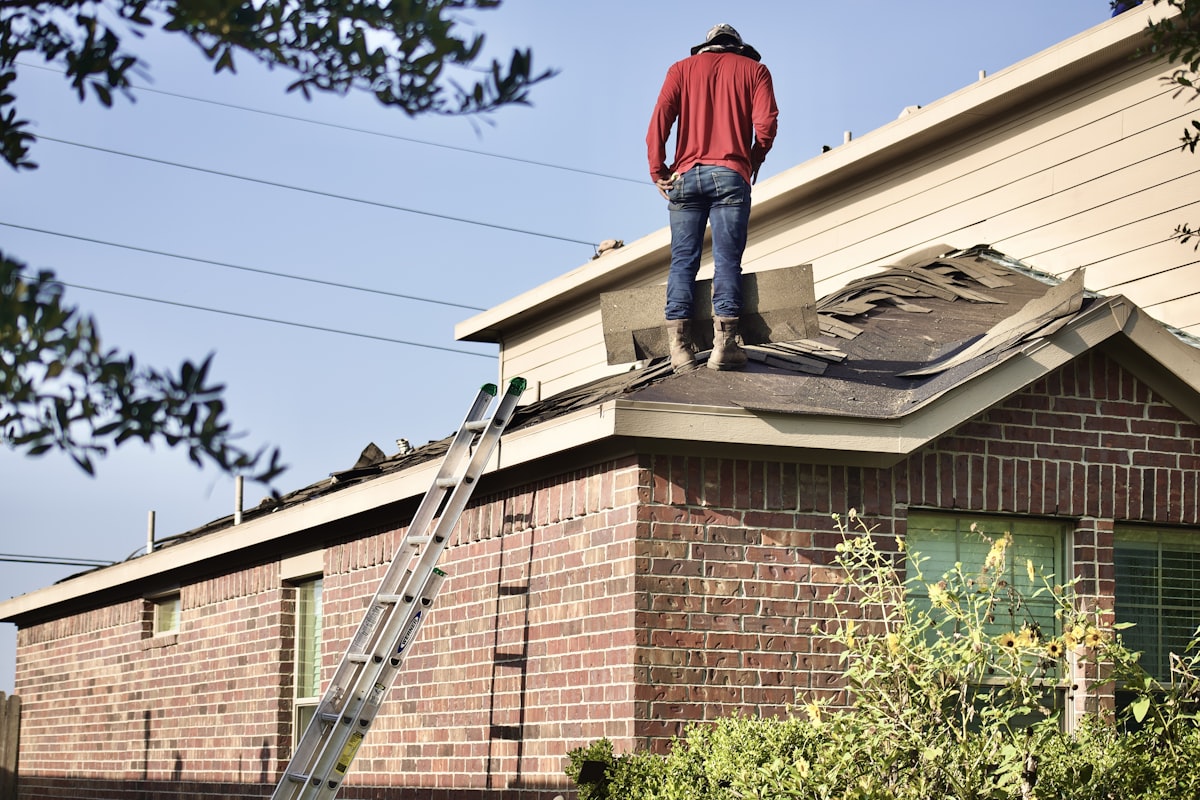
How Often Should You Replace Roof Shingles in Coastal SC?
How often should you replace roof shingles in coastal SC? Shingles fail 30-40% faster in Myrtle Beach. Expert replacement timelines by material, coastal aging factors, SC insurance thresholds & when to act. Call (843) 877-5539.

How to Finance a New Roof in Myrtle Beach: 2026 Guide
Explore roof financing options: contractor financing, home equity loans, personal loans, and the SC Safe Home Grant. Complete guide from 5.0-star roofers.